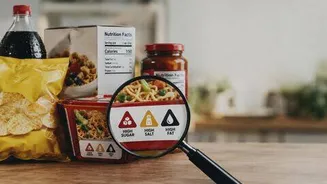







What are Front-of-Pack Labels?
For years, the nutritional information on packaged foods has been tucked away on the back in a small, often confusing table. The Food Safety and Standards Authority of India (FSSAI) is looking to change that with Front-of-Pack Labelling, or FOPL. The goal
is simple: to provide clear, easy-to-understand information on the front of the package, helping you see key nutritional details at a glance. This initiative is part of a global push to help consumers make healthier choices and combat the rise of non-communicable diseases like obesity and diabetes.
From Stars to Warnings: The Big Shift
The debate over these new labels has been going on for over a decade. Initially, FSSAI proposed a 'Health Star Rating' (HSR) system, similar to what's used in Australia. This model would have assigned a rating from half a star to five stars based on a product's overall nutritional profile—factoring in both negative nutrients like sugar and fat, and positive ones like protein and fibre. However, public health experts and consumer groups strongly opposed this idea. They argued that star ratings could create a misleading 'health halo', making some junk foods appear healthier than they are just because they contain added fibre or protein.
The Current Proposal: Red Warning Labels
Following criticism and intervention from the Supreme Court, the FSSAI has shifted its approach. The latest proposal, which is now under review, involves mandatory warning labels. Specifically, a red hexagonal symbol would be placed on the front of products high in salt, added sugar, or added fat. In a significant change from earlier drafts, this warning would be triggered if even one of these nutrients crosses the prescribed threshold. The FSSAI has told the Supreme Court it now supports this single-phase rollout. Products containing non-caloric sweeteners would also get a specific front-of-pack declaration.
The Arguments for Warning Labels
Public health advocates are championing the warning label model, citing its success in countries like Chile. They argue that a direct, unambiguous warning is the most effective way to inform consumers, especially those with limited literacy or time to compare products. A simple stop sign-like symbol clearly communicates risk without complex calculations. Health groups believe this system empowers consumers to make genuinely informed choices and encourages the food industry to reformulate products to be healthier. The Supreme Court has also emphasized that this issue relates to the fundamental right to health.
Industry Concerns and Counterarguments
The food industry has raised several concerns about the proposed warning labels. Some industry bodies have argued that the proposed thresholds for salt, sugar, and fat are too strict compared to international standards. There are also worries that a red warning symbol could be confused by consumers with the existing red dot for non-vegetarian food, although the current mark for that is brown. Food processors have also pushed back on the implementation timeline, asking for more time to comply with the new rules, a request the Supreme Court has questioned.
What Happens Next?
The Supreme Court has reserved its final order on the matter after questioning the FSSAI's proposed timelines and urging the regulator to implement the final rules in their "true spirit" for the health of the nation. FSSAI has stated it would need about four months to finalize the regulations after a verdict, followed by a proposed one-year voluntary compliance period for the industry. This timeline has been a point of contention with the court. For now, consumers will have to wait for the final judgment, which will shape what they see on grocery store shelves in the near future.