







Understanding Gold Purity (Karats)
The most important factor in your gold's value is its purity, which is measured in karats (K). Pure gold is 24 karats, but it's too soft for most jewellery, so it's mixed with other metals (alloys) for durability. Indian jewellery is commonly made from
22K gold, which means it contains 22 parts pure gold and 2 parts alloy, making it 91.6% pure. You may also find 18K (75% pure) or 14K (58.3% pure) gold. The higher the karat, the more pure gold your item contains, and the more it is worth per gram. When you sell, buyers are only paying for the actual gold content, not the other metals. A BIS Hallmark stamp on the jewellery can instantly verify this purity for the buyer, often leading to a better and faster valuation.
The Critical Role of Accurate Weight
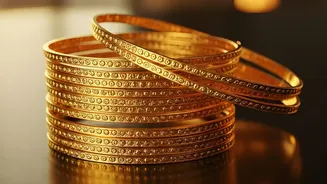
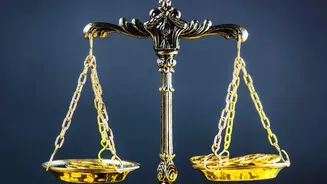
After purity, the next crucial factor is weight, measured in grams. The value of your gold is directly proportional to its weight. However, it's the net weight of the gold that matters. Jewellers will not include the weight of any embedded stones, beads, enamel, or internal wax (often found in traditional bangles) in the calculation. These non-gold elements are either removed or their estimated weight is deducted from the total. A reputable buyer will use a certified digital scale to weigh your gold accurately and should do so in front of you for complete transparency. Even small discrepancies in weight can significantly impact the final price, so ensuring an accurate measurement is key.
How the Final Value Is Calculated
The basic formula jewellers use is straightforward: Final Value = (Weight in Grams × Purity Percentage × Current Gold Rate per Gram) - Deductions. First, they determine the day's market rate for 24K gold. Then, they adjust this rate for the purity of your item. For example, the rate for 22K gold would be the 24K rate multiplied by 0.916 (since it's 91.6% pure). This purity-adjusted rate is then multiplied by the net weight of your gold in grams to get its base value. From this amount, the buyer will subtract certain charges. It’s important to remember this formula gives you the base value, not the final amount you will receive.
Understanding Common Deductions
The offer you receive will be less than the calculated market value because buyers apply deductions. You will not be refunded for the making charges or GST you paid when you originally bought the jewellery. Additionally, buyers deduct a percentage (typically 2-5%) to cover the cost of melting and refining the old gold into a pure, reusable form. Some jewellers may also call this a 'wastage' charge, which might be higher for non-hallmarked jewellery due to purity uncertainty. These deductions, which cover the buyer's processing costs and business margin, are a standard part of the old gold exchange process.
Tips for a Fair and Transparent Transaction
To ensure you get the best possible price, a little preparation goes a long way. Before visiting a buyer, check the day's live gold rate from a reliable source. If you have the original purchase invoice, bring it along as it can serve as proof of purity. It is always wise to get quotes from at least two or three different reputable dealers to compare offers. Ask each buyer for a clear, written breakdown of their calculation, showing the weight, purity assessment, gold rate applied, and all deductions. A transparent buyer will have no issue explaining their process. Dealing with established, reputable jewellers often provides more security than informal cash-for-gold outfits.