







More Than Just Pampering
For years, the word 'spa' conjured images of cucumber slices on eyes, quick facials, and a one-hour massage squeezed between errands. It was a luxury, a treat, a brief moment of pampering. But a quiet revolution is underway. Driven by a collective exhaustion
from endless Zoom calls, notification overload, and the mental weight of modern life, Indians are reimagining the purpose of a spa. It’s no longer just about looking good; it's about feeling whole. The new spa break is less about cosmetic enhancement and more about deep, intentional rest. The goal isn't a temporary glow, but a lasting reset for a frazzled nervous system. This shift reflects a broader cultural move towards proactive wellness and mental health, where activities once seen as indulgent are now being recognised as essential maintenance.
The Rise of Intentional Rest
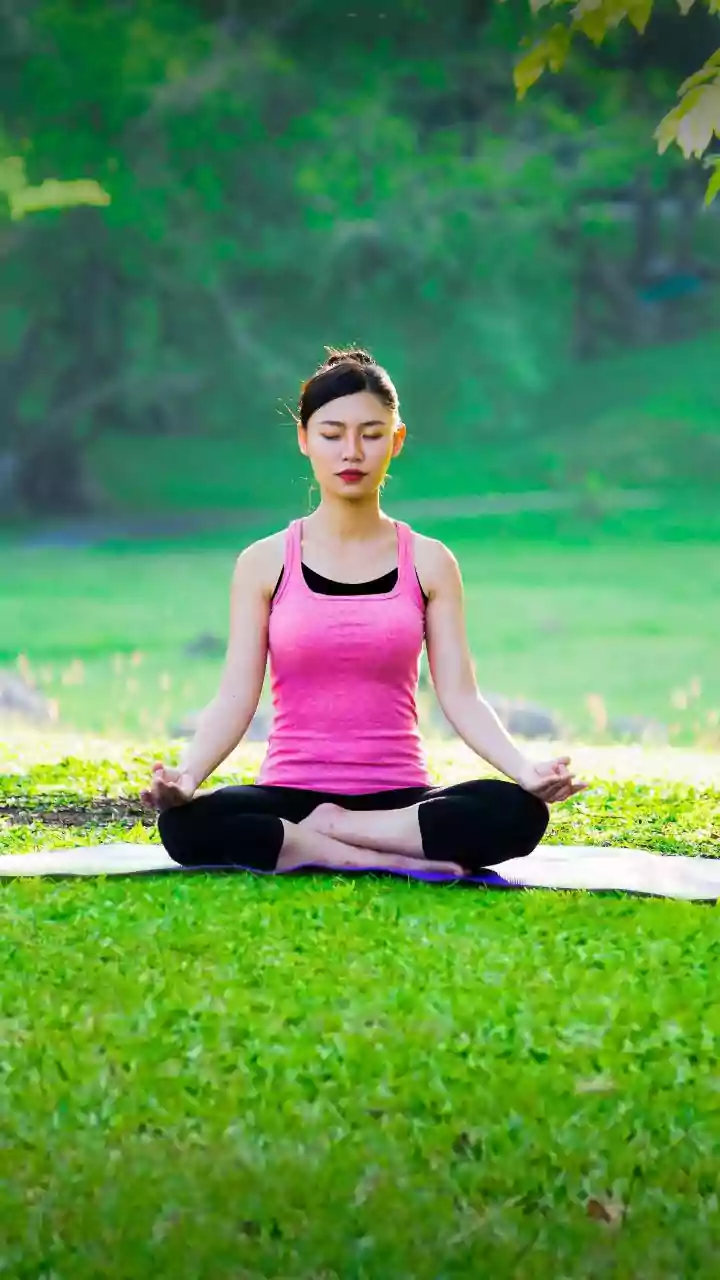
What makes a modern spa break different is its intention. Instead of a hurried appointment, people are seeking out immersive, multi-day experiences designed to combat specific stressors. Wellness resorts and even urban day spas are responding with curated programmes that go far beyond a standard treatment menu. Think less 'manicure' and more 'mindfulness'. The new itinerary might include guided meditation to quiet a racing mind, yoga sessions to release physical tension, and sound baths that use resonant frequencies to induce a state of deep relaxation. The focus is holistic, acknowledging the intricate link between mind and body. It’s a direct antidote to a culture that glorifies 'the hustle', offering a sanctuary where the only goal is to unplug, breathe, and just be.
What a Modern Escape Looks Like
The new spa break is highly personalised. In the hills of the Western Ghats or the serene backwaters of Kerala, wellness retreats are offering everything from digital detox packages, where your phone is locked away upon arrival, to programmes focused on improving sleep quality. These often involve consultations with Ayurvedic doctors or wellness coaches who tailor diets, treatments, and activities to your specific needs. You might find yourself on a guided nature walk, practicing 'forest bathing' (Shinrin-yoku) to lower cortisol levels, or learning breathwork techniques you can take back to your daily life. The food is also a central part of the experience, with menus designed to nourish and heal, rather than just to impress. The entire environment is engineered for calm, from the architecture and natural light to the ambient sounds and aromatherapy.
Finding Your Low-Stress Sanctuary
While week-long retreats at luxury resorts are a powerful way to reset, this trend is also becoming more accessible. Urban wellness centres are offering 'day retreats' that pack meditation, a therapeutic massage, and a healthy meal into a few hours. Many standalone spas now offer packages focused on digital fatigue, targeting neck and shoulder tension while creating a quiet, screen-free environment. You can even curate your own mini-escape at home. The principle remains the same: set a clear intention to disconnect. Turn off your phone, inform family and friends you'll be unavailable for a few hours, and create a sensory experience. Light a scented candle, play calming music, take a long bath with Epsom salts, and focus on your breath. The key is to shift from passive consumption of entertainment to active, intentional rest.