



From Waste to Wonder
Every time you squeeze an orange for fresh juice, you’re left with the peel. While it might seem like trash, the rind is packed with essential oils and intense citrus flavour. Transforming it into marmalade is a rewarding project that not only reduces
food waste but also connects you to a time-honoured tradition of preserving. It's a simple act of respect for the food we consume, turning something that is often discarded into a jar of sunshine. The process is easier than you might think and the result is a preserve with a flavour far more complex and satisfying than most store-bought varieties. Plus, you control the ingredients, meaning no strange preservatives or excessive sugars unless you want them.
Choosing Your Oranges
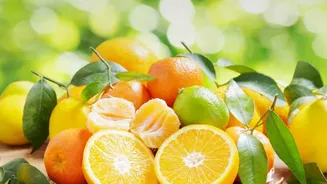
The first step to a great marmalade happens before you even start cooking. Since you're using the peel, it's crucial to select the right fruit. Opt for organic or unwaxed oranges whenever possible. Many commercially sold oranges are coated with a thin layer of wax to enhance their appearance and shelf life, which is not something you want to concentrate in your preserve. If you can't find organic, be sure to scrub your oranges thoroughly with warm water and a brush before using them. A soak in a solution of water and baking soda can also help clean the peels. Any type of orange will work, but sour varieties like Seville are traditional for their high pectin content, which helps the marmalade set naturally.
Taming the Bitterness
The main challenge in making marmalade from peels is managing the bitterness of the pith—the white layer between the rind and the fruit. A little bitterness is desirable for classic marmalade, but too much can be unpleasant. The secret is to blanch the peels. After slicing your peels into thin strips, place them in a pot, cover with water, bring to a boil, and let them cook for about 5-10 minutes. Drain the water and repeat the process one or two more times. This simple step leaches out the harshest bitter compounds while leaving behind the wonderful orange essence. Some recipes even suggest soaking the peels in cold water for up to 24 hours before cooking to achieve a milder flavour.
The Sweet Simmer
Once your peels are prepped, the magic begins. Combine your blanched peel strips in a large, heavy-bottomed pot with sugar and water. A general rule of thumb is to use equal parts by weight of citrus and sugar. Many recipes also call for the juice of a lemon, as its acidity and natural pectin are crucial for helping the marmalade to gel properly. Bring the mixture to a slow boil, stirring until the sugar completely dissolves. Then, reduce the heat and let it simmer, stirring occasionally to prevent sticking. The cooking time can range from 40 to 90 minutes. You'll know it's getting close when the mixture thickens and the peels become translucent.
Testing for the Perfect Set
How do you know when your marmalade is ready? The classic test involves a cold plate. Before you start cooking, place a small plate in your freezer. When you think the marmalade is done, spoon a small amount onto the cold plate and let it sit for a minute. Nudge the dollop with your finger; if the surface wrinkles, it’s ready. If it’s still runny, continue to cook for another 5-10 minutes and test again. This process requires a bit of patience, but it’s the most reliable way to ensure your marmalade will have the perfect spreadable consistency once it cools.
Jarring and Storing Your Creation
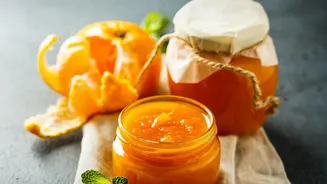
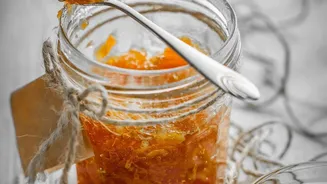
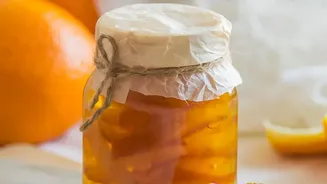
To ensure your hard work doesn't spoil, you need to store your marmalade in sterilized jars. Wash glass jars and lids in hot, soapy water, then rinse well. To sterilize them, you can place the jars in a cool oven set to around 140°C until you're ready to fill them. Carefully ladle the hot marmalade into the hot jars, leaving about a quarter-inch of headspace at the top. Wipe the rims clean, seal them tightly, and let them cool completely. If processed in a boiling water canner, the sealed jars can be stored in a cool, dark place for up to a year. Once opened, a jar should be kept in the refrigerator and enjoyed within a month.