







A Hydrating, Healthy Hero
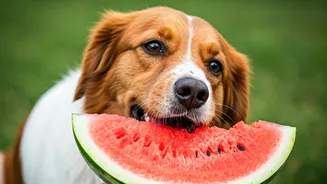
Before you share your snack, it's natural to ask: is watermelon actually good for dogs? The answer is a resounding yes, with a few important caveats. Watermelon is composed of about 92% water, making it a fantastic source of hydration on a hot day. This
high water content helps keep your dog's systems running smoothly and can aid in preventing overheating. Beyond hydration, this fruit is a low-calorie treat packed with beneficial nutrients. It’s a good source of vitamins A, B6, and C, as well as potassium, which is important for healthy muscle and nerve function. Unlike many processed dog treats, it's free from fat and cholesterol, making it a guilt-free option for a special reward.
Safety First: Seeds and Rind
The biggest safety concern with feeding watermelon to dogs lies in the parts we humans often discard: the seeds and the rind. Watermelon seeds, especially in large quantities, can cause an intestinal blockage, which is a serious and potentially fatal medical emergency. While one or two accidentally swallowed seeds may not harm a large dog, it’s a risk not worth taking. The tough, green rind is also a problem. It is difficult for dogs to digest and can lead to gastrointestinal upset, vomiting, or diarrhoea. Furthermore, large pieces of rind can pose a significant choking hazard. The golden rule is simple: only feed your dog the seedless, pink flesh of the fruit. Always opt for a seedless watermelon or take the time to diligently remove every single seed before preparing the treat.
The Perfect Frozen Treat Recipe
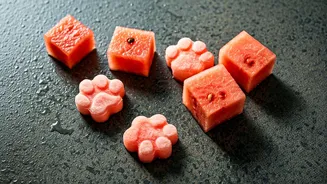
Making this refreshing treat couldn’t be easier. You only need one ingredient and a freezer. 1. **Select and Prep:** Start with a fresh, seedless watermelon. If you can’t find a seedless variety, carefully scoop out all the black and white seeds. Cut the watermelon flesh away from the green rind and discard the rind immediately. 2. **Slice or Cube:** Cut the watermelon flesh into bite-sized pieces appropriate for your dog. For small dogs, cubes of about half an inch are perfect. For larger dogs, you can use bigger chunks or even thin, one-inch-wide slices. The key is to make them easy for your dog to manage without creating a choking risk. 3. **Freeze:** Line a baking sheet or tray with parchment paper to prevent sticking. Arrange the watermelon pieces in a single layer, ensuring they don't touch. Place the tray in the freezer for at least four hours, or until the slices are completely frozen solid. Once frozen, you can transfer the pieces to a freezer-safe bag or container for easy storage. They’ll be ready to serve whenever your dog needs a cool-down.
How Much is Too Much?
While watermelon is healthy, moderation is key. Like most fruits, it contains natural sugars. For most healthy dogs, this isn't an issue in small amounts, but overconsumption can lead to an upset stomach or contribute to weight gain over time. For dogs with diabetes, it's crucial to consult your veterinarian before offering any fruit. As a general guideline, treats of any kind—including fruit—should not make up more than 10% of your dog’s total daily caloric intake. For a medium-sized dog, a few small frozen cubes are a perfectly adequate serving. Think of it as a special, occasional snack rather than a daily meal supplement.
Creative Twists and Alternatives
Want to mix things up? There are plenty of ways to get creative with this cooling treat. You can blend the seedless watermelon flesh (with a little water if needed) and pour the purée into ice cube trays for perfectly portioned 'pupsicles'. For an even richer treat, try blending watermelon with a dollop of plain, unsweetened yogurt. Just ensure the yogurt is completely free of xylitol, an artificial sweetener that is highly toxic to dogs. Other dog-safe fruits that freeze well include blueberries, strawberry slices, and small pieces of banana. These can be great alternatives to keep your pup's summer snacking interesting and safe.