


Sarson da Saag & Makki di Roti (Punjab)
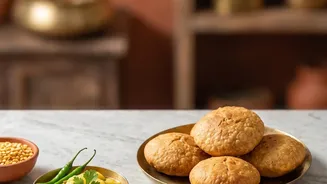
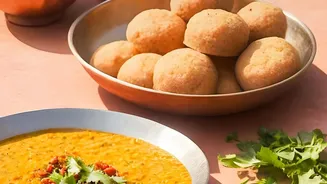
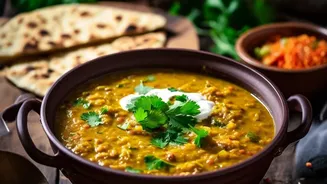
This iconic Punjabi duo is the undisputed king of winter meals in North India. Sarson da saag is a slow-cooked dish made from mustard greens (sarson), often blended with spinach (palak) or bathua to balance the sharp flavour of the mustard. The greens are
simmered for hours until they become creamy and tender, then tempered with ghee, onion, ginger, and garlic. It’s served with Makki di Roti, a rustic flatbread made from maize flour. For the home cook, the secret is patience—let the greens cook slowly to develop a deep, earthy flavour. A dollop of white butter on top is non-negotiable for an authentic experience.
Gajar ka Halwa (North India)
No Indian winter is complete without a warm bowl of Gajar ka Halwa. This classic dessert is especially popular when sweet, red Delhi carrots are in season. The dish involves slow-cooking grated carrots in milk until they soften and the milk reduces, creating a rich, creamy base. It's then sweetened with sugar and enriched with a generous amount of ghee, cardamom, and a variety of nuts like almonds and pistachios. Home cooks can easily prepare this dish, as it requires simple ingredients and primarily relies on the slow-cooking process to achieve its signature texture and taste.
Undhiyu (Gujarat)
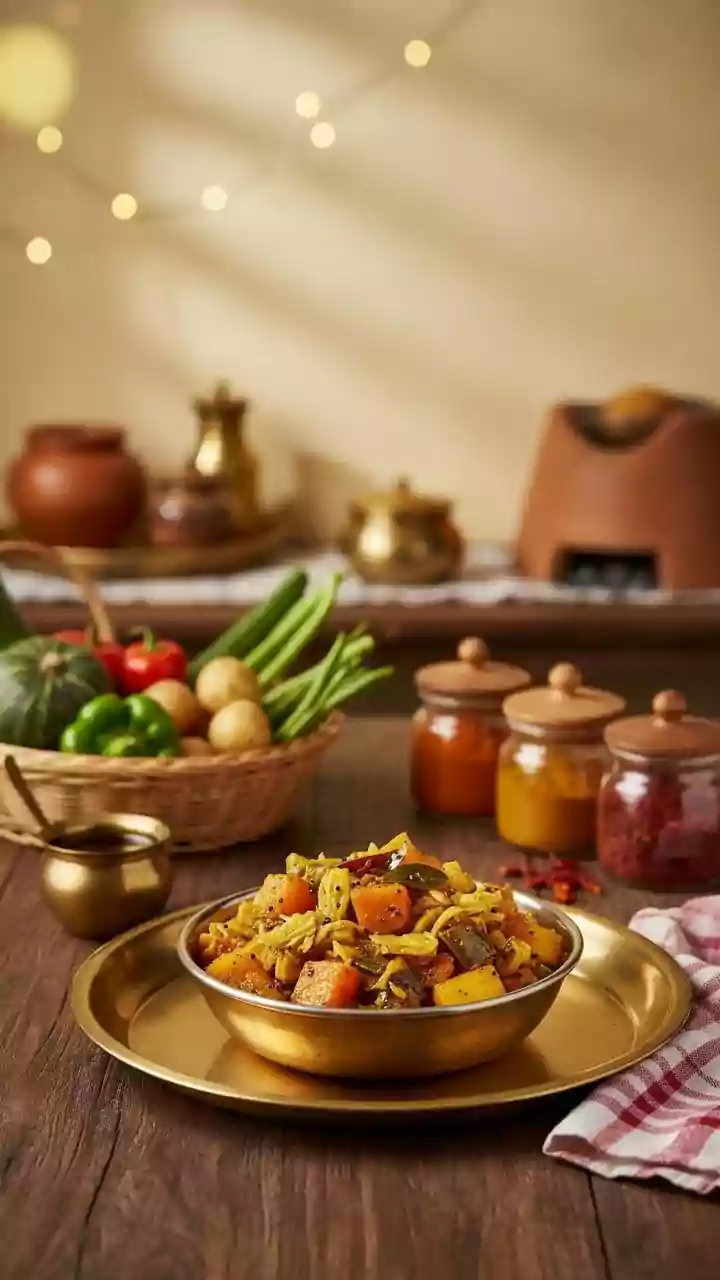
A celebrated winter specialty from Gujarat, Undhiyu is a complex, one-pot vegetable casserole. Its name comes from the Gujarati word 'undhu', meaning 'upside down', which refers to the traditional method of cooking it in sealed earthen pots buried underground. The dish is a medley of seasonal winter vegetables like surti papdi (hyacinth beans), purple yam, sweet potatoes, and baby eggplants. These are slow-cooked with a unique masala made from fresh coconut, coriander, and spices, along with methi muthia (fenugreek dumplings). For home cooks, using a heavy-bottomed pan or a pressure cooker can replicate the slow-cooked magic.
Nolen Gurer Payesh (Bengal)
Winter in Bengal is synonymous with the arrival of Nolen Gur, or fresh date palm jaggery. This seasonal ingredient is the star of Nolen Gurer Payesh, a fragrant and creamy rice pudding. Traditionally made with aromatic Gobindobhog rice, full-fat milk is slow-simmered until it thickens considerably. The Nolen Gur is added towards the end, lending the payesh a beautiful caramel colour and a unique, smoky sweetness that sugar cannot replicate. For those cooking at home, the key is to add the jaggery after turning off the heat to prevent the milk from curdling.
Gushtaba (Kashmir)
From the cold climes of Kashmir comes Gushtaba, a rich and royal dish often called the 'dish of kings'. It consists of large, tender mutton meatballs simmered in a flavourful and creamy yogurt-based gravy (yakhni). The meatballs are traditionally made by pounding the meat, which gives them a melt-in-your-mouth texture. The gravy is delicately spiced with fennel, dry ginger, and cardamom, making it warming but not fiery hot. This dish is the final course in a traditional Kashmiri feast, or Wazwan, signifying the end of the main meal. Home cooks can use minced meat for an easier but equally delicious version.
Thukpa (Himalayan Region)
Thukpa is a hearty noodle soup that is a staple in the Himalayan regions of India, including Ladakh, Sikkim, and Arunachal Pradesh, having originated in Tibet. It is the ultimate comfort food for cold weather, combining noodles in a flavourful broth with vegetables and a choice of protein like chicken or meat. The broth is the soul of the dish, typically seasoned with ginger, garlic, and local spices. It’s a versatile one-pot meal that home cooks can easily adapt based on the vegetables they have on hand. It provides both warmth and complete nourishment in a single bowl.
Bajra Raab (Rajasthan & Gujarat)
Raab is a traditional warm, porridge-like drink popular in Rajasthan and Gujarat, especially during winter. It is typically made from bajra (pearl millet) or wheat flour, ghee, jaggery, and warming spices like dry ginger powder (sonth) and carom seeds (ajwain). This nourishing drink is known for its immunity-boosting properties and is often given to fight off colds and coughs. It has a thick, soupy consistency and provides instant energy and warmth, making it an ideal winter beverage. For home cooks, it’s a simple, quick, and healthy recipe that requires just a handful of pantry staples.