







Choose Your Container Wisely
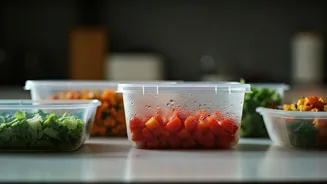
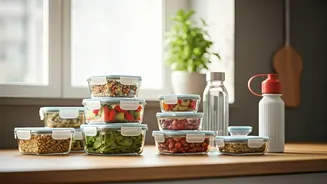
The foundation of a successful office meal is the container it travels in. Forget flimsy boxes that betray you. Invest in leak-proof, airtight containers. Glass options are fantastic as they don't retain stains or odours, and you can easily microwave
them. For those who enjoy a varied meal, a classic steel tiffin box or a modern bento-style container with multiple compartments is perfect. They keep your sabzi from fraternizing with your salad and enforce portion control. This simple choice prevents messy spills in your bag and in the shared office microwave, making you a considerate colleague from the outset.
Master the Art of Labelling
It seems simple, but its power is immense. Labelling your food is the first line of defense against accidental (or intentional) lunch theft. But don't just stop at your name. Adding the date is a pro move. It serves as a reminder to you and a clear signal to others about the food's freshness. This helps during the inevitable weekly fridge purge, ensuring your delicious homemade meal doesn’t get tossed out prematurely. Clear labels prevent confusion and show respect for the shared space. It's a small act that fosters a more organised and respectful kitchen environment for everyone.
Respect Refrigerator Real Estate
The office fridge is not your personal pantry. It’s a shared, limited resource. Be mindful of the space you occupy. Avoid bringing in oversized containers for a small portion of food. Pack only what you need for the day or the next. If you have a bulky item, try to place it at the back or bottom, leaving smaller, more accessible spots for others. An overpacked fridge obstructs airflow, which can lead to inconsistent cooling and faster spoilage. A little spatial awareness goes a long way in preventing fridge-related friction and ensures the appliance works effectively for all.
Prioritise Food Safety Always
Food safety doesn't stop at home. Perishable items like dairy, meat, and certain cooked dishes need to be kept cold to prevent bacterial growth. If your commute is long, consider packing your lunch in an insulated bag with a frozen gel pack. Once at the office, transfer it to the refrigerator immediately. When reheating, ensure the food is heated through to a safe temperature. Be especially careful with leftovers; a good rule is to consume them within a day or two. Discarding any food that looks or smells off is non-negotiable for your own health and the hygiene of the shared kitchen.
Clean As You Go, Always
This is the golden rule of any shared space. If your soup splatters in the microwave, wipe it down immediately. If you spill something on the counter or in the fridge, clean it up. Don't leave your used dabba or mug soaking in the sink, assuming someone else will get to it. This creates a mess and a breeding ground for germs. By cleaning up after yourself, you leave the space ready for the next person, contributing to a clean, pleasant, and hygienic environment that everyone can appreciate during their much-needed break.
Establish a Weekly Purge Policy
Even with the best intentions, the office fridge can quickly become a graveyard for forgotten foods. To combat this, advocate for a weekly fridge clean-out. A common practice is to have a policy where all unlabeled items or food past a certain date are discarded every Friday afternoon. A friendly reminder sent via email or a notice on the fridge can be very effective. This regular reset prevents mouldy science experiments from taking root and frees up valuable space for the week ahead, keeping the fridge from becoming a source of bad odours and stress.