





A Thread Through History
The story of handloom in India is as old as its civilization. Archaeological discoveries from the Indus Valley Civilization reveal evidence of cotton cultivation and weaving techniques dating back over 5,000 years. This makes it one of the oldest surviving
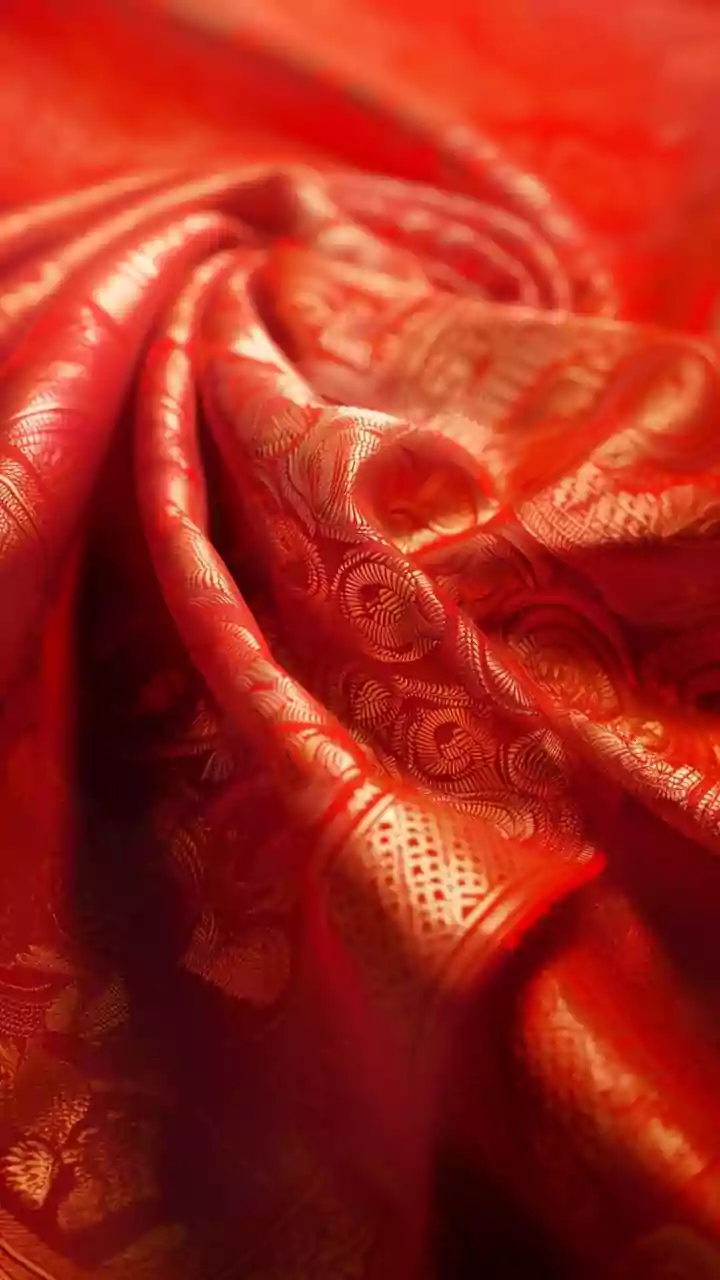
crafts in the world. Through the ages, it flourished under royal patronage, especially during the Mughal era, which gave rise to legendary textiles like Jamawar and Banarasi brocades. For centuries, Indian handwoven cloth was a coveted commodity, driving global trade and shaping economies. However, the arrival of British colonialism and the industrial revolution brought cheaper, machine-made textiles, which devastated local weavers. The craft found its voice again during the independence movement, when Mahatma Gandhi championed khadi—handspun and handwoven cloth—as a powerful symbol of self-reliance and national pride.
The Soul of the Weaver
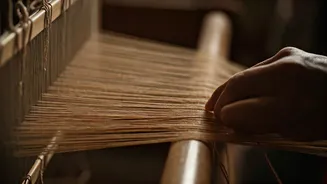
What makes a handloom fabric so special? It’s the human touch. Unlike a power loom, a handloom is operated manually by a skilled artisan. The process is a symphony of motion, where the weaver's hands and feet work in perfect harmony to interlace warp and weft threads. This painstaking process means that no two handloom pieces are ever truly identical. The slight variations in tension and the weaver's personal touch give each fabric a unique character and soul. This manual process, free from mechanical stress, also preserves the natural strength and softness of the fibres, resulting in a durable and breathable fabric that machine-made cloth often cannot replicate. From the vibrant Ikats of Odisha to the shimmering Kanjeevarams of Tamil Nadu, each weave tells a story of its region's culture, climate, and rituals.
A Modern Renaissance
Far from being confined to history, handloom is experiencing a significant revival. This resurgence is driven by a global shift towards sustainable and ethical fashion. As consumers become more conscious of the environmental and social costs of fast fashion, they are seeking out alternatives that are both beautiful and meaningful. Handloom, with its use of natural fibres, minimal energy consumption, and support for rural livelihoods, perfectly fits this demand. Designers are playing a crucial role by blending traditional weaves with contemporary silhouettes, making handloom appealing to a younger, global audience. Brands and social media influencers are also helping to democratize the craft, showcasing its versatility and making it more accessible for everyday wear, not just special occasions.
Weaving a Sustainable Future
Despite its renewed popularity, the handloom sector faces significant challenges. Weavers struggle with inconsistent income, rising costs of raw materials, and stiff competition from cheaper power loom imitations that are often sold as authentic handloom products. The number of weavers has declined over the decades as younger generations seek more stable employment. However, the future remains promising. The handloom sector is one of India's largest rural employers after agriculture, providing a livelihood to millions of artisans, a majority of whom are women. Government initiatives, designer collaborations, and growing consumer awareness are helping to create a more supportive ecosystem. By engaging with modernity on its own terms, this ancient craft is not just surviving but finding new pathways to flourish, ensuring its legacy continues.