






The Science of Sweat and Sebum
High humidity creates a challenging environment for your skin. When the air is saturated with moisture, it becomes harder for sweat to evaporate from your skin's surface. This trapped sweat can then mix with your skin's natural oils (sebum) and environmental
pollutants. This combination is a recipe for trouble. Furthermore, humid conditions actually stimulate your sebaceous glands to produce even more oil, compounding the greasy feeling and increasing the likelihood of congestion. The result is a sticky layer that can clog pores, leading to blackheads, whiteheads, and general inflammation.
The Breakout Connection
It's not your imagination: acne often gets worse in humid weather. The excess oil and sweat create a perfect breeding ground for acne-causing bacteria. When pores are open due to the heat and moisture, they become more susceptible to trapping this mixture of dirt, oil, and bacteria. This process can trigger an inflammatory response, leading to more frequent and severe breakouts, especially for those with already oily or acne-prone skin. The persistent dampness makes pores more prone to congestion, explaining why many see their acne flare up during rainy seasons or in tropical climates.
An Unwelcome Guest: Fungal Acne
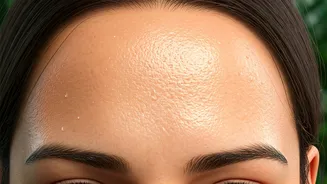
Sometimes, those stubborn little bumps that won't respond to regular acne treatments are not acne at all. High humidity creates the perfect storm for an overgrowth of a yeast naturally found on the skin called Malassezia. This can lead to a condition known as Pityrosporum folliculitis, or fungal acne, which often appears as small, uniform, itchy bumps on the forehead, chest, and back. The warm, moist, and lipid-rich environment created by sweat and sebum in humid weather allows this yeast to thrive and multiply within the hair follicles, causing irritating flare-ups.
Your Humidity-Proof Skincare Routine
Managing your skin in high humidity isn't about fighting the moisture but adapting your routine. The key is to keep skin clean and balanced without stripping its natural barrier. Start by cleansing twice daily with a gentle gel or foaming cleanser to remove the build-up of oil and grime. Look for cleansers containing salicylic acid, which helps exfoliate and dissolve oil inside the pores. Double cleansing at night, starting with an oil-based cleanser or micellar water, is especially effective for breaking down sunscreen and stubborn residue before your main wash.
Lighten Up Your Layers
When it's humid, heavy creams can feel suffocating and contribute to clogged pores. Switch to lightweight, water-based or gel-based moisturizers. Even oily skin needs hydration; skipping moisturizer can cause the skin to produce even more oil to compensate. Look for non-comedogenic formulas with ingredients like hyaluronic acid, which provides hydration without adding oil or weight. For daytime, a lightweight, oil-free sunscreen is non-negotiable to protect your skin without adding to the greasy feeling.
Powerful Ingredients to Consider
Incorporating specific active ingredients can make a significant difference. Niacinamide is a standout for humid weather as it helps regulate oil production, calm inflammation, and minimize the appearance of pores. Retinoids can also be beneficial by stimulating collagen and keeping pores tight, which may help them emit less oil. For exfoliation, stick to gentle chemical exfoliants like salicylic acid (a BHA) or lactic and glycolic acids (AHAs) 2-3 times a week to keep pores clear without the irritation that can be caused by harsh physical scrubs.