






The Trillion-Rupee Question
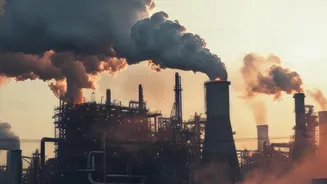
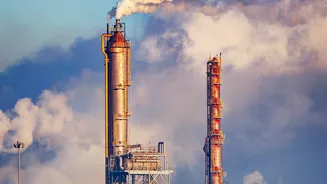
The economic cost of air pollution in India is staggering, with various reports placing the annual burden anywhere from 1.36% to as high as 9.5% of the country's GDP. A FICCI-EY report estimated annual business losses at around $95 billion, or nearly
3% of GDP, stemming from operational inefficiencies and workforce issues. A Lancet study calculated that the output lost from premature deaths and illnesses due to air pollution in 2019 amounted to US$36.8 billion, equivalent to 1.36% of India's GDP at the time. This figure alone represented more than a third of what the nation spends on healthcare. These numbers illustrate a stark reality: cleaning the air is not just an environmental goal but a pressing economic necessity.
A Crippling Burden on Healthcare
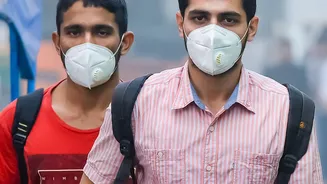
The health consequences of breathing toxic air translate directly into massive financial costs. In 2019, air pollution was responsible for 1.67 million deaths in India and was linked to 11.5% of the total disease burden. The cost of treating these pollution-related ailments, including respiratory and cardiovascular diseases, was estimated at around $11.9 billion for that year. This burden falls heavily on households, where out-of-pocket payments for chronic conditions like asthma and heart disease drain family budgets. Recent data shows that health insurance claims linked to pollution-driven illnesses have surged, with the total payout increasing 4.5 times between FY23 and FY26. The economically active population, those aged 31-55, file the majority of these claims, indicating that the workforce is bearing a significant health and financial load.
Lost Productivity and Slower Growth
Air pollution directly impacts India's engine of growth: its workforce. Studies have consistently shown that on days with high pollution, worker productivity drops significantly. Research on garment factory workers found that a one-standard-deviation increase in PM2.5 led to a 6% decrease in efficiency. Similar effects have been documented in the service sector, where call center employees made fewer calls on polluted days. The cumulative effect is immense, with one estimate suggesting India loses 1.3 billion working days annually due to pollution-related health issues. This loss of productivity and increased absenteeism directly stunts economic output. A World Bank paper found that a median annual increase in PM2.5 reduces a district’s year-on-year GDP growth by 0.56 percentage points, creating a compounding drag on the economy.
Damage to Key Economic Sectors
The economic damage extends beyond healthcare and labor. The agricultural sector, a cornerstone of the Indian economy, suffers from reduced crop yields. Pollutants like ground-level ozone and black carbon damage crops by reducing photosynthesis. Studies have shown that air pollution has led to significant declines in wheat yields, in some cases by as much as 14% over a multi-year period. The energy sector is also affected; a 2023 study found that aerosol pollution reduced India's solar power generation by 9.6% by blocking sunlight. Furthermore, industries like tourism suffer as international visitors and domestic travelers may be deterred by hazardous air quality, affecting revenue and jobs in the hospitality sector.