
The Search for a Cleaner Sip
For years, the go-to cold drink often meant a neon-coloured syrup mixed with water or soda. But as consumers in India become more health-conscious, they are looking more closely at ingredient labels. This shift is driving a demand for beverages that offer
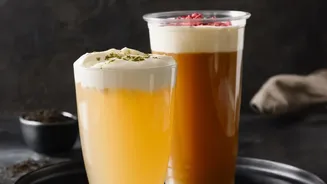
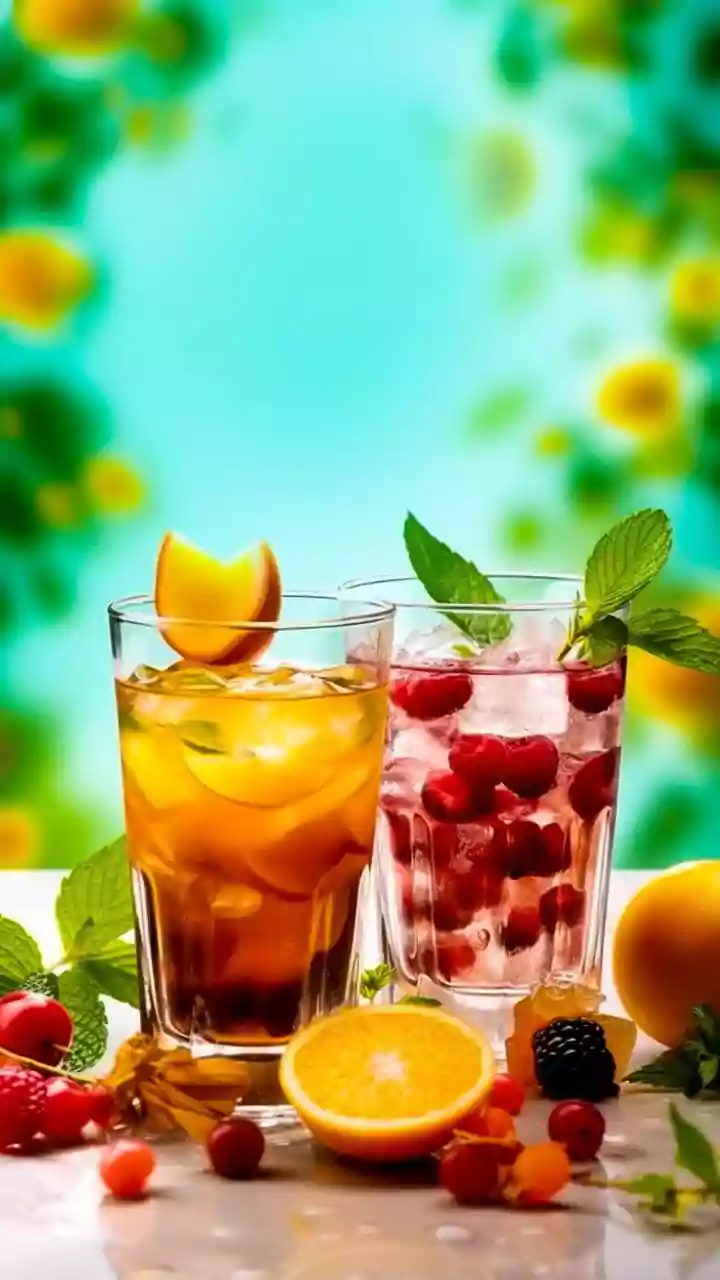
more than just refreshment; people want wellness in a glass. The result is a growing rejection of artificial additives in favour of natural, functional ingredients. Enter the world of artisanal cold teas, which are gaining momentum among millennials and Gen Z who are drawn to their perceived health benefits, sophisticated flavours, and Instagram-worthy appeal.
What is Slow Steeping?
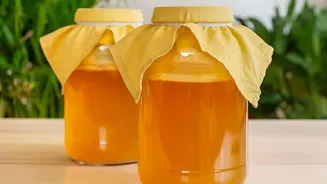
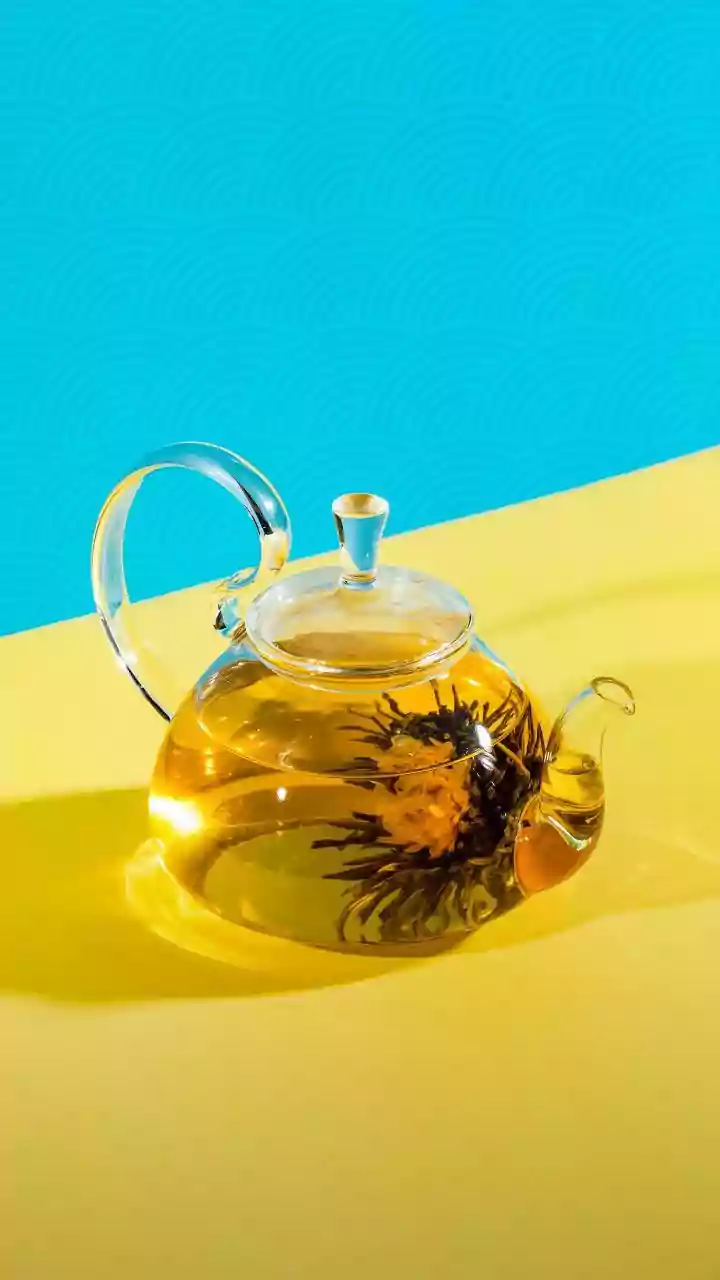
Unlike traditional iced tea, which is typically brewed hot and then cooled, slow-steeped tea (or cold brew) is made by infusing tea leaves in cold or room-temperature water for an extended period, often between 6 to 12 hours. This gentle, time-driven process extracts flavours differently. The slower extraction prevents the release of high levels of tannins, which are compounds responsible for the bitterness and astringency often found in hot-brewed teas. The resulting brew is remarkably smooth, naturally sweeter, and less acidic, making it easier on the stomach. This method also tends to have lower caffeine content while preserving certain antioxidants.
The Hibiscus Revolution
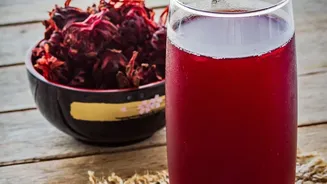
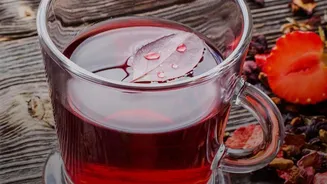
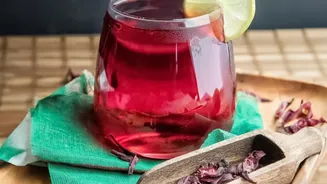
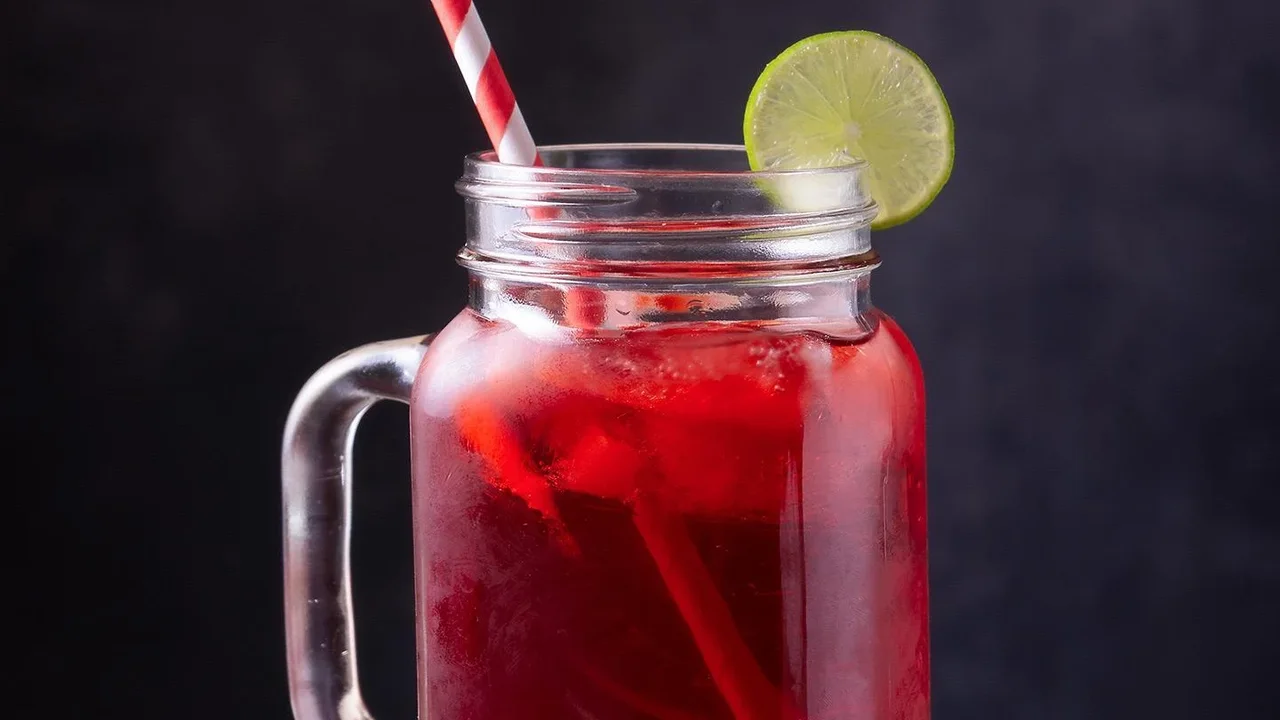
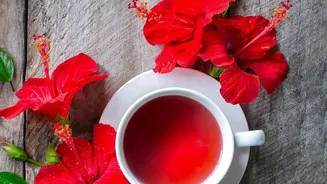
At the forefront of this botanical trend is hibiscus. Known for its stunning deep-red hue and a distinctly tart, fruity flavour reminiscent of cranberries, hibiscus is more than just a pretty flower. This caffeine-free herbal infusion is packed with antioxidants, including vitamin C and anthocyanins, which give the petals their vibrant colour. Studies have suggested that hibiscus may offer several health benefits, such as helping to lower blood pressure and cholesterol levels. Its naturally tangy profile provides a complex and refreshing base that doesn't require heaps of sugar or synthetic flavouring to be enjoyable, making it an ideal hero ingredient for a new generation of wellness drinks.
A Return to Natural Roots
This movement is part of a larger appreciation for India's traditional beverages and a renewed interest in Ayurveda and herbal solutions. Consumers are increasingly seeking out drinks with clean labels that feature familiar, trusted ingredients like tulsi, ginger, mint, and, of course, hibiscus. This trend reflects a desire for products that are both modern in their convenience and traditional in their wholesome, natural foundations. The rise of botanical infusions in everything from teas to craft gins showcases a market that values authenticity and local sourcing. It's a mindful shift towards consumption that prioritises both personal well-being and a connection to nature.
How to Brew at Home
Making your own slow-steeped hibiscus tea is incredibly simple. All you need are dried hibiscus flowers and filtered water. Combine about 3 to 4 heaping teaspoons of dried hibiscus for every 500 ml of cold water in a jar or pitcher. Cover it and let it steep in the refrigerator for at least 8 hours, though steeping it overnight will yield a deeper flavour and colour. Since hibiscus doesn't become bitter with long infusion times like black or green tea, the process is very forgiving. Once steeped, simply strain out the flowers. You can enjoy it as is over ice, or add a natural sweetener like honey, a squeeze of lime, or some fresh mint to customise your drink.