




Why the Monsoon Demands Extra Caution
The rainy season, while offering respite from the heat, creates an ideal environment for bacteria, viruses, and fungi to thrive. High humidity and moisture lead to faster food spoilage and create breeding grounds for microbes. Furthermore, waterlogging
can lead to the contamination of public water supplies with sewage, increasing the risk of waterborne diseases like typhoid, jaundice (Hepatitis A), and gastroenteritis. This combination of factors means that our food and water are more vulnerable to contamination, making food safety practices more critical than ever.
Navigating Street Food Cravings
The allure of street food intensifies during a downpour, but it's also the riskiest choice. Street vendors often work in open areas where food is exposed to dust, flies, and contaminated rainwater. The water used for making chutneys or the famous 'pani' for pani puri might be unsafe. However, this doesn't mean you must avoid all street food. The key is to be selective. Opt for snacks that are prepared fresh and served piping hot in front of you, like roasted corn (bhutta), hot idlis, or freshly fried samosas and pakoras. High temperatures kill most harmful germs. It's best to avoid raw items like salads, pre-cut fruits, and any dish with cold or raw chutneys. If possible, try making your favourite street-style snacks at home where you can control the hygiene and quality of ingredients.
The Truth About Leafy Greens
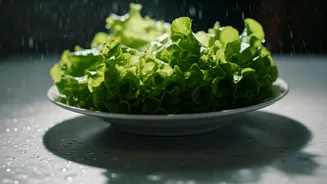
Normally a staple of a healthy diet, leafy green vegetables like spinach, cabbage, and lettuce become a potential hazard during the monsoon. The damp, muddy conditions they grow in make them prone to contamination with dirt, germs, and larvae that can be difficult to wash away completely. Cruciferous vegetables like cauliflower and broccoli, with their tightly packed florets, can also trap moisture, insects, and bacteria. It is safer to avoid raw salads during this season. If you do consume these vegetables, it's crucial to wash them thoroughly—soaking them in a solution of salt water or vinegar can help—and cook them well before eating. Opting for gourds like lauki (bottle gourd) and karela (bitter gourd), which have a protective skin, is a safer alternative.
Handling Meats and Seafood with Care
The monsoon is the breeding season for many types of fish and seafood, which can increase the risk of contamination. Additionally, the high humidity accelerates spoilage. If you choose to eat meat or seafood, purchase it only from clean, reputable sources. Ensure it is cooked thoroughly to a safe internal temperature to kill any potential pathogens. It's generally advisable to limit seafood consumption during this period and opt for poultry or fresh vegetarian protein sources instead. Always store meat and dairy products properly refrigerated and consume them quickly.
Strengthen Your Defences from Within
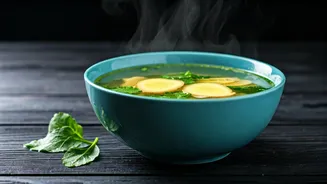
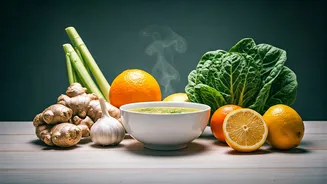
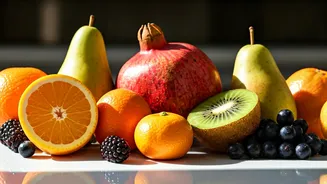
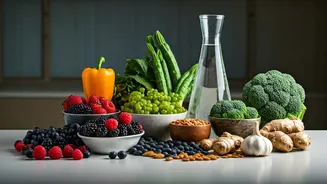
A strong immune system is your best defence against monsoon maladies. Incorporating certain foods into your diet can help bolster your immunity. Spices like turmeric, ginger, garlic, and pepper are known for their anti-inflammatory and antibacterial properties. Including them in your daily cooking can help your body fight infections. Citrus fruits such as lemons and oranges are rich in Vitamin C, which boosts the production of white blood cells. Warm, comforting meals like soups, stews, and khichdi are not only soothing but also easy to digest. A cup of herbal tea made with ginger and tulsi can also help fight off common colds and coughs.
Simple Habits for a Healthy Monsoon
Beyond just food choices, a few basic habits can significantly reduce your risk of getting sick. Always wash your hands with soap and water before cooking or eating. Drink only boiled, filtered, or trusted bottled water, and avoid ice from unknown sources. Eat freshly cooked meals and avoid keeping food, especially leftovers, at room temperature for long periods, as bacteria multiply rapidly in humid weather. If you do have leftovers, refrigerate them promptly in airtight containers and reheat them thoroughly before consuming.