


The Perfect Address Isn't Enough
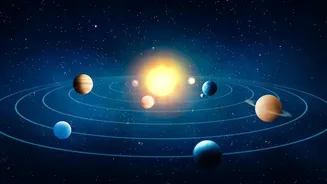
For decades, the concept of the habitable zone has been the primary filter in our search for life-friendly planets. This zone is the orbital band around a star where surface temperatures could allow liquid water to exist, a key ingredient for life as we
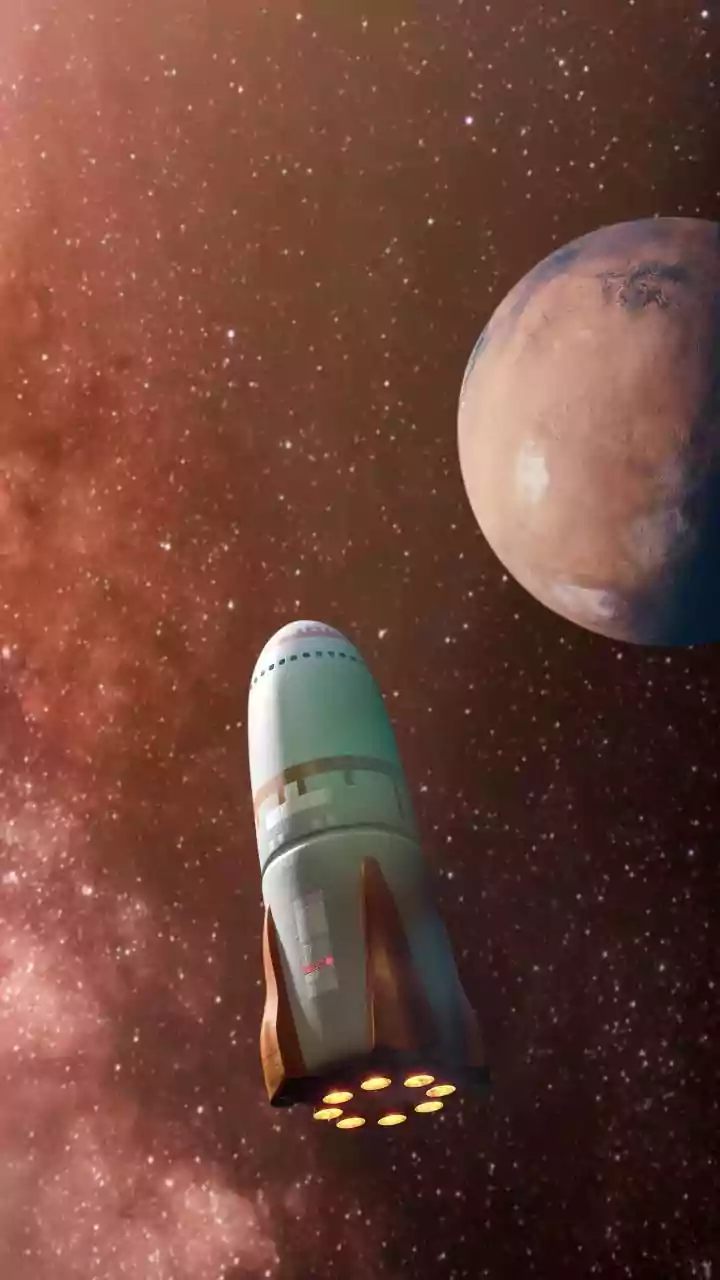
know it. If a planet is too close to its star, its water boils away; too far, and it freezes solid. While this is a crucial first step, scientists now understand it is an oversimplification. Merely being in this temperate zone does not guarantee habitability. Two of our own neighbours, Venus and Mars, sit within the Sun's habitable zone, yet one is a scorching hothouse and the other is a frigid desert. This shows that a planet's orbit is just one piece of a much larger, more complex puzzle. A truly habitable world needs much more than a good location.
The Right Kind of Star
A planet's habitability is deeply connected to the star it orbits. The star provides the energy for life but can also be a source of immense destruction. The ideal star is stable. Many common stars, like red dwarfs, are prone to violent flares, blasting their nearby planets with intense X-ray and ultraviolet radiation. This constant bombardment can strip a planet of its atmosphere, rendering it lifeless. The star’s size and temperature also matter, as they determine the size and location of the habitable zone. Smaller, cooler stars have much tighter habitable zones, forcing planets to orbit dangerously close and become tidally locked, with one side perpetually facing the star in scorching heat and the other in a permanent deep freeze. Therefore, a calm, predictable, middle-aged star like our Sun is considered a far more promising host.
An Atmosphere as a Planetary Shield
An atmosphere is non-negotiable for a life-bearing world. It acts as a protective blanket, trapping heat to keep the planet warm and shielding the surface from harmful radiation. It also provides the necessary pressure to keep water in a liquid state. Without a substantial atmosphere, any water on the surface would either boil away or freeze. Scientists using advanced tools like the James Webb Space Telescope (JWST) now have the ability to peer into the atmospheres of distant exoplanets. They search for the chemical fingerprints of gases like water vapour, carbon dioxide, and methane, which could indicate biological or geological processes. However, even finding an atmosphere is not a sure sign of habitability; its composition is everything. Too much carbon dioxide can lead to a runaway greenhouse effect, like on Venus.
An Invisible Defence System
Even with the right orbit and a good atmosphere, a planet is still vulnerable. A strong magnetic field is another vital component for long-term habitability. Generated by a planet's molten core, this invisible shield deflects the constant stream of charged particles from its star, known as the solar wind. Without a magnetic field, the solar wind can slowly but surely erode a planet's atmosphere over millions of years, stripping it away into space. This is believed to be part of what happened to Mars, transforming it from a potentially warmer, wetter world into the cold, thin-atmosphered planet we see today. A robust magnetic field protects not just the atmosphere but also any potential life on the surface from damaging cosmic radiation.
Active Geology and the Water Cycle
Finally, the planet itself needs to be geologically active. Processes like plate tectonics, while not universally agreed upon as essential, play a critical role on Earth. Volcanic activity releases gases that help form and replenish the atmosphere, while the movement of tectonic plates helps regulate the planet's climate over geological timescales by cycling carbon between the atmosphere and the planet's interior. This geological activity, combined with a stable climate, allows for the presence of liquid water, which is fundamental to all life on Earth. The presence of nutrients and a system to cycle them, often involving water and volcanic activity, is also considered a key requirement. The search for life, therefore, is not just a search for planets, but for dynamic, active worlds with the right combination of ingredients.