





The Route and The Journey
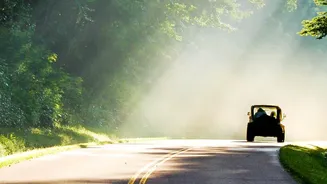
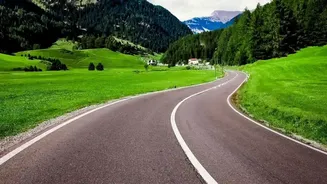
The drive from Bangalore to Agumbe spans approximately 350-380 kilometres and takes about seven to eight hours. The most common route passes through Hassan, Belur, and Thirthahalli before ascending the winding Agumbe Ghat, which has 13 hairpin bends.
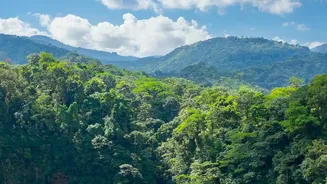
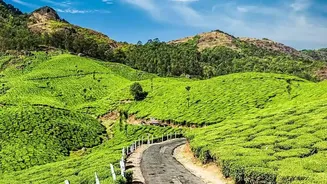
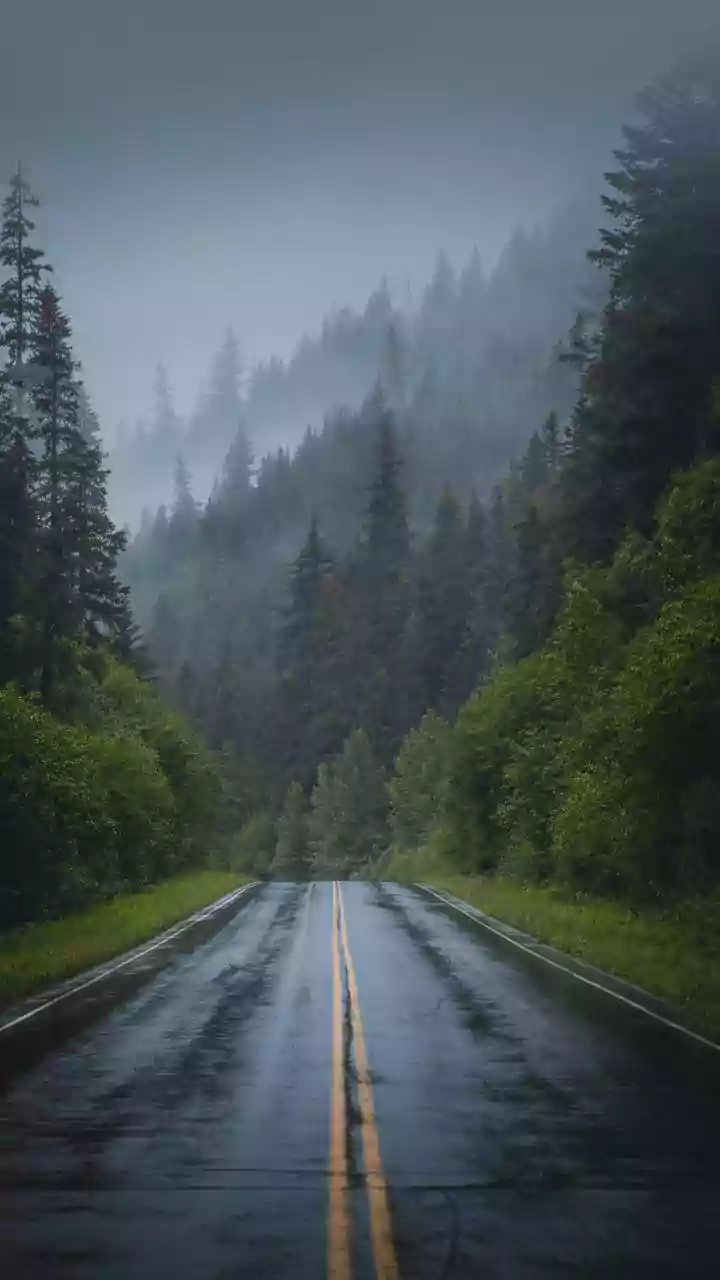
This journey is as much a part of the experience as the destination itself, with roads cutting through lush greenery and the scent of wet earth filling the air. For photographers, the drive offers numerous opportunities to capture the transition from urban plains to the dense, rolling hills of the Malnad region. The post-monsoon period, from October to February, is ideal for this trip, offering lush green landscapes and clearer skies.
Kundadri Hills for Misty Panoramas
Around 18 kilometres from Agumbe town lies Kundadri Hills, a monolithic rock formation that provides breathtaking panoramic views of the Western Ghats. At its peak sits a 17th-century Jain temple. For photographers, Kundadri is a paradise, especially during the early morning hours when the valleys are filled with mist, creating an ethereal, otherworldly landscape. The drive up the hill is steep but manageable. It’s a prime location for capturing expansive landscape shots of paddy fields and dense forests stretching to the horizon, making it an unmissable stop.
Agumbe Sunset View Point
One of Agumbe's most famous attractions is the Sunset View Point, located just a short walk from the main town. Perched high on the ghats, it offers an uninterrupted view of the sun setting over the dense rainforest canopy, and on clear days, you can even see the distant Arabian Sea. This spot is a magnet for photographers looking to capture dramatic golden-hour shots as the sky erupts in hues of orange and crimson. Arriving by 5 PM is recommended to secure a good vantage point, as it's a popular spot. The cool breeze and stunning vistas make it the perfect place to end a day of exploration.
The Trek to Onake Abbi Falls
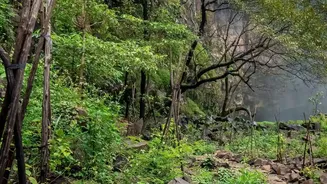
For those willing to venture off the beaten path, Onake Abbi Falls is a rewarding challenge. Reaching this waterfall requires a trek of about 4-5 kilometres through dense forest. The falls, named for their resemblance to a long pole ('Onake' in Kannada), cascade from a height of around 500 feet. The trail itself is a photographic journey, rich with rare flora, butterflies, and the sounds of the forest. The view from the bottom of the falls is spectacular, offering a chance to capture the raw power of the water against a backdrop of sheer rock and greenery. Remember to get permission from the forest department before undertaking the trek.
Accessible Beauty at Jogi Gundi Falls
If a long trek isn't on your agenda, Jogi Gundi Falls offers stunning beauty with much less effort. Located just 4 kilometres from Agumbe, it's reached via a short 15-minute walk through the forest. Uniquely, the waterfall originates from a cave and cascades about 20 feet into a large, natural pool where visitors can swim. The accessibility makes it perfect for a quick photographic detour. The area is ideal for capturing images of moving water, the play of light through the canopy, and the lush surroundings. The falls are named after a saint who is said to have meditated here.
Essential Rainforest Photography Tips
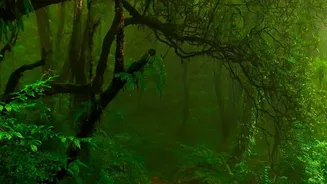
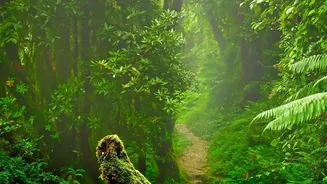
Photographing in a rainforest comes with unique challenges. The light is often low and uneven, and humidity can be a problem for gear. It's best to shoot on overcast days, as the clouds act as a natural diffuser, preventing harsh shadows and bringing out the rich greens. A tripod is essential for sharp images, especially when using slower shutter speeds to create a 'milky' effect on waterfalls. A circular polariser is another invaluable tool; it reduces glare on wet leaves and water surfaces, and saturates colours naturally. Beyond grand landscapes, look for macro opportunities—the intricate patterns of fungi, ferns, and the vibrant insect life offer a different perspective on the rainforest's beauty.