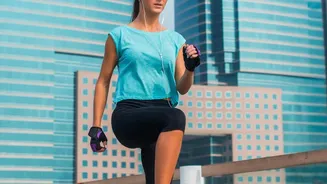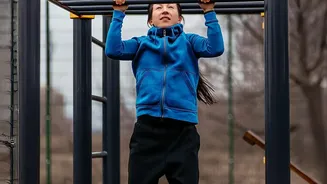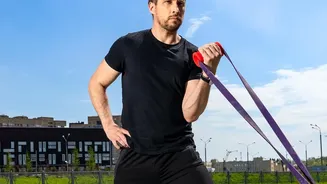

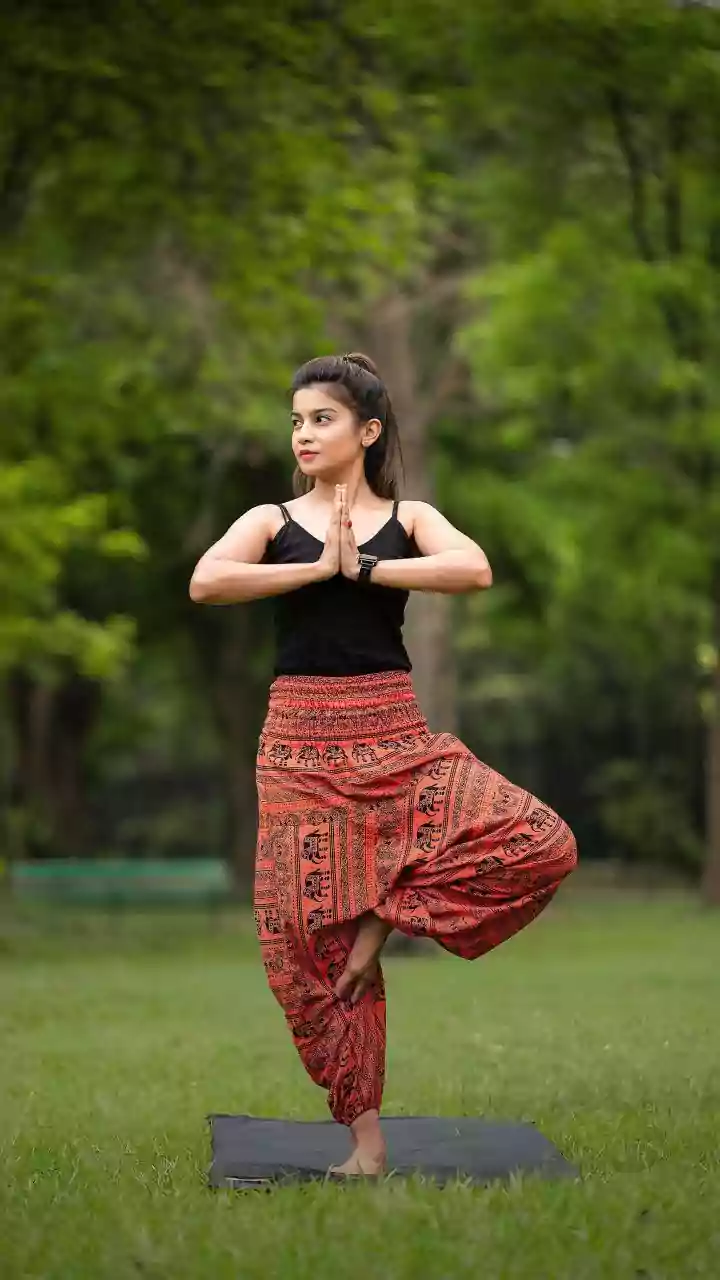


The humble neighbourhood park is getting a major upgrade. Once reserved for quiet morning walks, these green spaces are now buzzing with a new energy as residents transform them into open-air gyms, yoga studios, and community social hubs.
The New Open-Air Gymnasium
Across India's
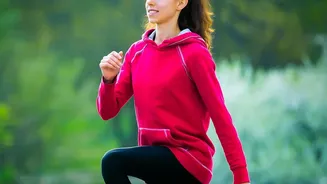
bustling cities, a quiet revolution is taking place on the grass. The era of the expensive, indoor gym is facing a fresh-air challenge from a powerful, cost-free alternative: the local park. Driven by a post-pandemic appreciation for open spaces and a growing desire for accessible wellness, residents are trading air-conditioned rooms for outdoor circuits. You can now see everything from organised boot camps and laughter yoga circles to solo runners and groups practising calisthenics. Many municipalities have responded to this trend by installing permanent, weather-proof equipment, effectively creating 'open-air gyms' with leg presses, pull-up bars, and cross-trainers that are available to everyone. This shift democratises fitness, removing the financial barrier of a gym membership and making a healthy lifestyle more attainable for all.
More Than a Workout: Building Community
One of the most significant benefits of this trend is the powerful sense of community it fosters. What often starts as a solitary jog or workout quickly evolves into a shared experience. Running clubs now use parks in cities like Bangalore, Hyderabad, and Delhi as their primary meeting points, coordinating weekend runs and training sessions. These gatherings are about more than just physical activity; they are about connection. Friendships are formed, tips are shared, and a support network is built, turning exercise from a chore into a highly anticipated social event. This social fabric is crucial for mental well-being, combating the urban loneliness that can come with city life and helping residents feel a greater sense of belonging in their own neighbourhoods.
A Fresh Perspective on Public Space
The pandemic fundamentally changed our relationship with the outdoors, making people realise the immense value of accessible public spaces for health and well-being. This newfound appreciation has led communities to creatively reclaim and activate underused areas. Parks are now seen as 'third places'—essential social environments beyond home and work. We see this in Hyderabad, where parks serve as vital spaces for social relations, and in Kolkata, where a chess club thrives under a flyover, proving that community can blossom anywhere. This movement prompts a broader conversation about urban design, encouraging city planners to see parks not just as green patches to be maintained, but as dynamic platforms for community life and public health.
Challenges and the Path Forward
While the trend is overwhelmingly positive, it is not without challenges. In some areas, increased usage has led to concerns about overcrowding or the need for better maintenance of facilities. For women, safety can still be a concern, making them feel more comfortable exercising in groups rather than alone. Furthermore, some parks have restrictive rules or entry fees that can unintentionally exclude lower-income residents, undermining their role as truly 'public' spaces. The path forward involves municipalities actively supporting this grassroots movement. This means not only installing and maintaining equipment but also ensuring parks are safe, accessible to all, and designed with community needs in mind. By doing so, cities can harness this organic trend to build healthier, more connected, and resilient communities from the ground up.