




The New Prime Time for Dining
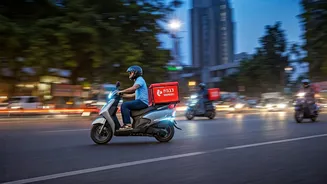
Across India's bustling cities, the traditional 9 p.m. dinner is being replaced by a much later, digitally-ordered feast. Industry reports show that food delivery has surged in the late-night window, roughly between 11 p.m. and 3 a.m.. Over the past year,
some platforms have seen late-night order volumes double, a trend accelerated by everything from major sporting events to evolving daily routines. This isn't just a big-city phenomenon. While metros like Bengaluru, Hyderabad, and Mumbai are leading the charge, smaller cities such as Surat, Patna, and Thiruvananthapuram are also seeing a significant rise in after-dark food orders. The midnight meal is fast becoming a new, unofficial fourth meal of the day for a generation that lives and works on a 24/7 clock.
Why Dinner is Getting Later
Several factors are fuelling this cultural shift. For many young professionals in the tech and service industries, workdays have stretched and become more flexible, often involving late-night calls with international teams. The rise of the gig economy also means more people are working unconventional hours. Beyond work, entertainment has been completely reshaped by streaming platforms. Binge-watching a new series late into the night has become a popular form of relaxation, and with it comes the craving for a companion meal. For students, late-night study sessions are often powered by comfort food delivered to their doorstep. It’s a convergence of ambition, academic pressure, and a new social calendar where life doesn't pause when the sun goes down.
An Ecosystem Built for the Night
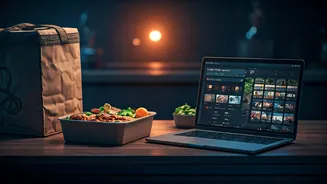
This trend wouldn't be possible without a robust ecosystem designed to cater to it. Food delivery apps like Swiggy and Zomato have been pivotal, normalizing the idea of getting hot food delivered at any hour. In response to this growing demand, a new wave of 'cloud kitchens' or 'ghost kitchens' has emerged. These delivery-only establishments operate without a physical storefront, allowing them to focus exclusively on preparing food for online orders. Many of these kitchens are designed specifically for the late-night market, using data analytics to predict demand and position themselves in high-density areas to ensure quick delivery. This tech-driven infrastructure has made ordering food at 2 a.m. as seamless as ordering lunch.
The Midnight Menu
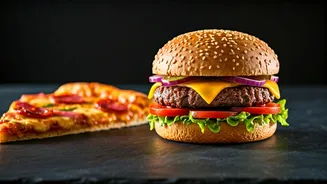
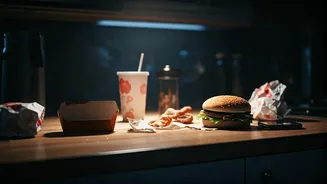
So, what are people eating in the wee hours? Comfort food overwhelmingly reigns supreme. According to data from delivery platforms, biryani is a perennial favourite, consistently ranking as one of the most ordered dishes year after year. Burgers and pizzas are also incredibly popular choices for a late-night feast. Alongside these hearty meals, snacks like chicken rolls and momos are in high demand, perfect for a movie marathon. And for those with a sweet tooth, desserts like choco-lava cake and chocolate waffles see a spike in orders after midnight. While indulgence is common, a growing awareness around health is also leading some to seek out lighter options.
More Than Just a Meal
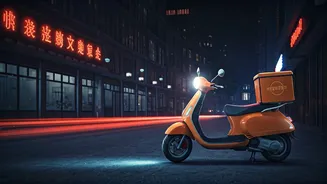
The rise of the midnight meal is a telling sign of the times. It reflects a deeper transformation in Indian urban society—one marked by a faster pace of life, globalised work cultures, and the profound impact of technology on daily habits. This shift is creating a new nocturnal economy, from the chefs in cloud kitchens to the delivery partners navigating quiet streets. While the convenience is undeniable, the trend also brings health considerations to the forefront, with experts cautioning against the long-term effects of irregular eating schedules and sleep disruption. Ultimately, the late-night order is more than just food; it's a snapshot of a young, ambitious, and digitally-native India redefining its routines, one delivery at a time.