

The New Definition of Healthy
For generations, 'ghar ka khana' was synonymous with healthy eating. The logic was simple: it was fresh, not processed, and made with love. While that sentiment remains, the definition of 'healthy' is getting a significant upgrade. Spurred by rising rates
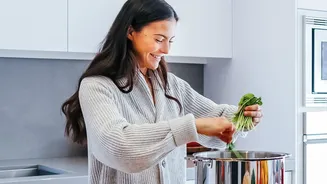
of lifestyle diseases like diabetes and a flood of accessible information online, many are looking beyond the simple binary of home-cooked versus outside food. The new focus is on the quality and balance of the ingredients themselves. Families are beginning to question the type of oil in their tadka, the grain in their roti, and the amount of protein on their plate. It’s a shift from reactive healthcare to proactive wellness, starting right at the grocery list and the kitchen counter.
The Great Protein Push
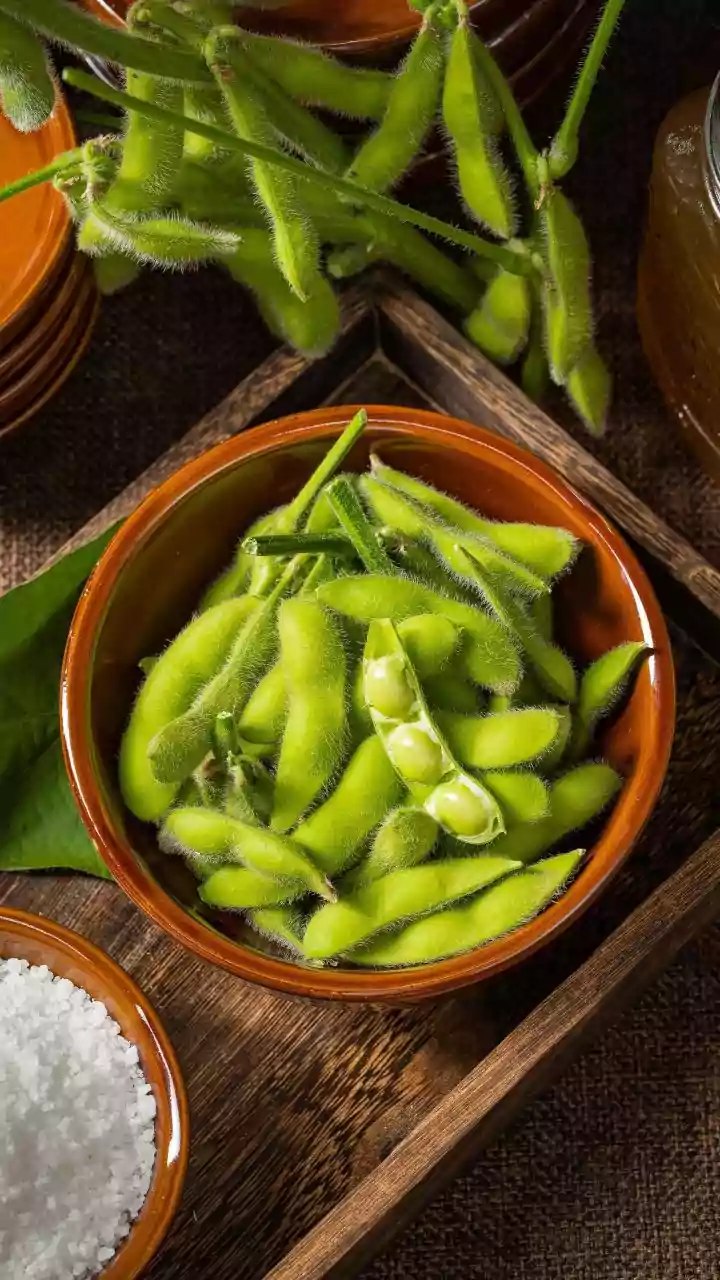
One of the biggest changes is the conscious effort to increase protein intake. Studies have repeatedly highlighted that a significant portion of the urban Indian population is protein-deficient, with diets heavily skewed towards carbohydrates. This awareness is driving a deliberate shift in meal composition. It's no longer enough to have a small bowl of dal on the side. People are actively finding ways to make protein the star of every meal. This includes incorporating more paneer, eggs, chickpeas, and soy into their cooking, and ensuring breakfast isn't just carb-heavy. The goal is to build meals that provide sustained energy, improve metabolism, and keep them fuller for longer, directly combating the traditional carb-heavy plate.
The Mighty Millet Revival
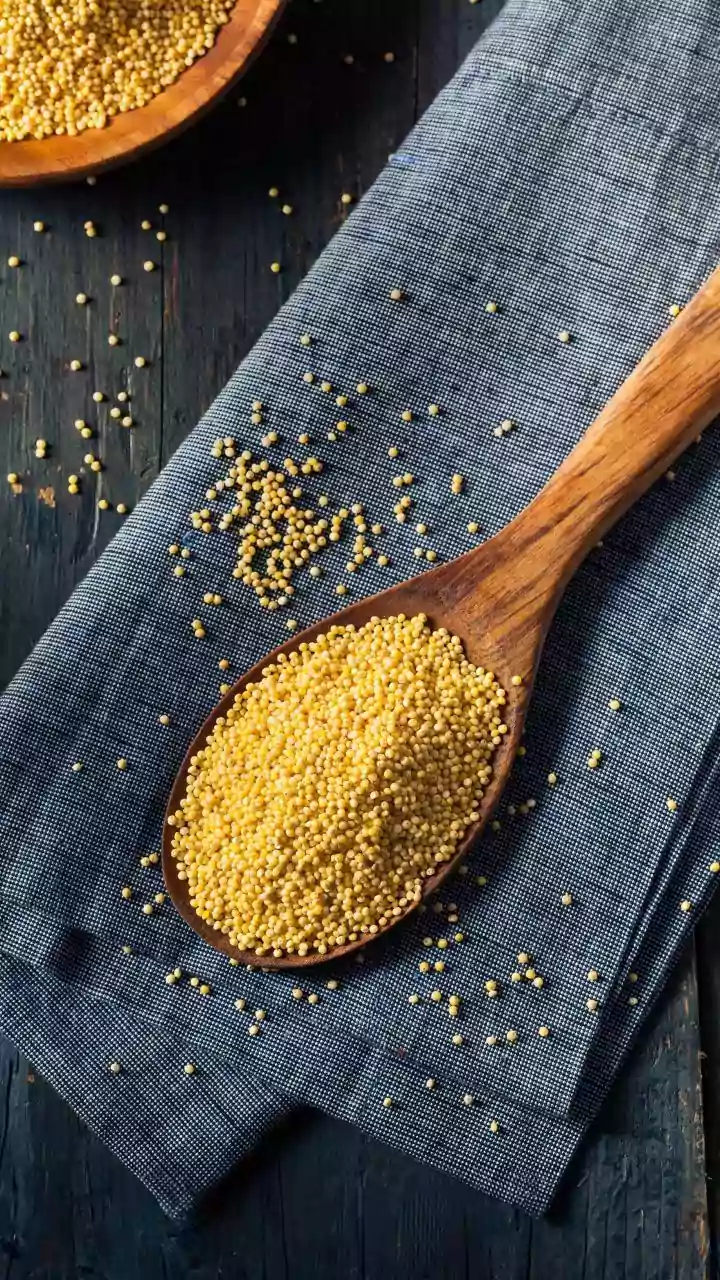
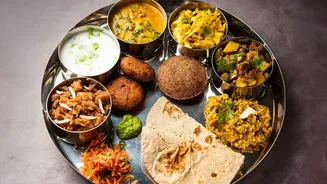
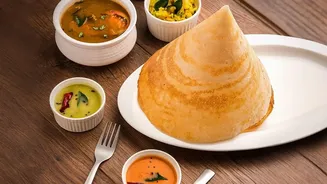
Ancient grains are making a powerful comeback, chief among them being millets. Once staples in many parts of India, grains like jowar (sorghum), ragi (finger millet), and bajra (pearl millet) were sidelined by the Green Revolution's focus on wheat and rice. Now, they are being rediscovered as nutritional powerhouses. Championed for being gluten-free, rich in fibre and minerals, and having a low glycemic index, millets are ideal for managing blood sugar and improving overall health. Government initiatives and a global wellness trend have accelerated this revival, with millets moving from a niche health food to a mainstream choice for rotis, dosas, and even breakfast porridges.
Mindful Fats and Cooking Methods
The conversation around fats is also becoming more nuanced. For years, the focus was on simply reducing oil. Now, it's about choosing the right kind of fats and using healthier cooking methods. There's a growing appreciation for traditional fats like ghee and cold-pressed mustard oil, which are seen as beneficial in moderation. At the same time, people are becoming more conscious of the amount of refined oils used in daily cooking and are looking to reduce their reliance on deep-frying. Techniques like steaming, grilling, and roasting, long part of India's diverse culinary repertoire, are being favoured to preserve the nutritional value of ingredients without adding unhealthy fats.
Guidance from the 'Gram
This nutritional shift is being significantly shaped and accelerated by social media. Platforms like Instagram and YouTube have democratised nutritional information, making expert advice from dietitians and health coaches readily available. People are finding inspiration for healthy recipes, learning how to read nutrition labels, and understanding complex concepts like macronutrients through easily digestible content. While there is a risk of misinformation from unqualified influencers, the overall effect has been a massive increase in awareness, empowering individuals to make small, sustainable changes to their family's diet. This digital guidance is helping translate broad health goals into practical, everyday kitchen habits.