







Walk down any supermarket aisle and the wall of cooking oils can be overwhelming. From ‘kachi ghani’ to ‘refined lite,’ the labels promise health and flavour. But what’s the real difference, especially for our beloved traditional Indian dishes?
The Tale of Two Processes
The fundamental
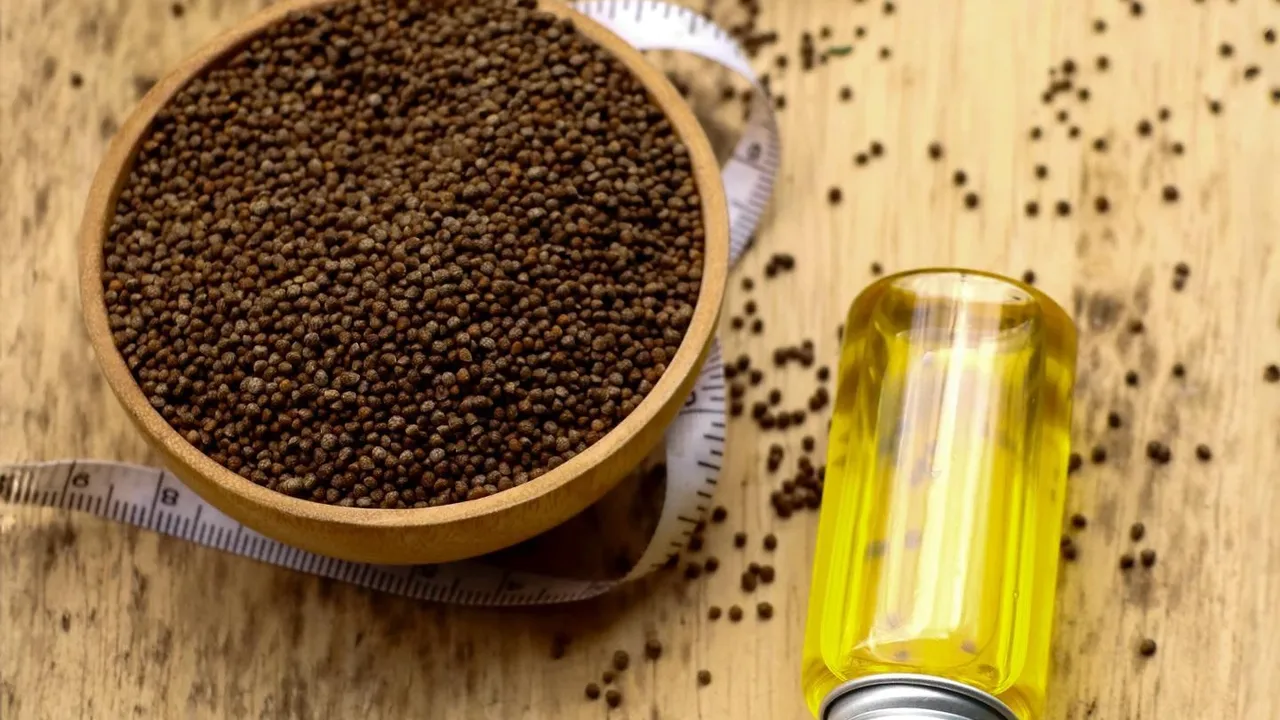
difference between cold-pressed and refined oils lies in how they are made. Cold-pressed oils, as the name suggests, are extracted by crushing seeds or nuts at low temperatures, typically below 49°C, without using chemicals. This traditional method, often using a wooden press (or 'ghani'), is a simple mechanical process that preserves the oil's natural character. Think of it as the most direct way to get oil from a seed. Refined oils, on the other hand, undergo a multi-stage industrial process. This involves high heat and chemical solvents, like hexane, to extract the maximum amount of oil. Afterward, the oil is bleached to lighten its colour and deodorised to remove any strong aromas and flavours, resulting in a neutral, uniform product.
A Nutritional Snapshot
Because of its minimal processing, cold-pressed oil is a nutritional powerhouse. It retains natural antioxidants, vitamins like Vitamin E, and beneficial plant compounds called polyphenols. These components are linked to health benefits such as reduced inflammation and improved heart health. Refined oils, while containing the same fat and calorie content, lose a significant portion of these micronutrients during the high-heat, chemical-heavy refining process. While refining creates a more stable oil with a longer shelf life, it comes at the cost of the natural goodness found in the original seed.
Smoke Point: The Heat is On
One of the most critical factors in Indian cooking is the smoke point—the temperature at which an oil starts to burn and break down. This is where refined oils have a distinct advantage. The refining process removes impurities, giving these oils a higher smoke point, often above 200°C. This makes them suitable for high-heat cooking methods like deep-frying puris or samosas. Cold-pressed oils generally have lower smoke points. For instance, cold-pressed groundnut oil smokes at around 160°C, whereas its refined counterpart can handle up to 232°C. Using an oil past its smoke point not only ruins the flavour but can also create harmful compounds. Therefore, for everyday tadkas, sautéing, and shallow frying at moderate heat, cold-pressed oils work well, but for sustained high-heat cooking, refined oils are more stable.
The Soul of Flavour in Regional Cuisines
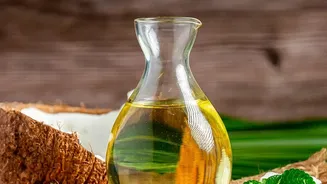
This is where the debate gets truly interesting. The neutral taste of refined oil allows the spices in a dish to be the hero. However, for many regional Indian recipes, the oil is not just a cooking medium but a key flavouring ingredient. The pungent, sharp aroma of cold-pressed mustard oil is non-negotiable for authentic Bengali dishes like 'Shorshe Ilish' (Hilsa in mustard gravy) or a smoky 'Baingan Bharta'. Similarly, the distinct sweetness of cold-pressed coconut oil is essential to many Keralan and Mangalorean curries. Using a refined oil in these dishes would simply not produce the same authentic taste. Cold-pressed groundnut and sesame oils are staples in Maharashtrian, Gujarati, and South Indian kitchens, lending a nutty, aromatic depth to everything from gravies to pickles.