



The Slow Decline of Solar Power
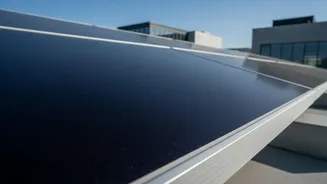
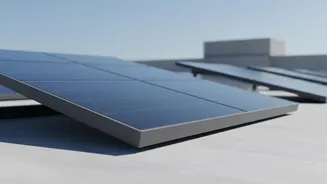
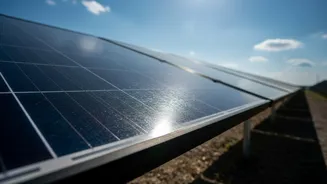
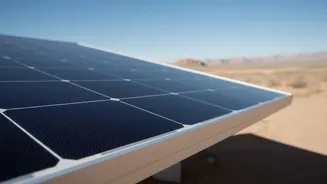
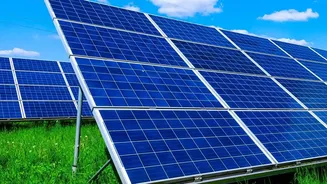
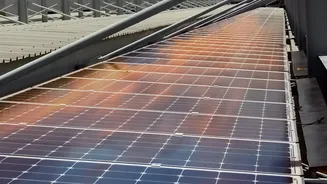
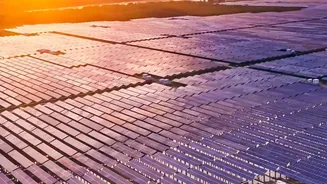
Solar panels are the workhorses of the renewable energy revolution, but they are not immortal. From the moment they are installed, they begin a slow process of degradation. The primary culprit is the sun itself. Constant exposure to ultraviolet (UV) radiation,
combined with heat, moisture, and atmospheric pollutants, causes the surfaces of solar panels to age. This "surface aging" isn't just cosmetic; it reduces the amount of sunlight that reaches the photovoltaic cells beneath, steadily decreasing their efficiency and power output over time. This gradual decline means that a solar farm produces less energy in its tenth year than in its first, impacting long-term financial viability and our reliance on clean energy.
Nature's Ultimate Sunscreen
Nature, however, solved the problem of UV protection billions of years ago with melanin. This pigment is found in nearly all forms of life, from bacteria to humans. It’s what gives our skin, hair, and eyes their color. But melanin is more than just a pigment; it's a master of photoprotection. It has the remarkable ability to absorb a broad spectrum of light, including up to 99.9% of harmful UV radiation, and dissipate this energy harmlessly as heat. This process happens on an incredibly fast timescale, preventing the high-energy photons from creating damaging free radicals. It’s this natural, highly efficient UV-shielding capability that has caught the attention of scientists looking for new ways to protect our own technologies.
From Squid Ink to a Synthetic Shield
While human melanin is one source of inspiration, researchers have found a rich and potent form of melanin in the ink of squids. Squid ink is a complex substance, primarily a mix of melanin and protein-polysaccharide complexes. Scientists, however, don't need to farm vast numbers of squid. Instead, they study the structure of this natural melanin to create a bio-synthetic version in the lab. This synthetic melanin, often a polymer called polydopamine, mimics the properties of its natural counterpart. It can be produced as a liquid solution or powder and applied as an ultra-thin, transparent coating to various surfaces. This process allows for the creation of a consistent and scalable material specifically engineered for industrial applications, like protecting solar panels.
A Protective Layer for Photovoltaics
When applied to the encapsulation layer of a solar panel, the bio-synthetic melanin shield acts as a frontline defense. Its primary job is to absorb incoming UV radiation before it can damage the sensitive photovoltaic materials underneath. By converting this harmful radiation into heat, the melanin layer prevents the slow breakdown of the panel's protective polymers and semiconductor layers. This not only extends the operational life of the panel but also helps maintain its energy conversion efficiency for longer. Furthermore, some studies suggest that melanin can also offer thermal management, helping to dissipate heat that can otherwise reduce a solar cell's performance on hot, sunny days.
The Road to Commercial Viability
The research into melanin-based coatings is promising, but it is still in the relatively early stages. While laboratory tests have shown significant potential, scaling this technology for mass production presents several challenges. Scientists are working to perfect the application methods—such as simple dip-coating or spray techniques—to ensure a uniform and durable layer without adding significant cost to the manufacturing process. The long-term stability of these coatings in real-world conditions, from scorching heat to freezing cold and acid rain, must be rigorously tested. Despite these hurdles, the potential reward is immense: more durable, more efficient, and ultimately more affordable solar energy for a world that desperately needs it.