



Why the Monsoon Is Prime Planting Season
Gardening during the Indian monsoon is a unique opportunity. The consistent rain provides natural irrigation, while the high humidity and cooler temperatures create ideal growing conditions for many tropical plants that thrive in moist environments. This
season encourages faster seed germination, robust leaf growth, and more abundant flowering. However, the key to success lies in managing the extra moisture. The biggest challenges are waterlogging and fungal diseases, which can be avoided by choosing the right plants and ensuring your pots have excellent drainage.
The Ever-Popular Hibiscus
A staple in Indian gardens, the hibiscus truly comes alive during the monsoon. Its large, trumpet-shaped flowers in shades of red, pink, yellow, and white bring a spectacular burst of colour to any outdoor space. This plant loves the warmth and moisture of the rainy season, rewarding gardeners with vigorous growth and a continuous display of blooms. For best results, ensure your hibiscus gets four to six hours of sunlight and is planted in well-draining soil to prevent its roots from sitting in water. Regular pruning will encourage even more flowers, making it a focal point of your balcony.
Fragrant and Flourishing Jasmine
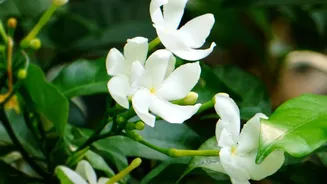
There is little that compares to the scent of jasmine mixed with the smell of rain-soaked earth. Jasmine varieties, including Mogra (Arabian jasmine), thrive in the humid monsoon weather. These climbing vines or shrubs produce delicate, fragrant white flowers that can make your balcony a sensory delight, especially in the evenings. Jasmine prefers well-drained soil and a spot with partial to full sunlight. Its ability to flourish in the rainy season makes it an excellent choice for adding both beauty and a beautiful natural fragrance to your home.
The Surprise Blooms of the Rain Lily
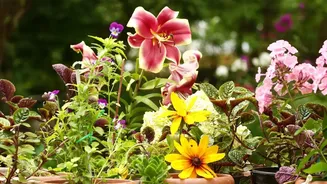
As its name suggests, the rain lily (Zephyranthes) is a plant that is synonymous with the monsoon. These small, elegant flowers often seem to appear overnight following a heavy shower, creating a magical effect. Available in white, pink, and yellow, they are incredibly low-maintenance and grow well in pots, making them perfect for balconies and terraces. They are a delightful addition that signals the arrival of the rains and adds a touch of delicate charm to your garden with very little effort required from the gardener.
Lush and Leafy Ferns
For those looking to create a dense, tropical-looking corner, ferns are an excellent choice. These foliage plants love the high humidity and indirect light that are common during the monsoon, developing lush, green fronds that add texture and a deep sense of calm to a space. They are perfect for shaded corners of a balcony where flowering plants might struggle. While they love moisture, good air circulation and drainage are important to prevent any fungal issues, so avoid packing them too tightly.
Hardy and Cheerful Periwinkle
Known as Sadabahar in India, periwinkle is one of the most reliable and low-maintenance plants for any season, but it performs especially well during the rains. It tolerates heavy downpours and blooms continuously, offering cheerful flowers in shades of pink, white, and lavender. This makes it ideal for beginners or anyone looking for consistent colour without much fuss. It can be grown in pots or hanging baskets to add a splash of colour that lasts throughout the monsoon and beyond.
Essential Monsoon Plant Care Tips
To ensure your green corner thrives, a few care essentials are crucial. First, prioritise drainage. Make sure every pot has holes and consider placing them on stands to prevent water from collecting at the base. Second, water wisely. Even though it's raining, check the soil moisture before adding more water; overwatering is the most common monsoon mistake. Third, ensure good air circulation by pruning dense foliage and removing any dead or fallen leaves, which helps prevent fungal growth. Finally, the monsoon is a great time to use organic fertilisers like compost or manure, as the rain can wash away nutrients from the soil.