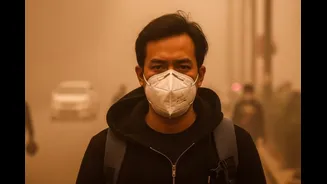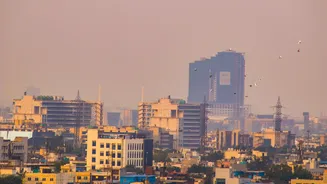





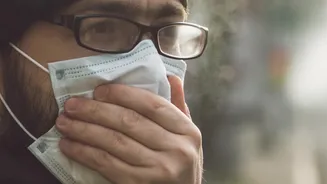


As a thick haze settles over Delhi, it affects more than just our lungs. Our eyes, constantly exposed to the toxic air, are on the front line. That familiar stinging, redness, and gritty feeling are clear signs that the smog is taking its toll.
Why Your Eyes Hate the Smog
The air
in Delhi during smog season is a harsh cocktail of pollutants, including fine particulate matter (PM2.5), nitrogen dioxide (NO2), sulphur dioxide (SO2), and ozone. These microscopic particles and gases land directly on the surface of your eyes. Your eyes are protected by a delicate, three-layer tear film that keeps them moist and clear. Pollutants disrupt this crucial barrier, causing inflammation and allowing tears to evaporate more quickly than they should. This dual attack is what leads to the widespread discomfort felt across the city, with eye specialists reporting a surge of 50-60% in complaints during peak pollution weeks.
Decoding Redness and Dryness
Redness is a direct sign of inflammation. When irritants from the smog settle on your eyes, the tiny blood vessels on the white of the eye (the conjunctiva) swell, making them more visible. This is your body's natural response to an injury or irritant. Dryness, meanwhile, is a sign that your tear film is failing. You might experience a gritty, sandy feeling, as if something is stuck in your eye. Paradoxically, your eyes might also become very watery. This is a reflex action to flush out the irritants, but these 'reflex tears' are mostly water and lack the lubricating quality of a healthy tear film, so your eyes may water while still feeling dry underneath.
Beyond Irritation: Other Potential Issues
For many, the irritation is temporary, but for others, it can lead to more persistent conditions. Smog can trigger or worsen allergic conjunctivitis, leading to intense itching and swelling. It can also exacerbate existing Dry Eye Syndrome, a condition where the eyes don't produce enough quality tears. People who wear contact lenses are particularly vulnerable, as lenses can trap pollutants against the eye's surface, increasing discomfort and the risk of infection. While more research is needed, some studies suggest a long-term link between chronic exposure to air pollution and a higher risk of serious conditions like cataracts and age-related macular degeneration.
Practical Steps for Immediate Relief
You can take simple steps to find immediate comfort. Using preservative-free lubricating eye drops, also known as artificial tears, is one of the most effective methods. These drops help to hydrate the eye's surface and flush out pollutants. It's best to avoid 'redness-relief' drops for daily use, as they can mask the problem and cause rebound redness. Applying a cool compress over closed eyes for a few minutes can soothe burning and itching. It's also crucial to avoid rubbing your eyes, no matter how much they itch. Rubbing can grind particles into the eye's surface and worsen inflammation.
How to Protect Your Eyes Daily
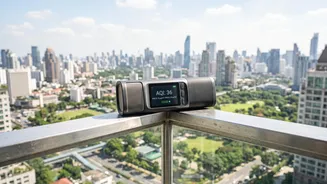
Prevention is key during smog season. Whenever you go outdoors, wear wraparound sunglasses to create a physical barrier against dust and pollutants. If you ride a two-wheeler, always keep your helmet visor down. On days with particularly high AQI levels, try to limit your time outside and consider switching from contact lenses to glasses. Indoors, an air purifier with a HEPA filter can significantly improve air quality in your home or office. Staying well hydrated by drinking plenty of water helps support your body's natural tear production. Finally, make it a habit to wash your hands and gently splash your face and closed eyes with clean water as soon as you get home.
When to Consult a Doctor
While most smog-related eye irritation is manageable at home, certain symptoms should not be ignored. If you experience severe or persistent eye pain, thick or coloured discharge, significant swelling, or any changes to your vision like persistent blurriness, it is important to see an eye specialist immediately. These could be signs of a more serious infection or corneal damage that requires professional medical treatment. If your symptoms last for more than a few days despite taking preventive measures, it's also a good idea to get a professional evaluation.