






What Exactly Is Chrononutrition?
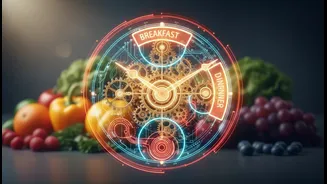
Chrononutrition is a field of science that studies the relationship between when we eat and our body's internal 24-hour clock, known as our circadian rhythm. The basic idea is that our bodies are not designed to process food with the same efficiency at all
hours of the day. This internal clock system regulates nearly all of our biological activities, from our sleep-wake cycle to our metabolism, body temperature, and hormone levels. By aligning our eating patterns with these natural rhythms, we can potentially enhance how our body digests food, uses nutrients, and stores fat. It’s a shift in focus from solely counting calories to considering the clock.
The Science of Your Body’s Clock
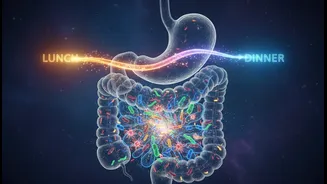
Every organ in your body, from your brain to your liver and gut, has its own internal clock. These clocks work together, synchronized by a 'master clock' in the brain called the suprachiasmatic nucleus (SCN). The main cue for this master clock is sunlight. However, the clocks in our digestive organs are powerfully influenced by another cue: the timing of our food intake. When we eat at irregular times, like snacking late at night or skipping breakfast, it can cause a disconnect between our master clock and these peripheral clocks. Researchers call this 'circadian misalignment', and it can disrupt metabolic processes. Eating at the wrong biological time can lead to less efficient calorie use and may encourage weight gain, even if your total calorie intake doesn't change.
More Than Just Weight Management
While much of the buzz around chrononutrition is linked to weight loss, its potential benefits extend much further. Aligning eating times with your body's clock may improve a variety of health markers. Research suggests it can lead to better blood sugar control, as our insulin sensitivity is naturally higher in the morning and decreases throughout the day. Some studies show that a well-timed eating schedule can also improve blood pressure, cholesterol levels, and reduce the risk of cardiometabolic diseases. Beyond metabolism, syncing your meals with your internal clock can even impact your sleep quality. Avoiding large, late-night meals allows your digestive system to rest and may contribute to more restorative sleep.
Putting Chrononutrition into Practice
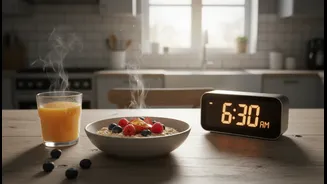
Adopting a chrononutrition approach doesn't require a radical diet overhaul. It's more about creating a consistent rhythm for your meals. A great starting point is to 'front-load' your calories, meaning you consume a larger portion of your daily food intake earlier in the day. Try to make breakfast and lunch your main meals, with a smaller, lighter dinner. It’s also beneficial to establish a consistent eating window, for instance, eating all your meals within a 10- or 12-hour period and fasting for the remainder. One of the most impactful changes you can make is to finish your last meal of the day at least two to three hours before you go to sleep. This simple adjustment helps avoid sending your digestive system into overdrive when your body is preparing for rest.
An Ancient Idea with Modern Backing
Interestingly, while the term 'chrononutrition' is modern, the concept resonates with ancient traditions, including Ayurveda in India. For thousands of years, Ayurveda has advocated for living and eating in harmony with natural cycles, emphasizing a larger meal in the middle of the day when digestive 'fire' is strongest and a light meal in the evening. Modern science is now providing a biological explanation for this age-old wisdom, confirming that our bodies are indeed primed to process food more effectively during daylight hours. This convergence of ancient knowledge and contemporary research suggests that timing is a fundamental, yet often overlooked, component of a healthy diet.