




A Catastrophe Unfolds
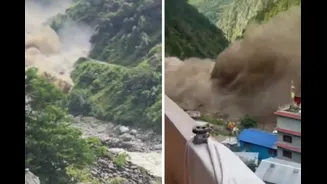
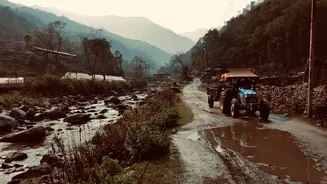
On the morning of August 26, 2026, a massive flash flood tore through Nepal's Rasuwa district, near the border with Tibet. The disaster was sudden and catastrophic, with a surge of water and debris destroying villages and critical infrastructure, including
hydropower projects that supply the nation's electricity. Hundreds of people, including tourists and workers, were reported missing as the torrent, likened to wet cement, buried buildings and vehicles. Initial confusion over the cause, with some speculating an earthquake, soon gave way to a more alarming explanation from experts: the collapse of a glacier. The seismic shock registered by sensors was not from the earth moving, but from a massive chunk of ice and rock avalanching into a valley below.
The Anatomy of a 'GLOF'
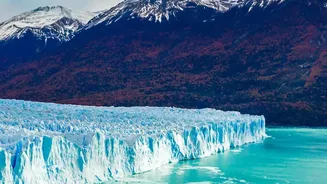
This type of event is known as a Glacial Lake Outburst Flood, or GLOF. It is one of the most dangerous hazards in high-mountain regions. As global temperatures rise, Himalayan glaciers are melting at an accelerated rate. This meltwater often pools into vast lakes, dammed by unstable walls of rock and debris (moraines) left behind by retreating glaciers. These natural dams are fragile. They can be breached by a number of triggers: a landslide or avalanche crashing into the lake, creating a massive wave that overtops the dam; an earthquake; or even just the immense pressure of the growing body of water behind it. When the dam fails, it releases the lake's entire volume in a sudden, violent flood that picks up boulders and sediment, becoming a destructive debris flow.
A 'Third Pole' Under Threat
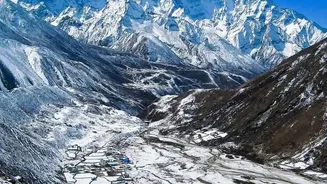
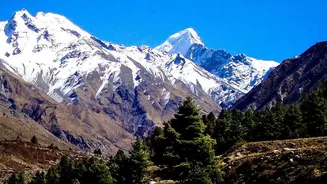
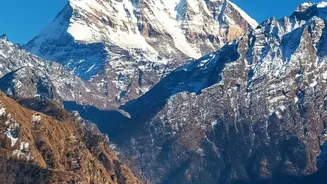
The Himalayas, often called the “Third Pole” for holding the largest mass of ice outside the polar regions, are warming faster than the global average. This has supercharged the risk of GLOFs. Scientists have identified thousands of glacial lakes across the Hindu Kush Himalaya region, many of which are expanding rapidly. A 2021 report from the International Centre for Integrated Mountain Development (ICIMOD) warned that the frequency of these events is increasing. What was once considered a once-in-a-decade event is now happening with alarming regularity, a direct consequence of a changing climate destabilizing the mountain environment. The August 26 flood was the second to hit the Lhende Khola river in just 14 months.
The Human Cost and a Shared Future
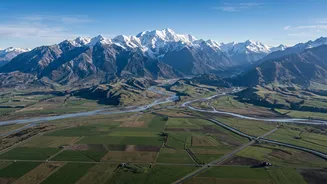
The threat is not confined to remote mountain villages. These glaciers and the rivers they feed are the lifeline for nearly two billion people downstream, including vast populations in India. The rivers that flow from Nepal and Tibet into India, such as the Bhote Koshi (which becomes the Sun Koshi) and its tributaries, are crucial for agriculture, drinking water, and hydropower. A disaster like the one in Rasuwa not only causes immediate devastation but also sends surges of water and sediment across borders, threatening downstream communities in states like Bihar and Uttar Pradesh. The destruction of hydropower plants in Nepal also has regional economic consequences. The stability of the Himalayas is a matter of shared security for South Asia.
Racing Against Time
Addressing the GLOF threat is a monumental challenge. It involves a combination of high-tech monitoring and on-the-ground preparedness. Scientists use satellite imagery to track the growth of dangerous lakes, while engineers work on complex projects to lower water levels in the most critical ones. However, the sheer number of lakes and the remoteness of the terrain make this a difficult task. Experts stress that the most crucial first step is the implementation of effective early warning systems. These systems, which can provide precious minutes or hours of warning to downstream communities, are the first line of adaptation in a warming Himalaya. The recent tragedy serves as a powerful argument for increased investment and international cooperation to protect the vulnerable populations living in the shadow of these melting giants.