
Why Steamed Snacks Shine on a Rainy Day
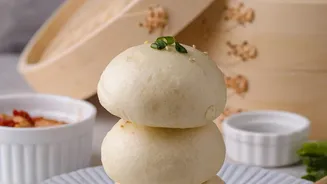
When planning a monsoon snack spread, steaming is a culinary technique you shouldn't ignore. This gentle cooking method does more than just cook food; it preserves its integrity. Unlike frying, which can overpower ingredients with oil, steaming allows
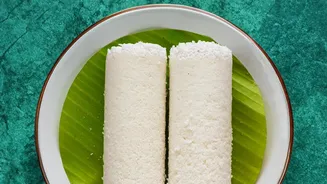
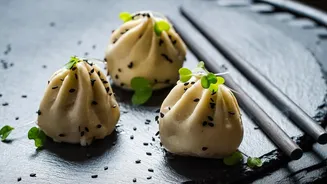
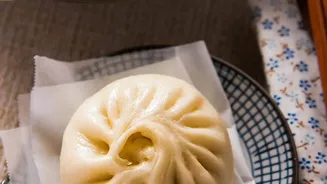
the natural flavours and textures to stand out. This method uses no added fats or oils, making the resulting snacks lighter and easier to digest. More importantly, steaming is excellent at retaining nutrients. Many essential vitamins and minerals that are lost to high heat or cooking oil during frying remain locked inside steamed foods, making them a more wholesome choice. Think of it as getting maximum flavour and goodness with minimum fuss and greasiness—a clear win for a cosy evening indoors.
Classic Steamed Delights to Try
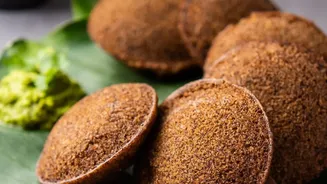
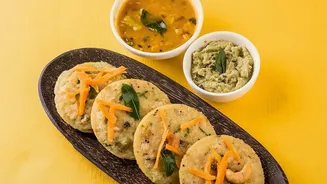
India’s culinary landscape is rich with steamed delicacies perfect for the season. The most iconic is perhaps the Gujarati dhokla, a soft, spongy, and savoury cake made from a fermented batter of gram flour (besan). It’s light, tangy, and incredibly satisfying, especially when topped with a tempering of mustard seeds and curry leaves. Another gem from the same region is patra, where colocasia leaves are slathered with a spicy gram flour paste, rolled, steamed, and then sliced. From the south, the humble idli, a soft rice cake, offers a perfect canvas for spicy sambar and chutneys. For those with a sweet tooth, modaks—rice flour dumplings filled with a mixture of coconut and jaggery—are a divine steamed treat, particularly popular during festivals but wonderful anytime.
The Magic of the Griddle
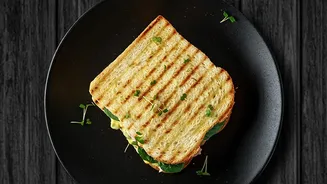
If you crave a bit of crispiness without the commitment of deep-frying, the griddle (or tava) is your best friend. Griddling involves cooking with minimal oil on a flat pan, creating snacks that are beautifully browned and crisp in spots while remaining soft and tender inside. This method imparts a slightly smoky, roasted flavour that is distinctly different from both steaming and frying. It’s a versatile technique that works for a wide range of dishes, from savoury pancakes to stuffed breads. Griddled snacks offer a satisfying texture and are often quick to prepare, making them an excellent choice for impromptu rainy-day gatherings. They prove that you don't need a vat of oil to achieve a delightful crunch.
Griddled Goodness for Your Spread
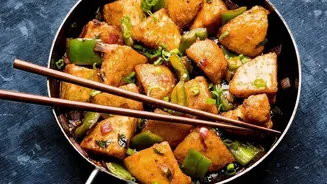
The world of griddled snacks is vast and delicious. A prime example is the moong dal chilla or pesarattu, a savoury pancake made from lentil batter that is both high in protein and incredibly tasty. These can be served plain or stuffed with paneer or chopped vegetables. Paneer tikka, traditionally made in a tandoor, can be easily adapted for a non-stick pan, giving you succulent, spiced cubes of cheese without the need for frying. Similarly, various flatbreads like thepla or even stuffed naan can be cooked on a grill pan for a wonderful texture. Even the popular aloo tikki, a spiced potato patty, can be shallow-fried on a tava with just a spoonful of oil to achieve a golden, crispy exterior.
Building the Perfect Snack Platter
A successful snack spread is all about variety and pairing. Complement your steamed dhokla and griddled chilla with an array of chutneys—a tangy tamarind, a fresh mint-coriander, and a spicy tomato chutney will cover all bases. A bowl of yoghurt or raita can provide a cooling contrast. To round out the platter, consider adding some roasted corn (bhutta), a monsoon classic, or a bowl of roasted makhana (fox nuts) for a light, crunchy element. And, of course, no rainy-evening snack session is complete without a steaming cup of masala chai to wash it all down. By combining different textures and flavours from steamed, griddled, and roasted items, you create a spread that is interesting, satisfying, and refreshingly light.