



A New Cosmic Detective on the Scene
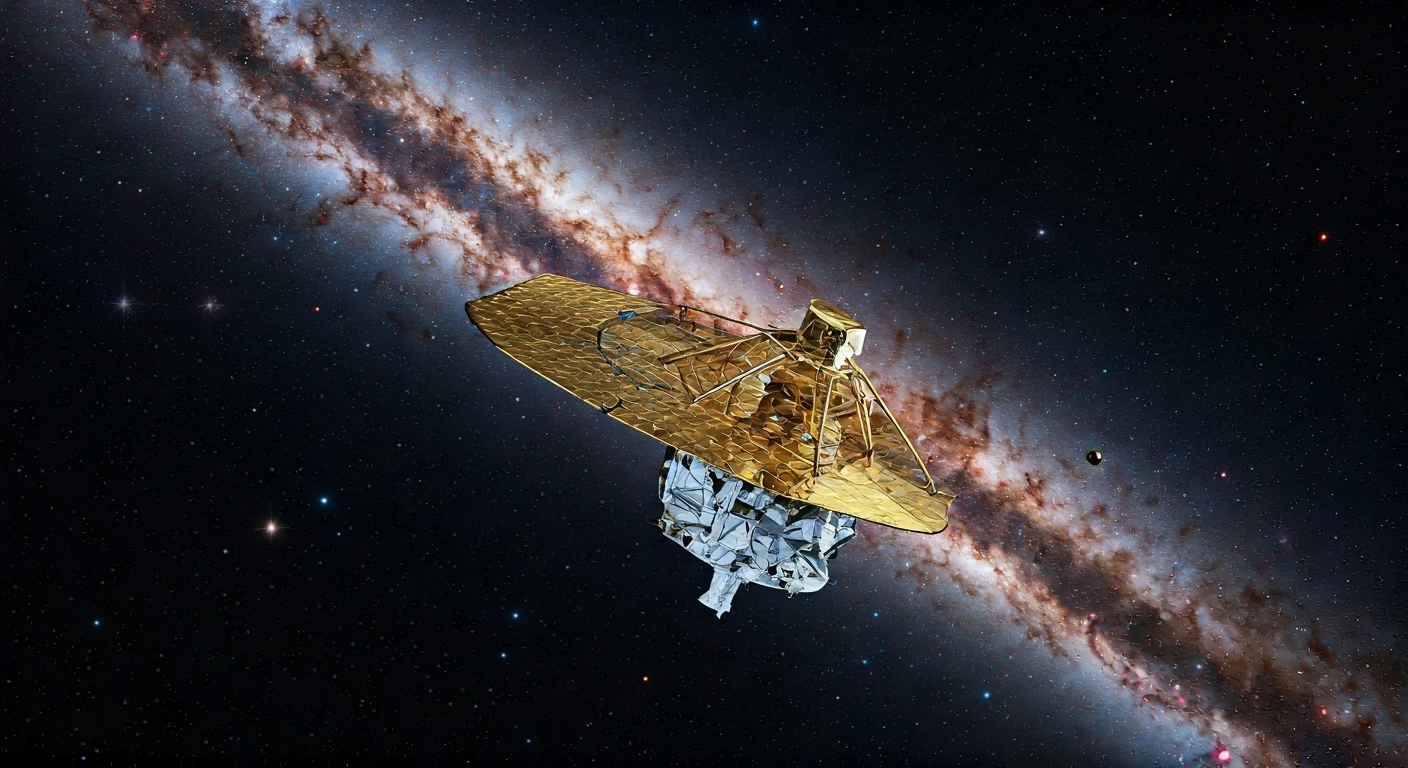
Named after Nancy Grace Roman, NASA’s first chief of astronomy and the “Mother of Hubble,” the Roman Space Telescope is the agency's next great observatory. [2] Having recently arrived at Kennedy Space Center in Florida, it's in the final stages of preparation
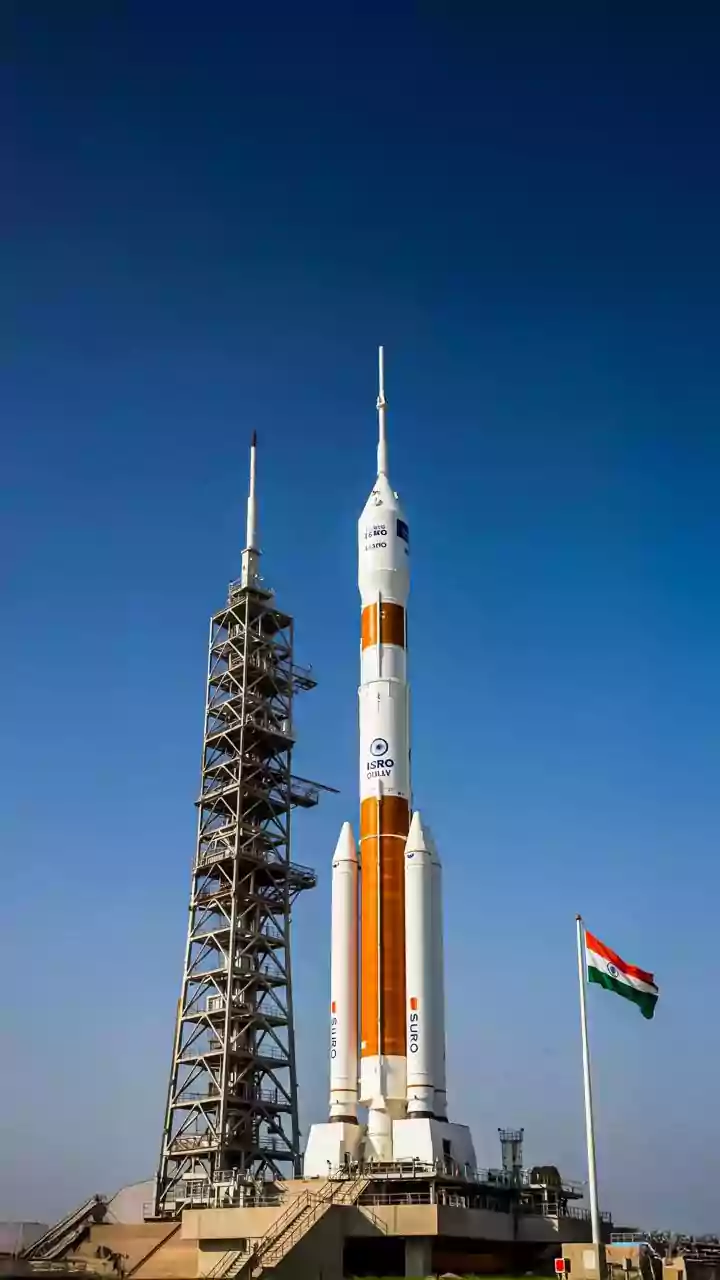
for its launch aboard a SpaceX Falcon Heavy rocket on August 30, 2026. [1, 14] The telescope itself is a marvel of engineering, built around a 2.4-meter primary mirror—the same size as Hubble's—that was donated to NASA by the National Reconnaissance Office. [1, 7] But while the mirror size is familiar, its purpose and capabilities are revolutionary. Roman's five-year primary mission has two ambitious goals: to unravel the secrets of mysterious dark energy and to conduct a sweeping census of planets beyond our solar system. [7, 12]
Seeing Wider, Not Just Deeper
The key difference that sets Roman apart from its predecessors, like Hubble and the James Webb Space Telescope (JWST), is its immense field of view. Its Wide Field Instrument (WFI) will be able to capture a patch of the sky at least 100 times larger than Hubble can in a single snapshot, all while maintaining the same sharp, high-resolution quality. [1, 8, 15] Think of it this way: where Hubble and Webb provide exquisitely detailed but narrow glimpses into the cosmos—like looking through a keyhole—Roman throws open a panoramic window. [10] This allows it to map vast swathes of the universe with incredible efficiency, creating datasets so large they are expected to fuel astronomical research for decades. [15] While a Hubble deep field image took weeks of observation to reveal a few thousand galaxies, a similar effort from Roman could capture millions in the same amount of time. [10]
Hunting for the Universe's Missing Pieces
One of Roman’s primary targets is one of the biggest mysteries in physics: dark energy. This enigmatic force is believed to be responsible for the accelerating expansion of the universe, but scientists don't know what it is. [9, 17] Roman will tackle this problem by conducting massive surveys of billions of galaxies and thousands of exploding stars called Type Ia supernovae. [17, 19] By precisely measuring their distances and how they are distributed across cosmic time, astronomers can create a 3D map of the universe's expansion history. [9, 19] This will test Albert Einstein's theory of general relativity on cosmic scales and provide crucial clues about the nature of the 'dark' 95% of the universe. [1, 17]
A Galactic Planet Census
Beyond cosmology, Roman is poised to transform the hunt for exoplanets. While missions like Kepler and TESS were designed to stare at patches of stars waiting for planets to pass in front of them, Roman will employ a different technique called gravitational microlensing. [1, 12] This method can detect planets, including smaller rocky worlds and even free-floating 'rogue' planets not orbiting a star, by observing how their gravity bends and magnifies the light from a more distant star behind them. [12, 15] The mission is expected to discover thousands of new exoplanets, providing a statistical census of worlds in our galaxy and helping us understand how common planetary systems like our own truly are. [12] In addition, a technology demonstrator called the Coronagraph Instrument will attempt to directly image large, Jupiter-like planets by blocking the overwhelming glare of their host stars. [3, 16]
A Perfect Partner for Webb
Roman is not a replacement for JWST but rather a powerful partner. The two telescopes are designed to be complementary. Roman is a survey telescope, built to efficiently scan the sky and identify countless new targets of interest. [10] JWST, with its larger mirror and extreme sensitivity to faint infrared light, is a deep-dive observatory perfect for studying those targets in painstaking detail. Roman will find the cosmic needles in the haystack; Webb will then zoom in to analyze them. For example, Roman might discover thousands of distant, powerful quasars, and scientists could then use Webb to study the most intriguing ones to understand how supermassive black holes grow. This synergy will accelerate the pace of discovery, allowing astronomers to answer questions that neither observatory could tackle alone.