




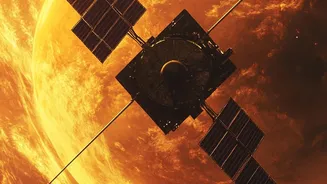
The Sun’s Invisible Threat
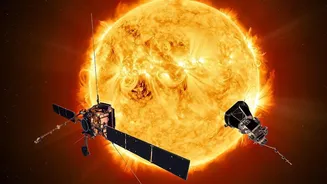
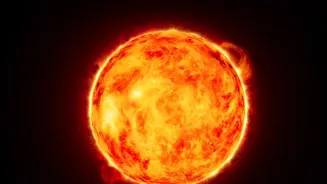
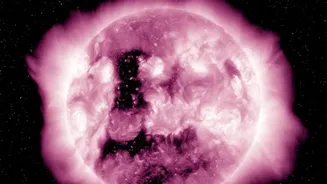
The sun, our source of light and life, has a violent side. It periodically ejects billions of tons of charged particles and magnetic fields in events known as Coronal Mass Ejections (CMEs) or unleashes intense bursts of radiation called solar flares.
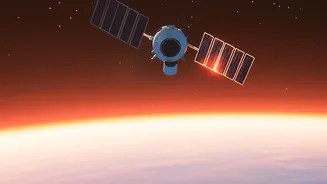
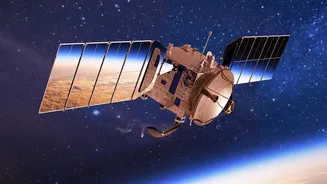
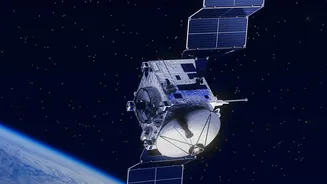
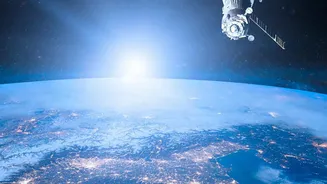
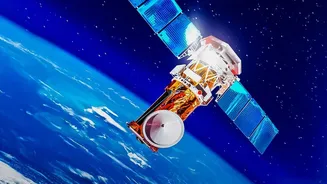
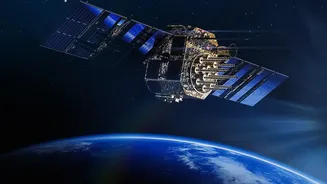
While Earth's magnetic field protects us on the ground, the thousands of satellites in orbit are highly vulnerable. These solar outbursts can fry sensitive electronics, degrade solar panels, disrupt communications, and even cause satellites to lose altitude due to increased atmospheric drag. A severe event, like the historic Carrington Event of 1859, could cripple modern technology if it happened today, causing trillions of dollars in economic damage and bringing GPS, banking, and communication networks to a halt.
A Global Network on High Alert
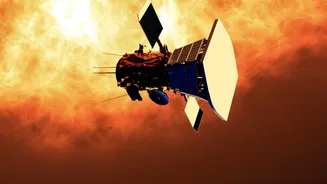
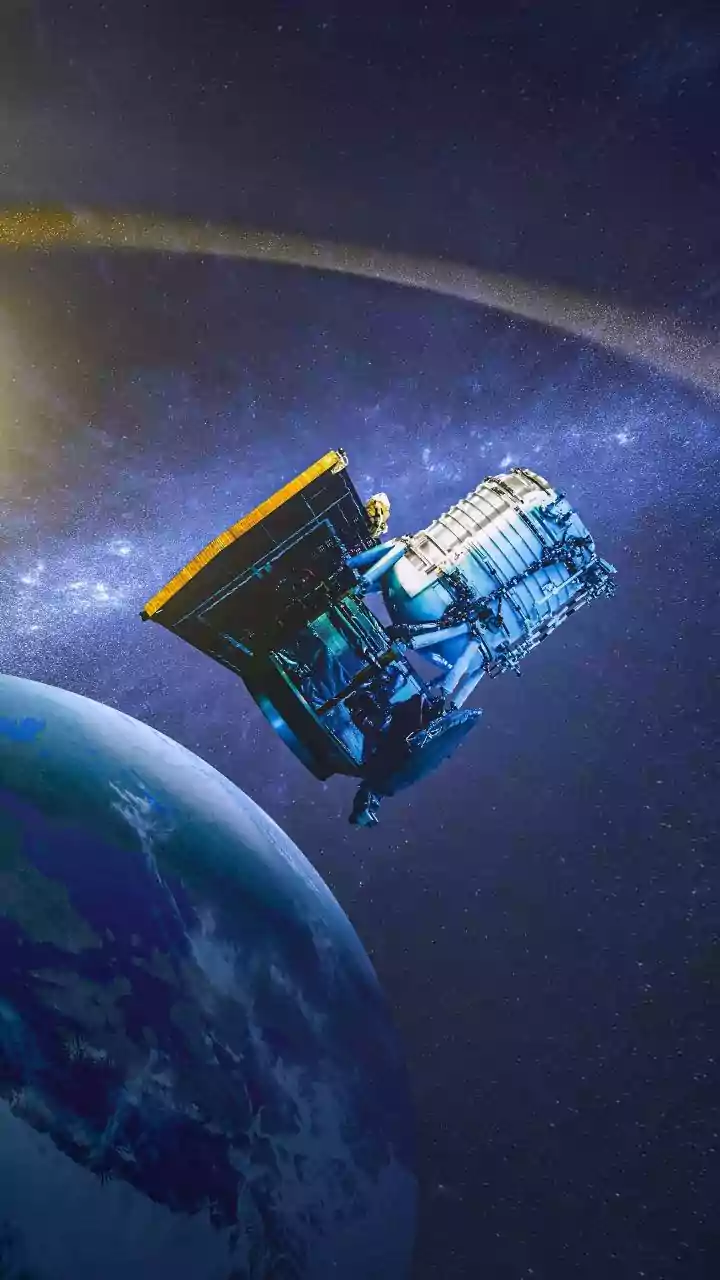
To counter this threat, a global network of eyes keeps a constant watch on the sun. This effort is led by organisations like the NOAA Space Weather Prediction Center (SWPC) in the United States and the European Space Agency's (ESA) Space Weather Service Network. They use a fleet of dedicated spacecraft, such as the Deep Space Climate Observatory (DSCOVR), which is positioned about 1.5 million kilometres from Earth. From this vantage point, DSCOVR monitors the solar wind in real-time, acting as a celestial buoy that can provide a crucial early warning—from minutes to hours—before a storm hits our planet. This data is combined with observations from other satellites like the GOES series, which constantly images the sun, allowing scientists to track solar activity as it develops.
From Warning to Protective Action
An early warning is useless without action. When the SWPC or ESA issues a watch or warning, satellite operators around the world spring into action. Depending on the severity of the forecast, operators can take several protective measures. They might command a satellite to enter a 'safe mode,' powering down non-essential and sensitive electronic systems to prevent them from being fried by high-energy particles. They can also reorient a spacecraft to ensure its most critical components are shielded. For satellites in low-Earth orbit, which are susceptible to increased atmospheric drag during a storm, operators can plan for corrective thruster burns to maintain their correct altitude and avoid potential collisions. These advanced warnings have proven to be extremely helpful in giving mission teams the time they need to safeguard their multi-million dollar assets.
The High Stakes of Staying Connected
The success of these monitoring networks is more than just a technical achievement; it's a critical component of our global economy. In India and across the world, our daily lives are deeply intertwined with space technology. The NavIC and GPS systems that guide our transportation and logistics depend on satellite signals. Financial markets rely on precise timing signals from satellites for high-frequency trading, and television broadcasting, weather forecasting, and mobile communications are all routed through space. A disruption to these services would have immediate and cascading effects on nearly every industry. Therefore, the work done by space weather forecasters is an essential, albeit invisible, service that protects the technological backbone of modern society and prevents potentially catastrophic economic losses.