






Understanding a Butterfly's Needs
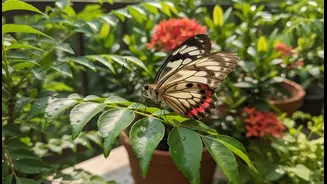
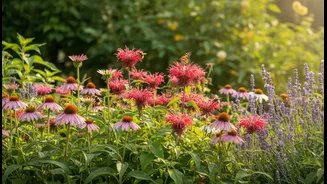
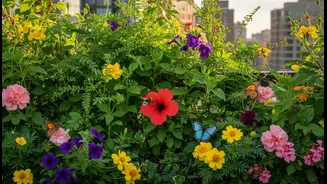
Creating a butterfly haven involves a simple two-part strategy. First, butterflies need nectar-rich flowers for energy. These are the adult butterflies' food source. Think of them as colourful cafes offering a high-energy drink. Second, to encourage them to stay
and multiply, you need host plants. These are the specific plants where butterflies lay their eggs and their caterpillars feed. By planting a mix of both, you support their entire life cycle, ensuring a steady stream of visitors.
Lantana: The Hardy Magnet
If there is one plant that's a must-have for any butterfly enthusiast in India, it's Lantana. This low-maintenance shrub produces dense clusters of small, brightly coloured flowers that are irresistible to a wide variety of species, including the Common Mormon and Lime Butterfly. Lantana loves hot weather and full sun, making it perfectly suited to most Indian climates. It thrives in pots or as a groundcover and blooms almost all year round, providing a reliable food source.
Marigold (Genda): A Cheerful Classic
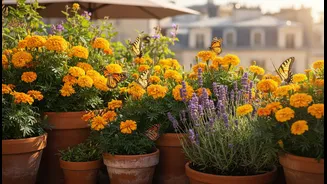
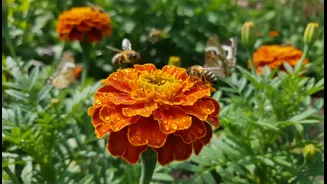
A staple in Indian gardens for good reason, the vibrant yellows and oranges of Marigolds act like a glowing invitation for butterflies. These cheerful flowers are rich in nectar and their open-faced, single-petal varieties are particularly easy for butterflies like the Tawny Coster to land on and feed from. Marigolds are famously easy to grow from seed, thrive in full sun, and are naturally pest-resistant, making them an excellent choice for beginner gardeners. They work beautifully in pots, borders, and vegetable patches, where they also help deter unwanted insects.
Pentas: The Year-Round Star
Known for its star-shaped flowers that bloom in dense clusters of red, pink, purple, or white, Pentas is a true butterfly magnet. This hardy plant blooms throughout the year, providing a constant supply of nectar for species like the Blue Pansy and Common Leopard. Pentas do well in spots with full sun but can tolerate some shade. They prefer moist, well-drained soil and regular watering. Deadheading spent flowers will encourage the plant to produce even more blooms, keeping your garden busy with visitors.
Milkweed (Aak): The Critical Host
While nectar plants feed the adults, Milkweed serves a more vital role: it's a host plant. In India, native Milkweed species like Calotropis are crucial for the life cycle of Tiger butterflies. The butterflies lay their eggs exclusively on these plants, and their caterpillars feed on the leaves. The toxins in the leaves are ingested by the caterpillars, making them and the resulting butterflies toxic to predators—a clever defence mechanism. Planting milkweed is one of the most effective ways to support local butterfly populations from one generation to the next.
Curry Leaf (Kadi Patta): More Than a Herb
The humble Curry Leaf plant, a fixture in many Indian kitchens, has a secret life as a butterfly host plant. It is the preferred host for the striking Common Mormon and Lime butterflies, whose caterpillars feast on its aromatic leaves. Growing a curry leaf tree not only provides you with fresh leaves for your cooking but also creates a nursery for these beautiful species. It’s a perfect example of a dual-purpose plant that supports both your home and the local ecosystem.
Ixora: A Tropical Delight
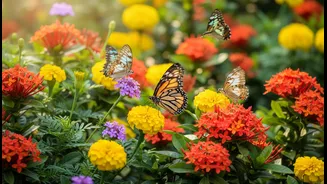
Often called the 'flame of the woods', Ixora produces stunning, tight bunches of fiery red, orange, and yellow flowers. These dense clusters allow multiple butterflies to feed at once, turning the shrub into a social hub. Species like the Common Jezebel are particularly fond of it. Ixora loves the warmth and humidity typical of many parts of India and thrives in sunny spots with slightly acidic soil. It's a popular landscaping shrub that brings a burst of tropical colour and life to any garden.