
Your Phone is a Window to the Cosmos
Modern stargazing apps transform your phone into a portable planetarium. They use your device's built-in GPS, compass, and motion sensors to know exactly where you are and which way you're pointing. When you aim your phone at the sky, the app overlays
a map of celestial objects onto your screen in real time using augmented reality (AR). This means you can see labels for stars, planets, and constellations right through your camera, day or night. Many apps work without Wi-Fi or cellular service, making them perfect for finding a dark spot away from city lights.
Top Apps to Get You Started
For beginners, the sheer number of apps can be daunting. The key is to start with one that is intuitive and free. SkyView Lite is a fantastic choice, praised for its simple point-and-identify interface and AR features. Star Walk 2 is another great option for beginners, offering appealing visuals and satellite tracking even in the free version. For those who want a remarkably clean and realistic map, Stellarium Mobile's free version is a top pick among amateur astronomers. These apps provide more than enough power to get you started without costing a thing.
How to Find Jupiter and Saturn
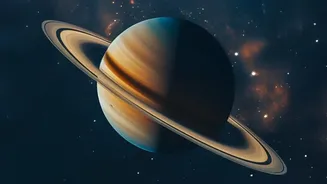
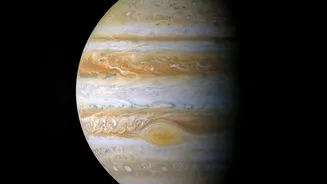
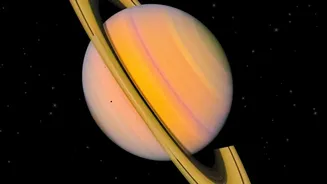
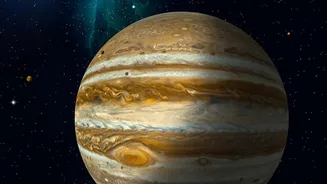
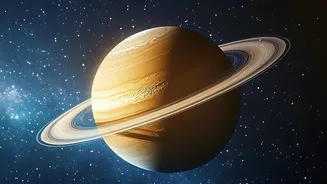
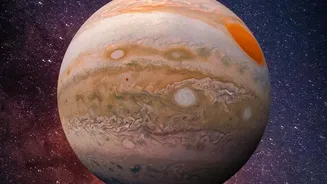
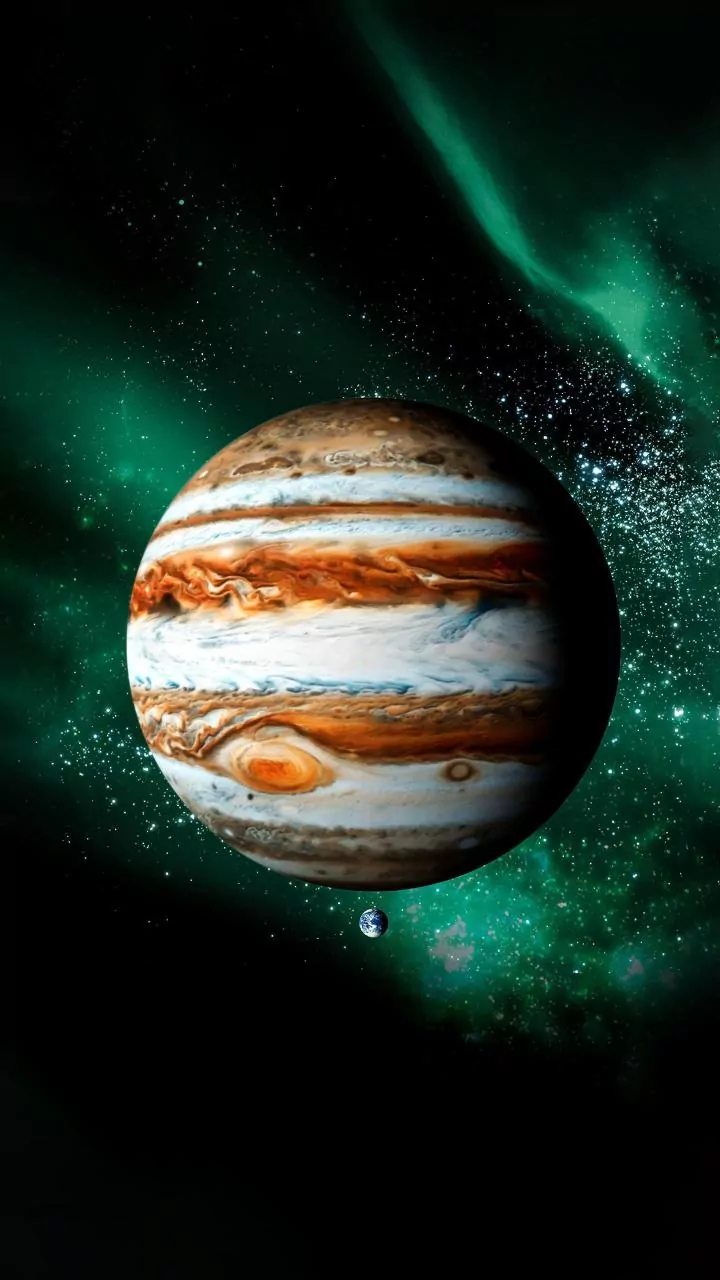
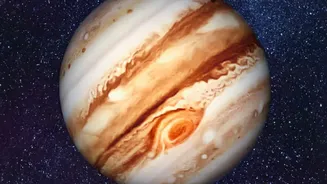
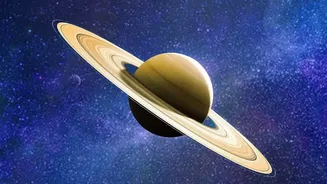
Finding a specific planet is one of the most rewarding first steps. In late August 2026, Saturn is the star of the show, rising earlier each evening and becoming a brilliant target. Jupiter, on the other hand, is a pre-dawn object, visible very low in the sky just before sunrise. To find them, use your app's search function—usually a magnifying glass icon. Type in "Saturn" or "Jupiter." The app will then display an arrow or guide on your screen. Simply move your phone in the direction of the arrow until the planet is centred on your screen. The app will have you pointing right at it in the real sky.
Catching a Glimpse of the Space Station
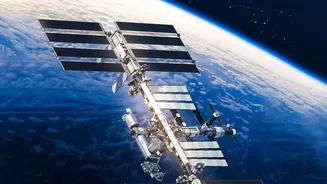
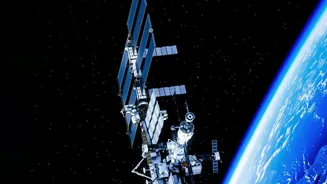
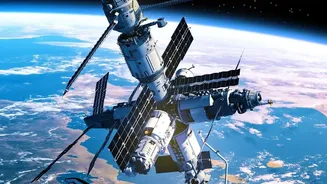
Spotting the International Space Station (ISS) as it silently glides across the sky is a unique thrill. It looks like a very bright, fast-moving star with no blinking lights. While general stargazing apps can track it, dedicated apps like ISS Detector and NASA's official Spot The Station app excel at this. These apps provide precise predictions for when the ISS will be visible from your specific location. They can send you notifications minutes before a pass is about to happen, so you have time to get outside and look up. Satellite Tracker by Star Walk is another powerful free option that can alert you to ISS flyovers.
Tips for the Best Viewing Experience
A great app is just one part of the equation. To make the most of your skywatching session, try to get away from bright city lights, which wash out fainter stars. Give your eyes at least 15-20 minutes to fully adjust to the darkness; you'll be amazed at how much more you can see. Most stargazing apps have a "Night Mode" feature that turns the screen red. This is crucial because red light has less impact on your night vision than the standard white light from your phone's screen. Finally, always check the weather forecast. A clear sky is the most important ingredient for a successful night of stargazing.