


What Exactly Are Nigella Seeds?
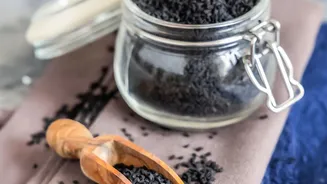
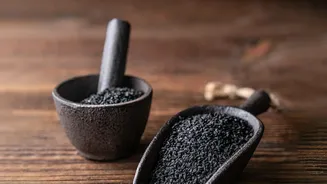
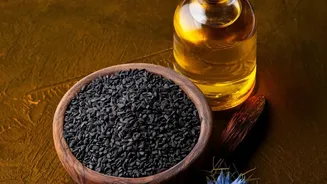
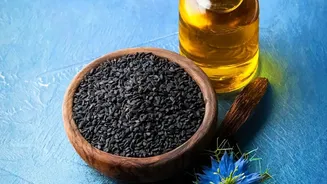
Often found in Indian kitchens under the name 'kalonji', Nigella seeds come from the Nigella sativa plant, a member of the buttercup family native to Asia. These small, matte black, angular seeds are frequently confused with black sesame seeds or black cumin.
A common but misleading nickname is 'onion seeds', which likely arose from their faint onion-like aroma, but they are not related to the onion family at all. Their appearance is distinct: they are more triangular or teardrop-shaped than the smooth, oval black sesame seed. This ancient spice has been used for centuries, adding a unique visual and textural element to countless dishes.
A Uniquely Savoury Flavour
The magic of Nigella seeds lies in their complex flavour profile. When raw, they have a noticeable peppery bite and a slight bitterness. However, when toasted or baked, their character transforms. The flavour is often described as a combination of onion, black pepper, and oregano. This pungent, earthy, and nutty taste is what lends such a distinctive character to breads and other baked goods. Unlike many other seeds used in baking, kalonji offers a purely savoury note, cutting through the richness of buttery doughs and complementing other spices without overpowering them.
The Soul of Bakery Breads
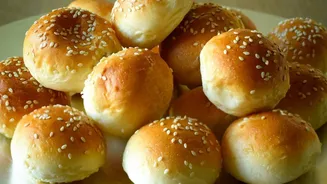
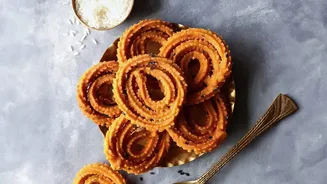
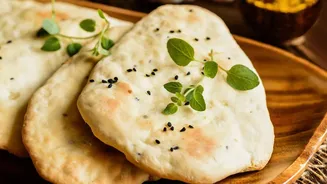
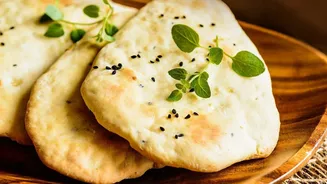
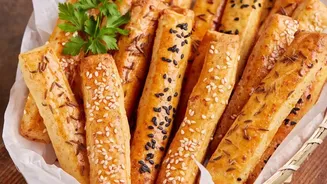
In India, kalonji is a staple topping for flatbreads, most famously naan. Walk into many bakeries, and you will find freshly baked naan and kulcha breads generously sprinkled with these black seeds, which toast beautifully in the intense heat of the tandoor. But their use extends far beyond naan. They are kneaded into the dough for savoury buns, parathas, and fried breads like pooris. They are also a key component in savoury biscuits and fried snacks called 'nimki' or 'namkeen', where they provide both flavour and a delightful crunch. The aroma of kalonji toasting on bread is deeply ingrained in the culture, signalling that something fresh and delicious is nearby.
How to Use Kalonji in Your Baking
Incorporating Nigella seeds into your home baking is incredibly simple. The most common method is to sprinkle them over your dough just before baking. For flatbreads like naan or kulcha, brush the surface with a little milk, water, or melted butter to help the seeds adhere, then press them in gently before placing the bread in the oven or on a hot pan. Toasting the seeds briefly in a dry pan for 30 to 60 seconds before use can enhance their nutty, oniony notes, but be careful not to scorch them, as they can turn harsh and bitter quickly.
Beyond Just a Topping
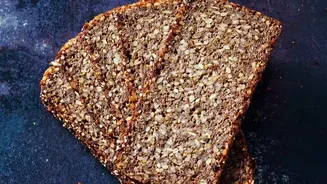
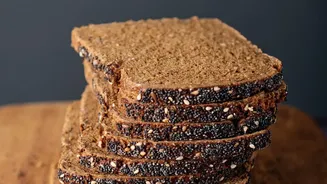
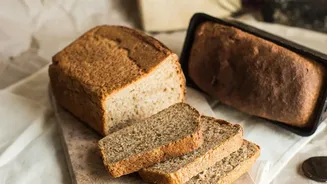
While using them as a topping is classic, don't hesitate to mix Nigella seeds directly into your bread dough. This infuses the entire loaf with their distinct, peppery character. About one to two teaspoons of seeds per standard loaf or batch of buns is a good starting point. This method works wonderfully for savoury buns, whole wheat crackers, and even some sourdough recipes. When mixed into the dough, the seeds soften slightly during baking, releasing their flavour more subtly throughout the bread's crumb. Whether used inside or out, kalonji provides a savoury depth that is hard to replicate.