





What Are We Even Talking About?
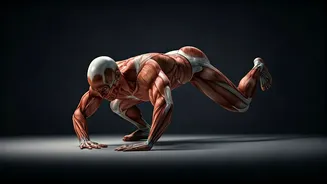
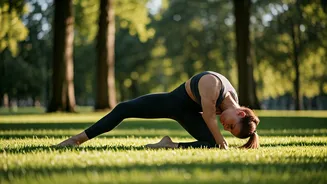
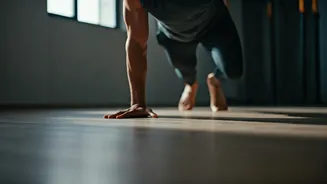
First, let's get on the same page. When we talk about crawling, we’re not talking about a baby’s first shuffle. We’re referring to a category of 'primal' or 'quadrupedal' movements where you support your body on your hands and feet. The most common variation
you’ll see is the bear crawl: knees bent and hovering just an inch or two off the floor, you move opposite arm and opposite leg forward in a slow, controlled motion. But the family is diverse, including the lizard crawl (lower to the ground, wider stance) and the army crawl (on your forearms and toes). The key element is that your core must work overtime to keep your torso stable and your hips from swaying. It’s a foundational human movement pattern we master as infants to build strength and coordination, and then promptly forget as adults.
A Full-Body Workout in Disguise
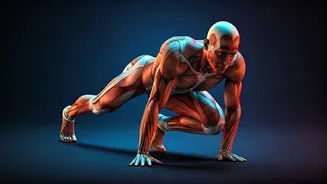
The initial appeal for many is the promise of a rock-solid core, and crawling absolutely delivers. To keep your back flat and prevent your hips from rotating, your entire abdominal wall, obliques, and lower back have to fire in unison. But calling it a 'core exercise' is a massive understatement. Your shoulders and triceps are working to stabilise and push. Your quads and glutes are engaged to hold your knees off the ground and propel you forward. It's a true total-body exercise that builds strength, endurance, and stability simultaneously. Trainers love it because it’s a compound movement that delivers a huge metabolic bang for your buck, training muscles to work together as a system—which is exactly how you use your body in real life, whether you’re lifting groceries or playing with your kids.
The Brain-Body Connection
Beyond the muscle burn, crawling does something remarkable for your brain. Moving opposite limbs in a coordinated pattern is known as contralateral movement. This action strengthens the corpus callosum, the neural bridge that connects the left and right hemispheres of your brain. This enhanced communication can improve overall cognitive function, coordination, and balance. It also seriously challenges your proprioception—your body's awareness of itself in space. You have to constantly think about where your hands, feet, and hips are. This mindful, focused nature of crawling makes it a form of active meditation for some, forcing you out of your head and into your body in a way that running on a treadmill rarely does.
Why Now? The Back-to-Basics Rebellion
The rise of crawling feels like a direct response to the hyper-commercialised, tech-heavy state of modern fitness. It requires zero equipment, zero fancy studio memberships, and very little space. It's an accessible, democratic form of exercise that strips everything back to just you and the floor. In a world of smart mirrors, connected bikes, and complex isolation machines, there is a powerful appeal in returning to a fundamental, almost primal, pattern of movement. It’s also incredibly scalable. A beginner can hold a static beast pose for 30 seconds, while an advanced athlete can crawl for distance or add resistance bands. This versatility makes it perfect for online fitness programs that need to cater to a wide range of abilities.
Perfect for the 'Gram
Let’s be honest: it also looks incredibly cool. A well-executed bear crawl is a display of quiet strength, control, and athleticism. It’s a scroll-stopper on Instagram or TikTok because it’s unusual. It’s not another bicep curl or squat. It's dynamic, visually interesting, and signals a certain level of fitness knowledge. For online fitness creators, it's fresh content that stands out. For their followers, mastering the crawl becomes a tangible, shareable fitness goal. This visual appeal has undoubtedly been a massive engine for its popularity, turning a humble physical therapy drill into a bona fide social media trend.