

Know Your Players: Chana vs. Dal
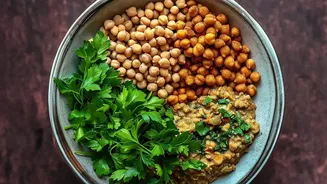
First, let's get our terminology straight, because it makes all the difference. 'Chana' typically refers to whole chickpeas. The most common variety is the large, beige Kabuli chana, which is firm, starchy, and robust. These are whole, unprocessed seeds
with their skin intact. 'Dal,' on the other hand, is a broader term. While it can mean a lentil-based dish, in the context of ingredients, it usually refers to split pulses. This includes popular varieties like toor dal (split pigeon peas), masoor dal (red lentils), and moong dal (split mung beans). The crucial word here is 'split'. These lentils have had their outer husk removed and have been split in half. This physical difference—whole and protected versus split and exposed—is the primary reason they require entirely different cooking strategies.
The Crucial Step: To Soak or Not to Soak
Herein lies the biggest divergence. Whole chickpeas absolutely benefit from a long soak, ideally for at least 8-12 hours or even overnight. Chickpeas are large, dense, and dry. Soaking does two things: first, it rehydrates the seed, which significantly reduces the cooking time. An unsoaked chickpea can take an eternity to soften. Second, soaking helps break down complex sugars called oligosaccharides, which can cause digestive discomfort and bloating. Discarding the soaking water gets rid of these compounds, making the chickpeas easier on your stomach. Split lentils, however, are a different story. For most common dals like masoor or toor, soaking is not necessary. Because they are small and have no protective skin, they absorb water and cook very quickly, often in just 15-20 minutes. In fact, a long soak can be detrimental, causing them to turn to complete mush before you even want them to.
A Tale of Two Cooking Times
Because of their size and structure, the cooking process for chickpeas and split lentils is worlds apart. Even after soaking, whole chickpeas require a substantial amount of cooking time to become tender. In a pressure cooker, this can take anywhere from 15 to 30 minutes after the first whistle, depending on the age and quality of the chickpeas. On an open stovetop, you could be looking at an hour or more. The goal is to make them tender enough to be easily mashed, but still hold their shape for dishes like chana masala. Conversely, split lentils are the champions of a quick weeknight meal. Toor dal cooks in about 15-20 minutes in a pressure cooker, and red lentils (masoor dal) can be done on the stovetop in a similar amount of time. Their cooking plan is short and swift. Overcooking them is a common mistake; they will break down completely, which is great if you want a creamy puree, but not if you wanted some texture.
The Desired Destination: Texture and Purpose
Ultimately, the different plans lead to different culinary goals. With whole chickpeas, the aim is to achieve a tender, creamy interior while maintaining the bean's individual shape and a pleasant, firm bite. They are the star of the show, providing a 'meaty' texture in curries, salads, and snacks. You want to be able to identify each chickpea. For most everyday dal recipes using split lentils, the goal is the opposite. The lentils are cooked until they break down and collapse, melting into a harmonious, thick, and creamy soup. They are the foundation of the dish's body and texture. While some dals, like chana dal (split chickpeas, not to be confused with whole ones!), can hold their shape a bit more, the softest dals like masoor and moong are prized for their ability to dissolve into a comforting, soupy consistency.