



The Turning of the Tides
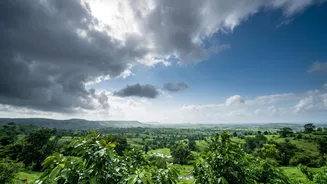
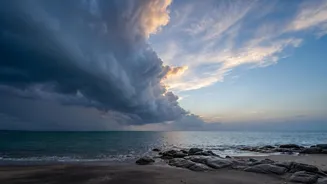
The southwest monsoon has entered its final phase. According to the India Meteorological Department (IMD) and other forecasters, conditions are becoming favorable for a retreat. While satellite images show dramatically reduced cloud cover over northwest
and central India, the official withdrawal is a gradual process. Typically starting from northwest India around mid-September, the withdrawal is declared after criteria like a five-day cessation of rain and changes in atmospheric patterns are met. This year, projections suggest the formal process could begin after September 15th, with a key atmospheric feature, the monsoon anticyclone, expected to strengthen around September 21. This signals the start of clearer skies, lower humidity, and a definitive end to the season's persistent rains across the northern and central plains.
Your Travel Plans Might Shift
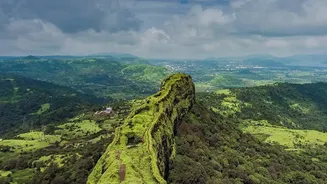
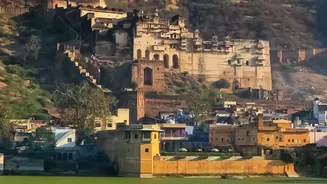
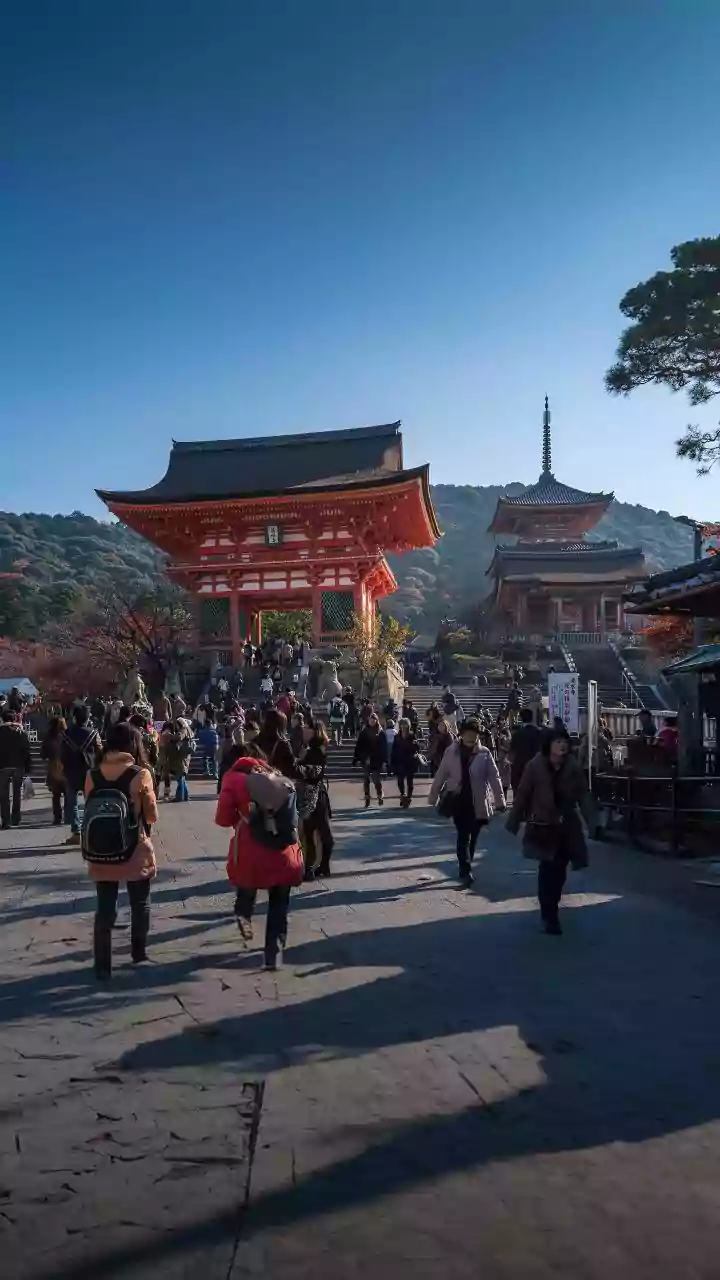
For those with wanderlust, the post-monsoon period is a golden opportunity. The end of heavy rains means fewer flight delays and cancellations due to weather. Road travel also becomes more reliable as the risk of waterlogging and landslides diminishes, although lingering damage from the season can still cause issues. This is an ideal time to plan trips to destinations that were inaccessible or less appealing during the peak monsoon. National parks begin to reopen, and the freshly washed landscapes offer stunning scenery. However, the transition can be erratic. While one part of the country sees clear skies, another might still experience active rainfall, so checking local forecasts remains crucial when finalising travel itineraries.
Rethinking Your Daily Commute
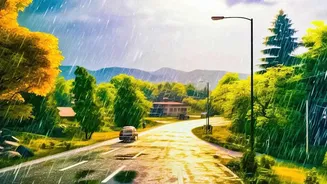
The daily battle with waterlogged streets and traffic snarls will soon be a memory for many urban dwellers. As the rains recede, commutes are expected to become smoother. Public transport schedules should return to normal, free from the disruptions caused by flooded tracks and roads. However, the change in season brings its own challenges. The drier weather can lead to an increase in dust and pollution. Furthermore, the evening light will begin to fade earlier, a small but noticeable change in the daily routine. It's a time to transition from raincoats and waterproof bags to masks and sunglasses.
Health and Home Adjustments
While we say goodbye to the common cold and flu associated with getting drenched, the post-monsoon period brings its own set of health concerns. The stagnant water left behind by retreating rains creates perfect breeding grounds for mosquitoes, leading to a spike in vector-borne diseases like dengue, malaria, and chikungunya. It's essential to be vigilant about eliminating stagnant water around homes and using repellents. At home, it's time for a seasonal shift. This is the moment to air out damp clothes and furnishings, check for mould or mildew that may have developed during the wet months, and pack away rain gear. The shift from a humid to a drier environment requires a change in your skincare and wellness routines as well.
Embrace the New Season
The withdrawal of the monsoon ushers in what is often considered the most pleasant time of year in many parts of India. The oppressive humidity gives way to comfortable, dry weather, opening up a world of outdoor activities. Morning walks, evening park visits, and outdoor sports become enjoyable again. This period also marks the beginning of the festive season across the country, and the clear weather provides the perfect backdrop for celebrations. The change in atmosphere brings a psychological lift, as months of grey skies are replaced by sunshine. It’s a time for new beginnings, from the crops sown by farmers to the simple joy of being able to plan a weekend without checking the rain forecast.