






Breaking Down the 9% Growth
In July 2026, Indian Railways transported 141.3 million tonnes of goods, a significant 9% increase from the 129.7 million tonnes moved in the same month last year. This isn't just a random spike; it reflects sustained demand from core sectors that form
the bedrock of the Indian economy. The growth was primarily driven by essential commodities. Iron ore loading surged by an impressive 22.2%, while fertilisers saw a 12% increase. Crucially, coal and food grains, two staples of the railway freight basket, both grew by 11.5%. The increased movement of coal, in particular, was vital, with supplies to thermal power plants rising 20% compared to the previous July, ensuring the nation's energy security. This broad-based growth across industrial, agricultural, and energy-related goods suggests a resilient and expanding economy.
What Is Rail Capacity and Why Does It Matter?
Think of rail capacity as the total volume of train traffic a network can handle efficiently within a given time. It’s not a single, fixed number; it depends on factors like track infrastructure, signalling systems, train speed, and the mix of passenger and freight trains. For decades, India's main railway lines have been congested, with both passenger and freight trains sharing the same tracks. This often forces freight trains to wait, slowing down the movement of goods and increasing logistics costs for businesses. Maximising capacity is about more than just laying new track. It involves running trains faster, reducing turnaround times at terminals, and scheduling services intelligently to squeeze more out of the existing network. For a growing economy, having adequate rail capacity is non-negotiable. It ensures raw materials reach factories on time and finished products get to markets efficiently, which helps control inflation and makes Indian industries more competitive globally.
The Game-Changer: Dedicated Freight Corridors
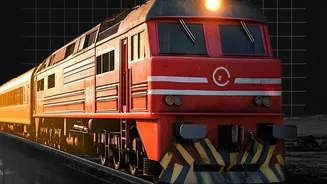
A key reason for improved freight performance is the phased commissioning of Dedicated Freight Corridors (DFCs). These are exclusive, high-capacity railway lines built solely for transporting goods. By separating freight from passenger traffic, DFCs allow goods trains to run at significantly higher speeds—averaging 50-60 km/h compared to 20-25 km/h on congested, mixed-use routes. This operational separation means longer, heavier trains can be run, including double-stack container trains on the Western DFC, dramatically increasing the volume of cargo moved per train. The impact is clear: reduced transit times, lower logistics costs, and greater reliability for businesses. These corridors are effectively becoming the superhighways of India’s rail logistics network, helping to decongest the main lines and improve the efficiency of the entire system.
The Road Ahead: Challenges and Ambitions
While the July growth figures are encouraging, the journey is far from over. Indian Railways has an ambitious goal under its National Rail Plan (NRP) to increase its share of the country's total freight movement to 45% by 2030, a significant jump from the current 25-27%. Achieving this target requires overcoming several challenges. One major hurdle is diversifying the freight basket beyond a few bulk commodities like coal and iron ore to include more containerised and high-value goods like automobiles and consumer durables. Furthermore, expanding capacity is a continuous effort. Indian Railways is planning a massive infrastructure push, with over 400 projects aimed at strengthening the network by 2032. These investments are crucial not just for freight, but for improving passenger services as well. The goal is to create capacity ahead of demand, ensuring the railway system can support India’s economic growth for decades to come.