





From Tourist to Traveller
For decades, the Indian holiday was a predictable affair: a whirlwind tour of famous sights, a few frantic shopping sprees, and a checklist of photo opportunities. But a delicious shift is underway. Travellers are trading the passive act of seeing for
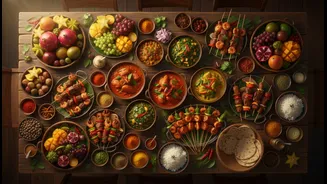
the immersive act of tasting. This is 'food-first' travel, where the menu dictates the map. Recent reports show that a significant number of Indian travellers, nearly 40% according to one travel platform, now consider a destination's cuisine a major factor when planning a trip. It's an evolution from being a mere tourist to becoming an active participant in a place's culture, with food as the universal language.
The Flavour of Local Life
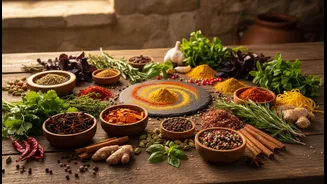
What makes a food-focused trip so personal? It’s the move away from generic, five-star buffets and towards experiences that are deeply rooted in place and tradition. Think of learning to cook a complex Rajasthani Laal Maas from a family in Udaipur, joining a 'dabbawala' in Mumbai to understand the city's unique lunch delivery system, or wandering through spice plantations in Kerala. These activities are more than just meals; they are interactive stories. They connect you with local artisans, producers, and home cooks, offering a genuine glimpse into daily life that a monument tour rarely can. This approach fosters a deeper appreciation for a region's heritage and supports local economies directly.
India's Emerging Culinary Trails
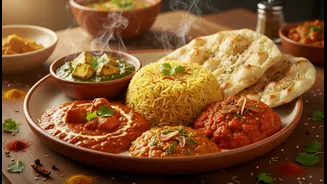
This growing appetite for authentic experiences has put India's immense culinary diversity in the spotlight. The tourism sector, once focused on historical circuits, is now carving out vibrant food trails. Travellers are heading to Amritsar not just for the Golden Temple, but for a langar experience and to master the art of the perfect kulcha. They're exploring the bylanes of Old Delhi on guided food walks, discovering the secrets of Awadhi kebabs in Lucknow, and taking cooking classes focused on Bengali sweets in Kolkata. According to market reports, the culinary tourism market in India is expected to grow significantly, with some projections showing a compound annual growth rate of over 12%. This boom is fuelled by travellers seeking novel experiences and a deeper connection to the country's varied regions.
Creating a Menu of Memories
The power of food-first travel lies in its ability to create powerful, lasting memories tied to all five senses. The aroma of freshly ground spices, the sizzle of a street-side dosa, the story behind a family recipe passed down through generations—these moments linger long after the vacation ends. This trend is visible across demographics, from solo travellers on a journey of self-discovery to families wanting to engage their children in culture through chocolate-making workshops. Even honeymoon itineraries are now being designed around private vineyard lunches and exclusive chef's table dinners. By making food the focus, a trip transforms from a series of sights seen to a collection of moments felt and tasted.
Your Plate, Your Compass
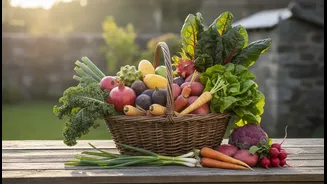
Planning a food-first getaway is easier than ever. It starts with curiosity. Instead of searching for “top sights,” try looking for “famous local dishes” or “food markets” in your chosen destination. Many tour operators now specialise in curated culinary journeys, from street food walks to multi-day gourmet tours. Homestays and boutique properties often offer private cooking lessons. A recent trend even sees travellers embracing “grocery store tourism,” exploring local supermarkets to understand a region's daily life and consumption habits. Being open to new flavours and engaging with the people who prepare your food isn't just a way to eat well—it's a richer, more meaningful way to travel.