








Start by Playing the 'What If' Game
Resilient travel planning begins long before you leave home. The first step is to look at your itinerary and identify its potential weak points. Is there a tight connection between flights? Are you relying on the last train of the day? What happens if your arrival
is significantly delayed? Thinking through these 'what if' scenarios allows you to proactively research alternatives. For every critical leg of your journey, identify a Plan B and even a Plan C. This doesn't mean you have to book three different sets of tickets; it's about knowing your options. For example, if your flight from Mumbai to Delhi is cancelled, know which other airlines fly that route, and roughly what a last-minute train or bus journey would entail in terms of time and cost. [14] This mental (or written) map of alternatives is the foundation of a solid backup plan.
Assemble Your Digital Toolkit
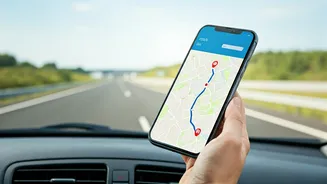
Technology is a traveller’s best friend during a disruption. Before you depart, load your smartphone with apps that can provide real-time solutions. Airline apps are essential for getting instant notifications about delays, gate changes, or cancellations, and many now allow you to rebook directly within the app, bypassing long queues at the airport. [5] Services like TripIt can organize your entire itinerary, including confirmation numbers and contact details, into one accessible place. [23, 25] For navigation, Google Maps allows you to download entire areas for offline use, which is invaluable if you lose your data connection. [17, 22] Also, consider apps like FlightAware to track your flight's status independently. [21] Having these digital tools ready means you can react quickly and efficiently when your original plans go awry.
Research Ground-Level Alternatives
While we often focus on major transport hubs like airports, your backup plan should also include ground-level alternatives. A cancelled flight doesn't have to mean a cancelled trip if you've done your homework. Websites like Rome2rio are excellent for exploring different modes of transport between two points, showing you potential bus, train, and ferry routes you may not have considered. [29] If you're travelling in Europe, for instance, a high-speed train might be a viable and even enjoyable alternative to a short-haul flight. In many parts of Asia, overnight buses are a comfortable and cost-effective option. Researching these local and regional transport networks gives you the flexibility to pivot. Make a note of the main train and bus stations near your key destinations, and have a general idea of their schedules and booking procedures.
Create a Financial and Documentary Safety Net
A backup plan can sometimes come with unexpected costs. This is where a financial safety net becomes crucial. Trip interruption or trip cancellation insurance can reimburse you for non-refundable expenses and the costs of booking new transportation if your journey is disrupted for a covered reason, like severe weather or airline mechanical issues. [1, 7] Many premium credit cards also offer travel protections, so check your cardholder benefits before you buy separate insurance. [5] Beyond finances, ensure your critical documents are backed up. Keep digital copies of your passport, visas, and booking confirmations in a secure cloud service and on your phone for offline access. [4] It's also wise to have a laminated card with essential emergency contacts, including your insurance provider's 24-hour helpline. [8]
Keep Communication Lines Open
When things go wrong, clear communication is key. If you're running late, inform your hotel or host to prevent your room from being given away. If your flight is cancelled, remember that you have rights; airlines are often required to rebook you on the next available flight, and for significant delays, they may be responsible for meals and accommodation. [6, 10] Before you leave, share your detailed itinerary with a trusted person back home. [4] Using an app like TripIt allows you to easily share your live travel plans, so someone always knows where you're supposed to be. [25] And remember to protect your digital communications; avoid using public Wi-Fi for sensitive tasks like rebooking flights and use a VPN if you must. [8] Staying connected securely ensures you can manage any changes without adding extra risk.