








Understanding the Bharat Initiative
The 'Bharat' brand is a government initiative designed to provide essential food items like rice, wheat flour (atta), and pulses to consumers at subsidised rates, helping to control food price inflation. Under this scheme, 'Bharat Atta' is sold at a maximum
retail price (MRP) of ₹27.50 per kilogram and 'Bharat Rice' is sold at an MRP of ₹29 per kilogram. These products are typically available in convenient 5 kg and 10 kg bags through cooperatives like NAFED, NCCF, Kendriya Bhandar, and via mobile vans. The goal is to make staples more affordable and accessible, easing the financial pressure on low and middle-income households.
The Smart Shopper's Secret: Unit Pricing
A 'poor decision' at the grocery store often happens when we choose a product that seems cheaper but is actually more expensive for the quantity we get. This is where unit pricing becomes an essential skill. The unit price is the cost per a standard measurement, such as per kilogram (kg) or per 100 grams (g). It allows you to make a fair, apples-to-apples comparison between different pack sizes and brands, stripping away confusing packaging and promotional offers. The simple formula is: Total Price ÷ Total Quantity = Unit Price. Mastering this simple calculation can unlock significant savings over time.
Putting It to Work: A Wheat Atta Comparison
Let’s compare the subsidized Bharat Atta with a typical private brand. The government's Bharat Atta is priced at ₹27.50/kg. A 10 kg bag would therefore cost ₹275. Now, imagine you see a 5 kg bag of another popular brand on sale for ₹220. At first glance, the total cash out is lower. But let's calculate the unit price. For the private brand, the calculation is ₹220 ÷ 5 kg = ₹44 per kg. In this scenario, the private brand is significantly more expensive per kilogram than Bharat Atta. Some popular brands can cost even more, with 10kg packs sometimes priced between ₹335 to over ₹440, making their unit price per kg ₹33.50 to ₹44. By looking at the per-kg cost, you can clearly see which option offers better value for your money.
Decoding Rice Prices
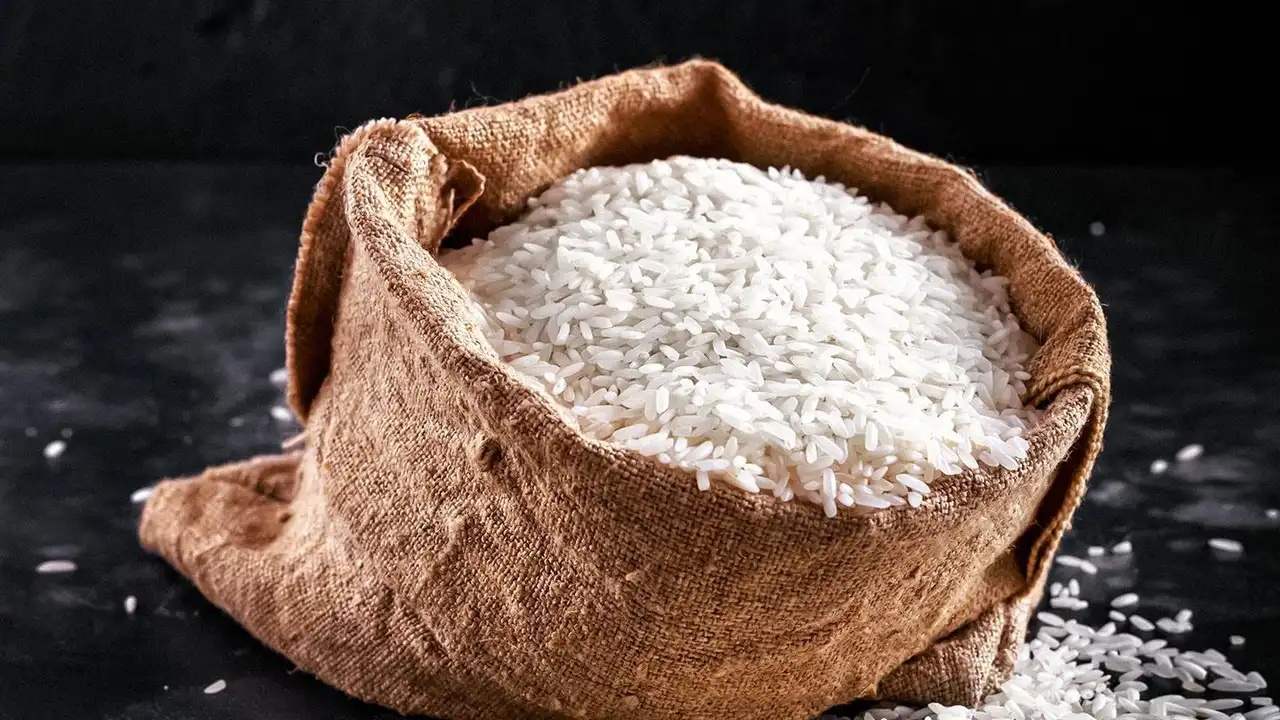
The same logic applies to rice. Bharat Rice is available at a fixed MRP of ₹29/kg, making a 10 kg bag cost ₹290. You might find a 5 kg bag of a different brand of non-basmati rice priced at ₹250. Let's do the math: ₹250 ÷ 5 kg = ₹50 per kg. While the initial price seems lower, its unit price is nearly 75% higher than the subsidized option. Even if a competing 10kg bag is on offer for ₹400, its per-kg price is ₹40. The subsidized Bharat Rice provides clear value. This simple check empowers you to see past the shelf price and understand the real cost of what you are buying.
Beyond the Price Tag
While unit price is a powerful tool for saving money, it is not the only factor. Quality, grain type (like basmati versus non-basmati rice), and personal taste preferences also play a crucial role in your purchasing decision. Some households may prefer a specific brand of atta for its texture or how it makes rotis. The goal isn’t to always buy the absolute cheapest option, but to be fully aware of the cost trade-offs you are making. By knowing the unit price, you can consciously decide if a premium brand's quality is worth the extra expense. It transforms you from a passive buyer into an informed consumer who is in control of their budget.