







Strength Without The Stress
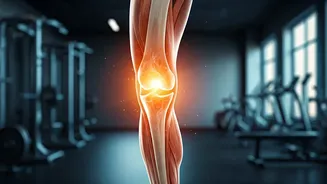
We often associate fitness with explosive movements—running, jumping, and lifting heavy weights. While effective for muscle growth, these high-impact activities can take a toll on our joints. Over time, the repeated stress on knees, hips, elbows, and shoulders
can lead to pain, inflammation, and injury. This is where low-impact calisthenics offers a smarter alternative. It’s a method of using your own bodyweight to build strength, but with one key difference: every movement is designed to be gentle on your connective tissues. Think controlled, deliberate exercises that build power from the inside out, rather than pounding your body into submission.
The Science of Resilient Joints
The phrase 'joint power' isn’t just about muscles; it's about the health of your tendons and ligaments. These connective tissues have less blood flow than muscles, so they don’t respond to the same type of training. They thrive on consistent, controlled tension, not explosive force. Low-impact calisthenics provides this perfect stimulus. By holding positions (isometrics) or moving very slowly through a range of motion (eccentrics), you encourage blood flow to these tissues and signal them to grow stronger and more durable. This process, known as mechanotransduction, is the key to developing the 'insane' resilience the headline promises. You are literally teaching your joints to handle more load safely and efficiently.
Foundational Moves for Joint Health
Getting started doesn't require fancy equipment, just focus and control. The goal isn't to do a hundred reps, but to feel the tension and hold it. 1. Wall Sits: Stand with your back against a wall, then slide down until your thighs are parallel to the floor, as if sitting in a chair. Hold this position for 30-60 seconds. This builds incredible strength in the knees and hips with zero impact. 2. Scapular Push-ups: Get into a plank or push-up position. Keeping your arms straight, pinch your shoulder blades together, then push them apart. This tiny movement isolates and strengthens the muscles that stabilise your shoulder girdle, a common area of weakness. 3. Slow Negative Pull-ups/Rows: If you can’t do a full pull-up, focus on the lowering phase. Use a chair to get your chin over the bar, then take 5-10 seconds to slowly lower yourself down. This builds immense elbow and shoulder tendon strength. 4. Glute Bridges: Lie on your back with your knees bent and feet flat on the floor. Squeeze your glutes and lift your hips until your body forms a straight line from your shoulders to your knees. Hold for a few seconds and lower slowly. This strengthens the entire posterior chain, protecting your lower back and hips.
The Golden Rule: Time and Consistency
With this style of training, the most important variables are time under tension and consistency. Instead of counting reps, try counting seconds. Can you hold that wall sit for 10 seconds longer than last week? Can you make your negative pull-up last for a full 8 seconds? This is where true strength is built. Because these exercises are low-impact, they can be performed more frequently without risking overtraining or burnout. A few minutes dedicated to these movements every other day will yield far better results for your joint health than one brutal, high-impact session a week. Listen to your body; a feeling of muscular work is good, but sharp pain is a signal to stop and reassess.