



The Ancient Logic of Seasonal Eating
The idea that our diet should change with the seasons is a cornerstone of traditional Indian wellness, particularly Ayurveda. This ancient system of medicine calls the practice 'Ritucharya', which literally translates to 'seasonal regimen'. The core principle
is simple: to maintain balance in the body, we must adapt our food and lifestyle to counteract the effects of the external environment. Foods are categorised not by their temperature but by their inherent properties — 'Ushna' (hot) and 'Shita' (cold). Hot foods are believed to boost metabolism and generate heat, while cold foods are thought to cool the system and soothe inflammation. This isn't about eating ice cream in summer; it's about consuming foods that have a cooling post-digestive effect. Your grandmother wasn't just being nostalgic when she swapped masalas or changed the grain for her rotis; she was practicing a sophisticated form of nutritional science fine-tuned over centuries.
Summer: The Strategy of Hydration and Coolness
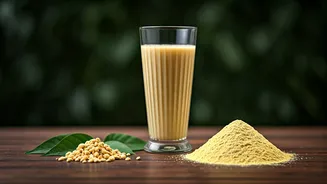
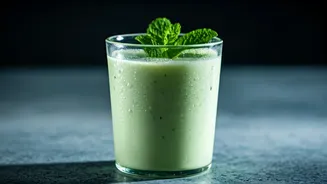
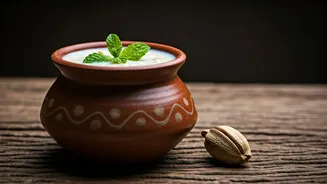
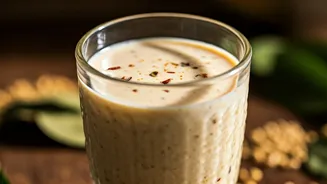
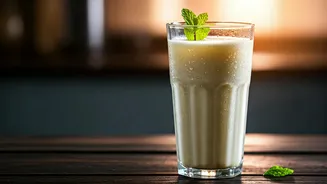
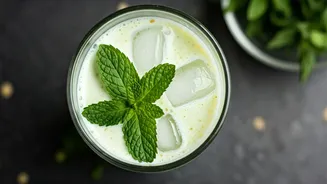
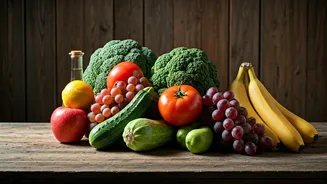
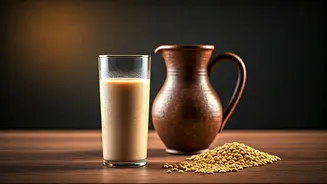
As the scorching Indian summer arrives, our bodies crave relief. The digestive fire ('agni') is considered weaker, and the primary goal is to stay hydrated and cool from within. Traditional summer plates reflect this perfectly. We see an abundance of water-rich foods like cucumber, watermelon, and muskmelon, which are natural hydrators packed with electrolytes. Curd (dahi) and buttermilk (chaas) become staples, prized for their probiotic content that aids digestion and provides a cooling sensation. Another summer hero is sattu, the roasted gram flour popular in states like Bihar and Uttar Pradesh. Mixed into a sharbat, it’s a powerhouse of protein and fibre that provides sustained energy without heating the body. These foods are light, easy to digest, and work to replenish the fluids lost through excessive sweating, proving that our ancestors knew exactly how to beat the heat.
Monsoon: Boosting Immunity and Digestion
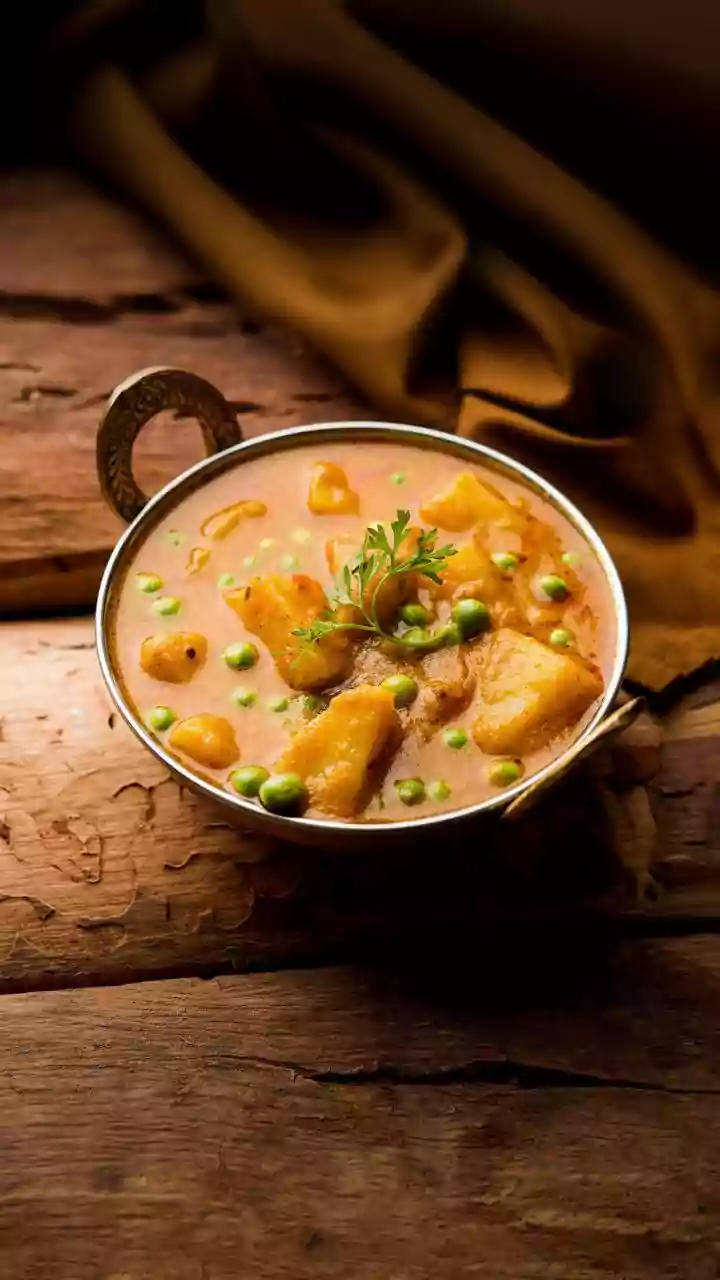
The arrival of the monsoon brings welcome relief from the heat, but it also ushers in humidity, water-borne diseases, and a general dip in immunity. The traditional Indian diet cleverly shifts its focus to protection and easy digestion. This is the season for warm, cooked meals over raw salads. Ingredients with anti-microbial and anti-inflammatory properties take centre stage. Think ginger, garlic, turmeric, and black pepper, which are generously used in everything from dals to vegetable curries. These spices not only add flavour but also help fight off infections and stimulate a sluggish digestive system. Bitter vegetables like karela (bitter gourd) and herbs like neem are also encouraged, as they are believed to purify the blood and keep infections at bay. Lightly spiced soups and khichdi become go-to comfort foods, providing nourishment without overburdening the gut, which is considered most vulnerable during this season.
Winter: A Time for Warmth and Nourishment
When the winter chill sets in, the body's digestive fire is said to be at its strongest. This is the time to eat rich, warming, and energy-dense foods that provide insulation and strength. The winter plate is a celebration of this principle. Millets like bajra (pearl millet) and makki (maize) replace wheat in many households, as they are considered 'hot' and take longer to digest, thus generating more heat. This is the season of sarson da saag, rich with ghee, and til (sesame) ladoos made with jaggery (gur). Ghee and nuts are consumed more freely, providing essential fatty acids that lubricate the joints and skin, combating the dryness of winter. Jaggery, a winter favourite, is more than just a sweetener; it's rich in iron and minerals and helps in purifying the blood and warming the body. These foods provide the dense caloric energy required to stay warm and active during the colder months.