

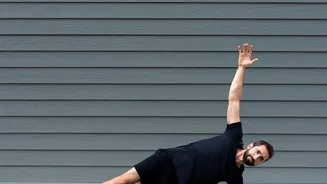
The Power of Bodyweight Training
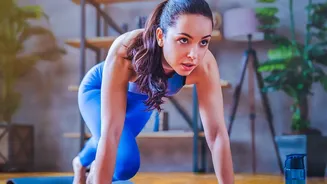
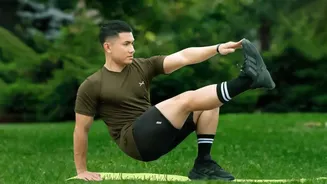
Using your own body as resistance is one of the most accessible ways to build a strong, functional foundation. Bodyweight exercises, also known as calisthenics, improve not just muscle strength but also balance, flexibility, and core stability. They mimic
everyday movements—like pushing, pulling, and squatting—making daily activities easier and reducing the risk of injury. Because these exercises often engage multiple muscle groups at once, they provide an efficient, full-body workout that also gets your heart rate up, combining both cardio and strength benefits. Best of all, they can be done anywhere, anytime, making consistency much easier to achieve.
Your Weekly At-Home Workout Plan
Consistency is key for seeing results. For beginners, a great starting point is to perform this full-body routine three times a week on non-consecutive days. For example, you could work out on Monday, Wednesday, and Friday. This schedule gives your muscles adequate time to rest and repair, which is when they actually get stronger. Each session will take around 20-30 minutes. As you get fitter, you can increase the number of repetitions, add more sets, or reduce rest times to continue challenging yourself. Remember to listen to your body and focus on good form over speed.
The Essential Warm-Up (5 Minutes)
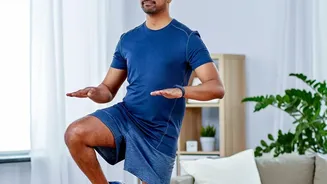
Never skip your warm-up. It prepares your body for exercise by increasing blood flow to your muscles and loosening your joints. Start with 2-3 minutes of light cardio, like jogging in place or doing jumping jacks. Then, move into dynamic stretches. Perform each for 30 seconds: - Arm Circles: Stand with feet shoulder-width apart and make large circles forward with your arms, then reverse. - Leg Swings: Hold onto a wall or chair for balance and swing one leg forward and backward, then side to side. Repeat on the other leg. - Torso Twists: Stand with your feet slightly wider than your hips and gently twist your upper body from side to side.
The Core Workout: Strength and Tone
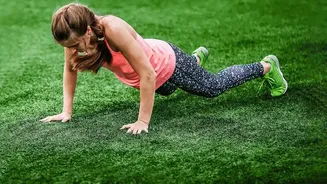
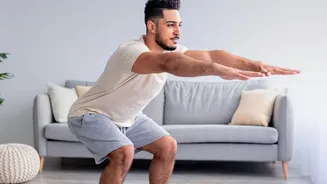
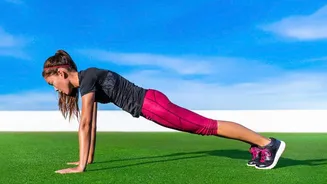
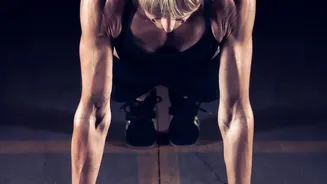
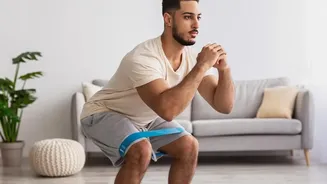
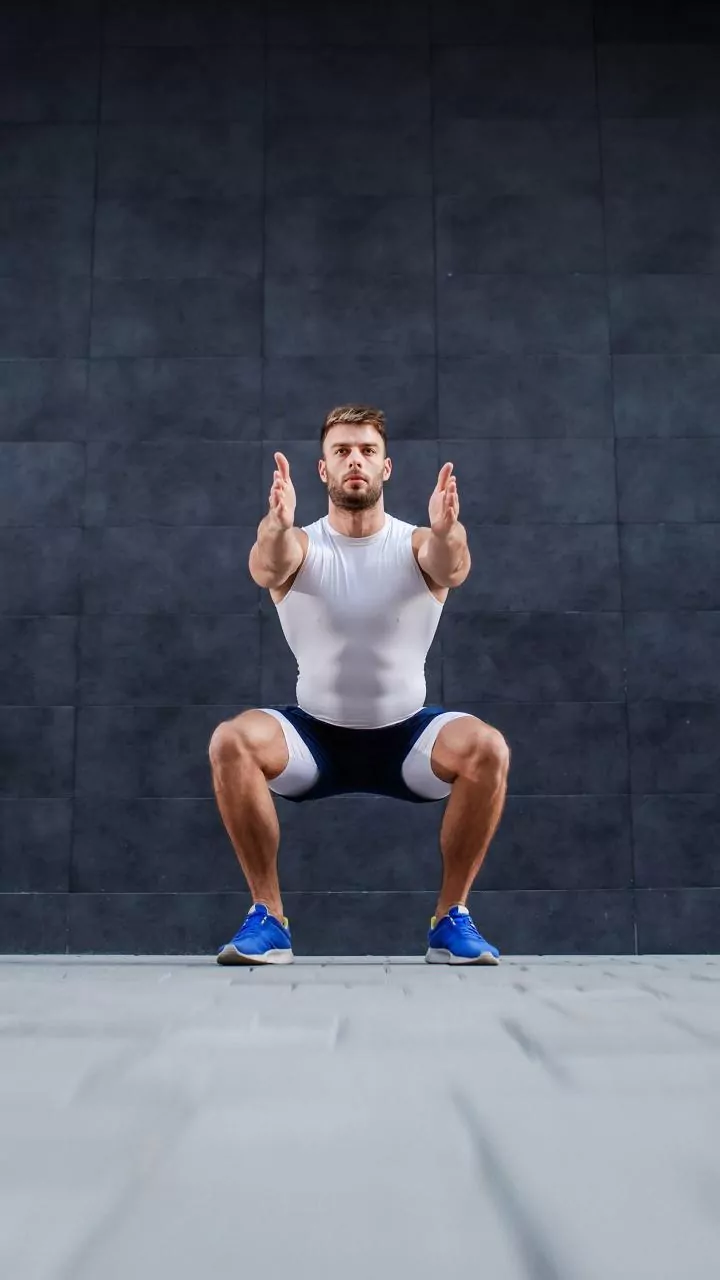
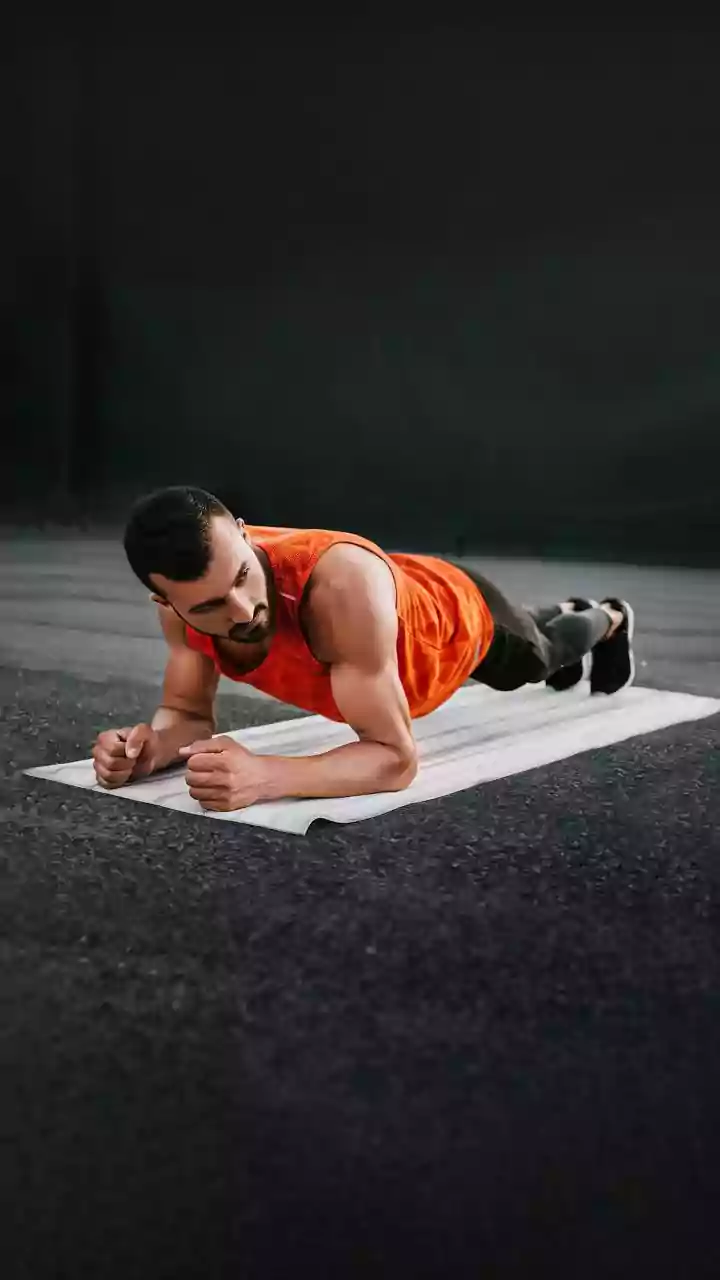
Perform each of the following exercises for the recommended number of repetitions (reps). Complete the entire circuit of five exercises, rest for 60-90 seconds, and then repeat the circuit 2-3 times in total. 1. Bodyweight Squats (10-15 reps): Stand with your feet shoulder-width apart. Keeping your chest up and back straight, bend your knees and sit your hips back as if you're sitting in a chair. Lower until your thighs are parallel to the floor, then push through your heels to return to the start. 2. Push-ups (8-12 reps): Start in a plank position. If a full push-up is too hard, perform them on your knees or with your hands on an elevated surface like a sturdy coffee table. Lower your body until your chest nearly touches the floor, keeping your back straight, then push back up. 3. Lunges (10 reps per leg): Step forward with one foot and lower your hips until both knees are bent at a 90-degree angle. Ensure your front knee stays over your ankle. Push off your front foot to return to the starting position and alternate legs. 4. Plank (Hold for 20-30 seconds): Position yourself on your forearms and toes, keeping your body in a straight line from head to heels. Engage your core and glutes to prevent your hips from sagging. 5. Glute Bridges (15 reps): Lie on your back with your knees bent and feet flat on the floor, hip-width apart. Lift your hips toward the ceiling, squeezing your glutes at the top. Lower back down slowly and repeat.
The Crucial Cool-Down (5 Minutes)
After your final set, take a few minutes to cool down and stretch. This helps improve flexibility and can aid in muscle recovery. Hold each stretch for 20-30 seconds without bouncing. - Hamstring Stretch: Sit on the floor with one leg extended straight and the other bent. Gently lean forward over the straight leg until you feel a stretch. - Quad Stretch: Standing, hold onto something for balance. Grab your right ankle and gently pull your heel towards your glute. Repeat on the other side. - Chest Stretch: Stand in a doorway and place your forearms on the frame, with your elbows slightly below shoulder height. Step forward gently until you feel a stretch across your chest.