


Cosmic Fireworks: Meteor Showers
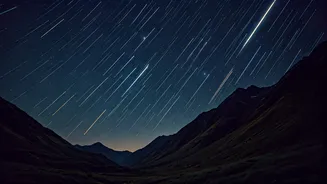
Several times a year, Earth plows through trails of dusty debris left behind by comets or asteroids. When these tiny particles, often no bigger than a grain of sand, hit our atmosphere at tens of thousands of miles per hour, they burn up in brilliant
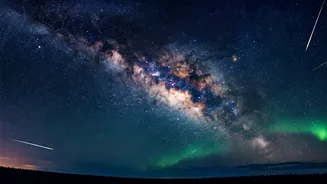
streaks of light. We call them meteor showers, or shooting stars. While you might catch a random meteor on any given night, major events like the Perseids in August or the Geminids in December can produce 50 to 100 meteors per hour. The surprise isn't just one streak, but the sheer frequency—a celestial fireworks display that reminds us our planet is constantly moving through a dynamic solar system.
When Planets Align
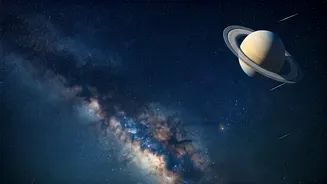
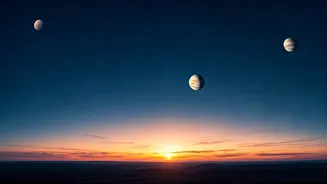
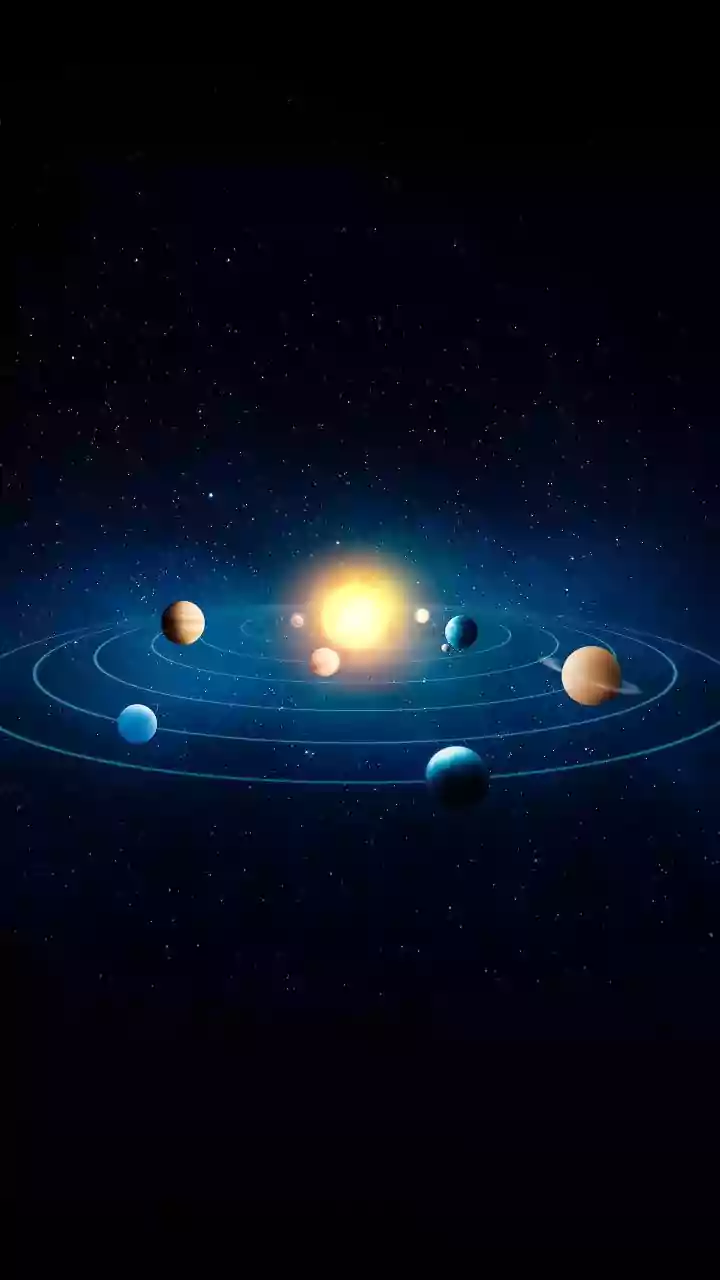
Those really bright “stars” that don’t seem to twinkle? They’re probably planets. And every so often, from our vantage point on Earth, these worlds appear to line up in the sky in what’s called a conjunction or an alignment. Seeing Jupiter and Saturn appear as a single, brilliant point of light, or watching Venus and Mars cozy up to a crescent moon, is a stunning and surprisingly accessible sight. It’s not astrology; it’s a beautiful quirk of orbital mechanics. These planetary dances are slow and majestic, visible even from light-polluted suburbs and reminding us that our solar system neighbors are right there, hiding in plain sight.
The Northern Lights Head South
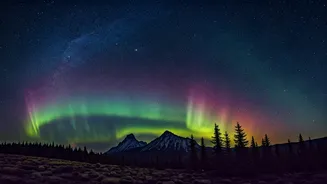
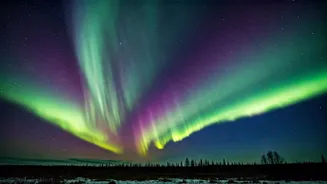
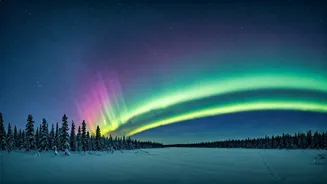
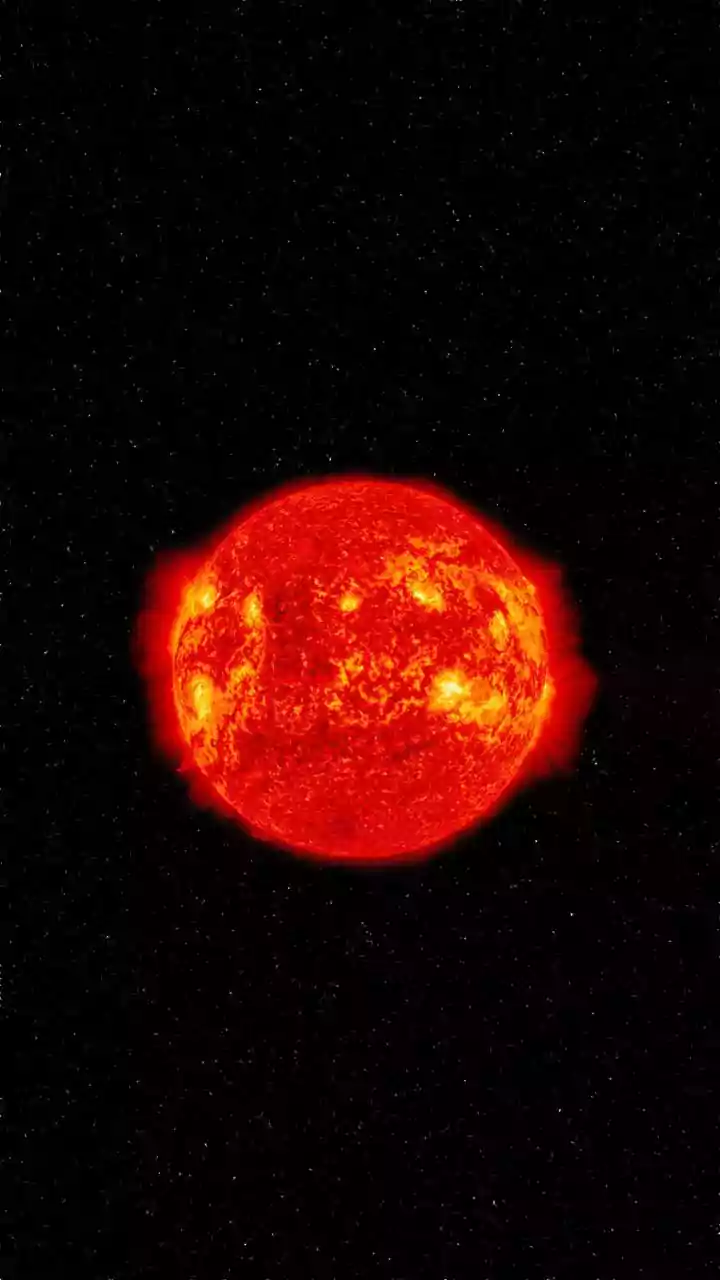
For most Americans, the aurora borealis is something you have to fly to Alaska or Iceland to see. But that’s changing. The sun is currently approaching the peak of its 11-year activity cycle, meaning it’s throwing more charged particles our way. When this solar wind interacts with Earth’s magnetic field, it creates the ethereal, shimmering curtains of green and pink light. In recent years, strong solar storms have pushed the aurora south, making it visible in states like Colorado, Nebraska, and even as far south as Arizona. It's a rare and magical surprise, a polar phenomenon visiting middle America.
The Galaxy Hiding in Plain Sight
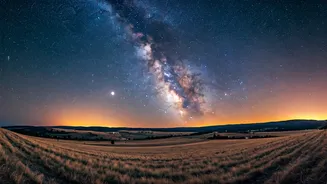
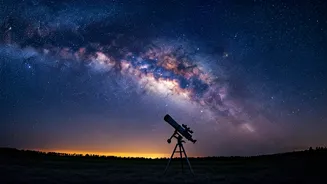
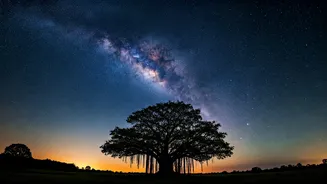
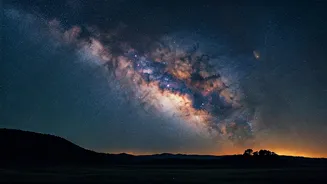
Perhaps the biggest surprise in the night sky is one that 80% of Americans can no longer see: our own galaxy. In areas free from significant light pollution, the Milky Way arcs across the sky as a faint, cloudy band packed with billions of stars. Seeing it for the first time is a profound experience. It’s not a fleeting event, but a permanent fixture of our cosmic home that we’ve largely erased with artificial light. Making a trip to a designated Dark Sky Park reveals this foundational wonder, reorienting your sense of scale and place in the universe. The surprise is realizing what you’ve been missing all along.
The Sky's Secret Lightning
Think lightning only goes from the clouds to the ground? Think again. High above major thunderstorms, in the upper reaches of the atmosphere, bizarre and beautiful electrical discharges occur. Known as Transient Luminous Events (TLEs), they have names as fantastical as they look: Sprites, Elves, and Blue Jets. Sprites are huge, fleeting flashes of red light that look like giant jellyfish, sometimes reaching 50 miles up toward the edge of space. For decades they were dismissed as pilot folklore, but now we know they are real. While extremely difficult to see with the naked eye, they are a powerful reminder that we're still discovering fundamental things about our own planet.
The New, Man-Made Stars
One of the newest surprises overhead is man-made. If you’ve seen a perfectly straight, silent line of lights moving steadily across the sky, you've likely witnessed a train of Starlink satellites. These mega-constellations, designed to provide global internet service, have fundamentally changed the stargazing experience. For some, they are a marvel of engineering, a new layer of human activity written on the cosmos. For others, particularly astronomers, they are a form of light pollution that interferes with scientific observation. Either way, their steady march across the heavens is an unexpected, and very modern, feature of the 21st-century night sky.