







Beyond the Beaches, Into the Green
When you picture Goa, golden beaches and azure waters likely come to mind. While the coast is iconic, a different world thrives just a short drive inland. Here, the air grows cooler and is scented with cinnamon, nutmeg, and cardamom. This is the realm
of Goa’s spice plantations, vibrant hubs of agriculture and history that offer a refreshing alternative to the bustling shoreline. For the eco-conscious traveller, these plantations are more than just a day trip; they represent a tangible way to engage in responsible tourism that supports local economies and preserves precious ecosystems. It's an opportunity to see a side of Goa that is rooted in centuries of agricultural tradition.
The Fabric of a Forest Farm
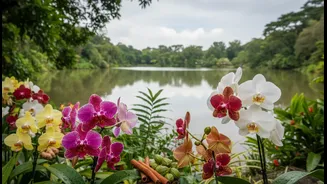
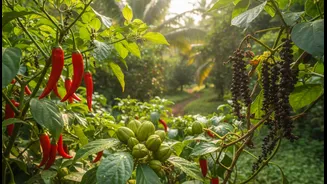
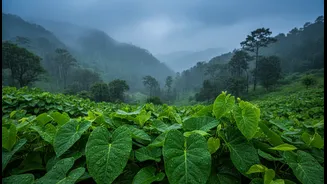
Unlike vast, uniform fields, Goan spice plantations are masterpieces of agroforestry. They are not monocultures but complex, multi-layered ecosystems that mimic a natural forest. Tall canopy trees provide essential shade for delicate spice vines like pepper and vanilla, while shrubs and ground cover host a variety of herbs and medicinal plants. This mixed-cultivation system creates a rich habitat that buzzes with life. Walking through these plantations feels less like visiting a farm and more like exploring a living botanical garden. This biodiversity is the cornerstone of their sustainability, creating a resilient environment that naturally manages pests and enriches the soil without the need for harsh chemicals.
A Commitment to Organic Principles
The eco-friendly appeal of these plantations lies in their farming methods. Many are family-owned enterprises that have upheld organic principles for generations, long before it became a global trend. They rely on natural fertilisers like compost and cow dung, and practice vermiculture to create nutrient-rich soil. This commitment means the spices produced are pure, and the surrounding environment is free from chemical runoff that pollutes waterways. By choosing to visit these farms, travellers directly support a model of agriculture that works in harmony with nature, preserving both the land and the traditional knowledge of the local communities who are its stewards.
A Complete Sensory Immersion
A tour of a spice plantation is an experience that engages all the senses. It typically begins with a welcome drink, often a fragrant herbal tea made from ingredients grown on the farm. A knowledgeable guide then leads you through the verdant estate, encouraging you to touch, smell, and even taste the spices directly from the plants—crushing a clove leaf to release its oil or smelling the sweet scent of a vanilla bean. The tour often culminates in a traditional Goan buffet, a feast of flavours where the dishes are prepared using the very spices you just learned about. Served on banana leaves, this farm-to-table meal is the perfect, delicious end to an educational journey.
How Your Visit Makes a Difference
Choosing to spend a day at a spice plantation is a conscious decision with a positive impact. The entry fees and any purchases of fresh spices or local handicrafts directly contribute to the livelihoods of the farmers and their families. It provides a viable economic alternative that encourages the preservation of these biodiverse lands, preventing them from being sold for other forms of development. Furthermore, these plantations are vital hubs for local wildlife, attracting a variety of birds, butterflies, and small animals. Your visit helps sustain these mini-forests, ensuring they continue to be a sanctuary for both plants and animals, proving that tourism can be a force for good.