








The Generational Shift in Mindset
Talk to anyone over 50, and they’ll likely tell you stories of saving for years to buy a scooter or a television. Debt was frowned upon, and cash was king. This financial prudence was born from a different economic era. Today’s young Indians, however,
have grown up in a more liberalised, consumption-driven economy. For them, waiting is not always an option. They see credit as a strategic lever to improve their quality of life, invest in their skills, or seize an opportunity now rather than later. This isn't recklessness; it's a calculated shift from a mindset of scarcity to one of access. Reports from credit bureaus like TransUnion CIBIL consistently show that millennials and Gen Z are the fastest-growing demographics entering the formal credit market, often at a much younger age than their parents did.
Beyond the Traditional Credit Card
When we talk about credit, the image of a plastic card often comes to mind. But for young India, the definition is far broader. The boom in fintech has unleashed a wave of innovative credit products that are more accessible and flexible than ever before. The most prominent example is 'Buy Now, Pay Later' (BNPL), which allows consumers to split payments for everything from fashion to food delivery into interest-free instalments. This micro-credit is often the first formal credit experience for many young adults. Beyond BNPL, they are taking out small-ticket personal loans through digital apps for purposes their parents might have deemed frivolous: upskilling courses, travel, or purchasing the latest gadgets. It’s about using credit to finance a lifestyle and personal growth, not just to manage emergencies.
The Rise of the Credit Score
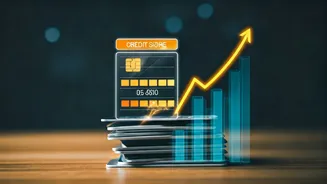
Perhaps the most telling sign that young India is taking credit seriously is the newfound obsession with the CIBIL score. A decade ago, this three-digit number was jargon known only to bankers and loan officers. Today, it’s a common topic of conversation among 20-somethings. Fintech apps provide free and easy access to credit reports, turning score-tracking into a mainstream activity. Young professionals understand that a strong credit score is a gateway to bigger financial goals—a car loan, a home loan, or better terms on future borrowing. They are actively working to build a healthy credit history by paying dues on time, keeping credit utilisation low, and maintaining a good mix of credit types. This proactive management marks a significant evolution from the passive, often fearful, approach of previous generations.
Fuelled by Digital Access
This entire transformation is built on the rails of India's digital revolution. The ubiquity of smartphones and cheap data, combined with the India Stack (Aadhaar, UPI, etc.), has allowed fintech companies to reimagine the lending process. Gone are the days of cumbersome paperwork, multiple visits to a bank branch, and weeks of waiting for approval. Today, a young person can apply for a loan or a credit line from their couch and get approved in minutes. This digital-first approach meets young consumers where they are: online. The seamless, user-friendly experience offered by lending apps has drastically lowered the barrier to entry, bringing millions of 'new-to-credit' individuals into the formal financial ecosystem for the first time.
A Tool, Not a Blank Cheque
While this trend signals greater financial inclusion and economic optimism, it is not without its risks. The very ease of access that makes digital credit so appealing can also become a slippery slope into a debt trap. The temptation to over-leverage is real, especially with multiple BNPL services and instant loan apps vying for attention. The key difference, and the reason for optimism, lies in the growing awareness around responsible usage. Financial literacy is on the rise, and many young borrowers are learning to treat credit as a tool that must be handled with care. They understand that a default on a small BNPL payment can damage their CIBIL score and impact their future financial health. The challenge, for both consumers and regulators, is to ensure that this newfound enthusiasm for credit is channelled productively and doesn't lead to systemic risk.