
The Magic of Lacto-Fermentation
At the heart of this revival is lacto-fermentation, a process that sounds scientific but is beautifully simple. It involves submerging vegetables in a brine of just salt and water. That's it. No oil, no vinegar. Over time, beneficial bacteria, specifically
Lactobacillus, get to work. These microscopic powerhouses consume the natural sugars in the vegetables and convert them into lactic acid. This acid acts as a natural preservative, warding off spoilage-causing microbes and creating that signature tangy flavour we love in a good pickle. Unlike modern, vinegar-based pickles that are often pasteurised, these fermented versions are teeming with live, healthy bacteria.
A Taste of Ancient Wisdom
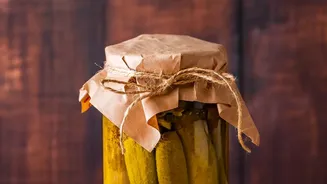
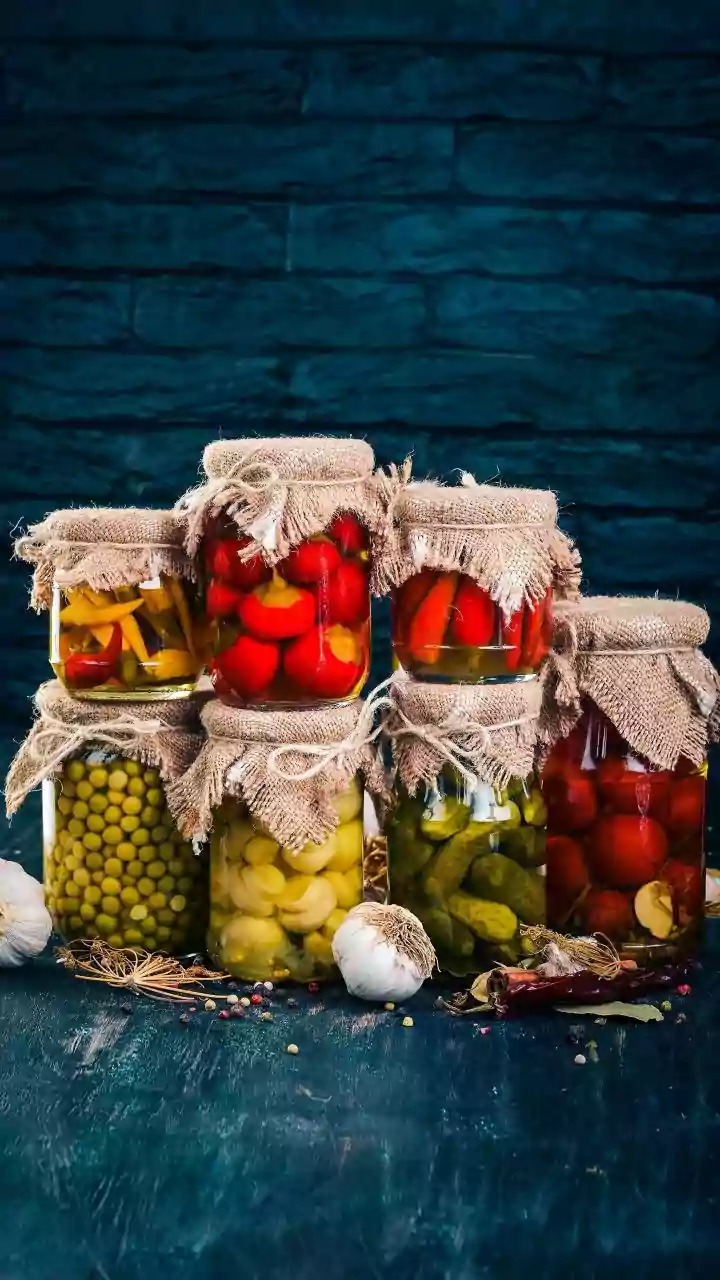
Fermentation isn't a new-age health fad; it's one of humanity's oldest methods of food processing, with evidence dating back thousands of years. Ancient civilizations from Mesopotamia to China relied on fermentation to preserve food for long journeys or harsh winters, long before refrigerators existed. In India, the tradition of making 'achaar' is a cornerstone of our culinary heritage, a method of capturing seasonal abundance in a jar. While many traditional Indian pickles use oil or sun-drying, the principle of using salt and time to transform and preserve ingredients is a shared global tradition. This return to oil-free fermentation is a nod to those ancient roots, prioritising natural processes over modern shortcuts.
More Than a Condiment: A Probiotic Powerhouse
The main reason these pickles are gaining popularity in wellness-conscious urban circles is their probiotic content. The live bacteria cultivated during fermentation are the same kind found in yoghurt and other gut-friendly foods. A diet rich in diverse probiotics is linked to a healthier gut microbiome, which can improve digestion, boost immunity, and even regulate blood sugar. Because these pickles are oil-free, they are also incredibly low in calories, making them a fantastic, flavourful addition to any meal for those managing their weight or overall health. It’s a way to add a zesty kick to your plate while actively supporting your body's wellness.
Your Urban Kitchen Fermentation Station
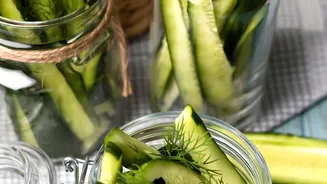
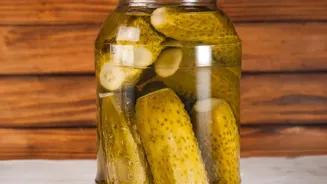
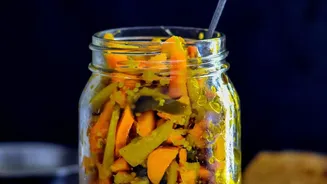
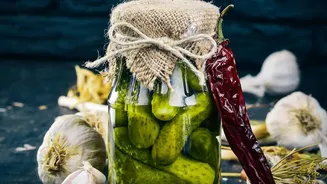
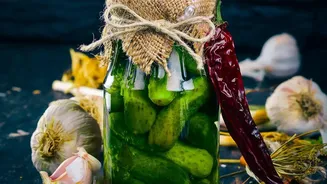
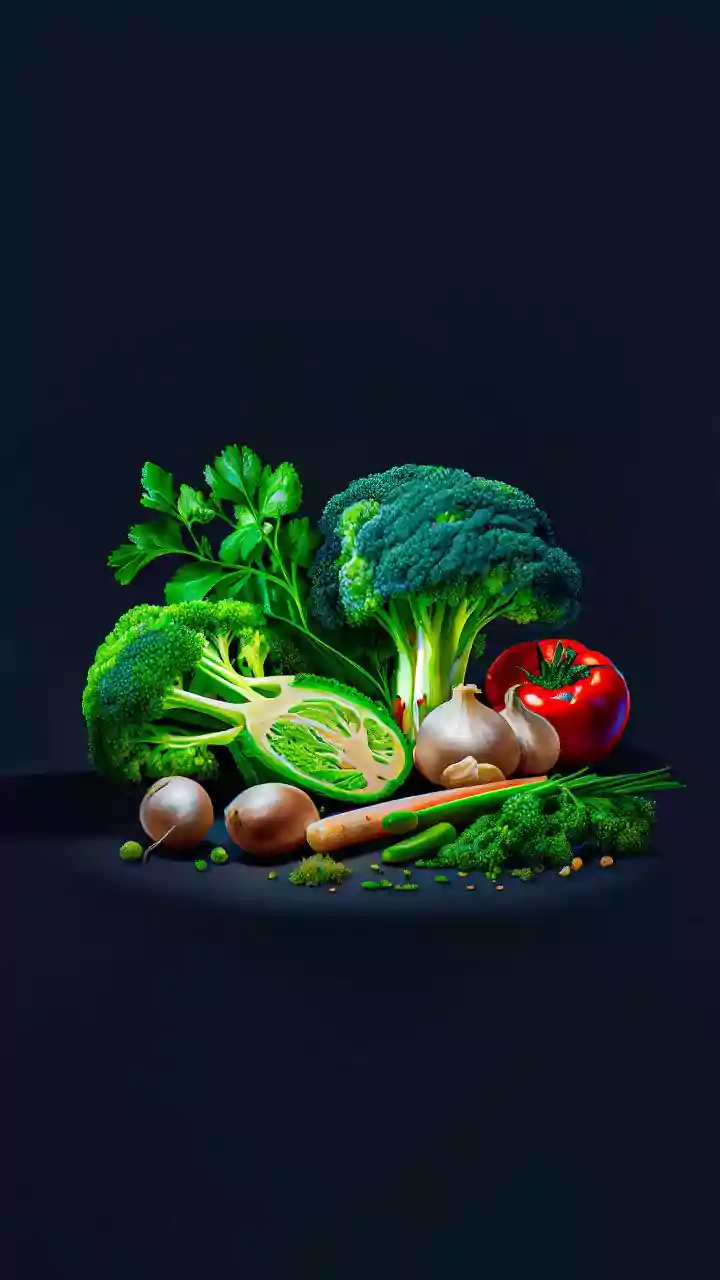
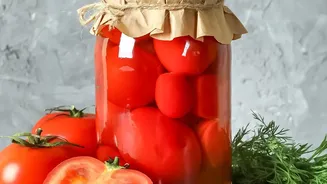
The best part about this ancient craft is how easily it adapts to a modern, urban kitchen. You don't need fancy equipment, just a few simple items: a clean glass jar, salt (without iodine), and fresh, preferably organic, vegetables. The process is straightforward: chop your vegetables, place them in the jar with spices like garlic, dill, or mustard seeds, and cover them with the salt-water brine. The key is to ensure the vegetables remain completely submerged in the brine to prevent mould. Within a few days to a week, depending on the temperature of your kitchen, the fermentation will begin, and you'll have your own crunchy, tangy, probiotic pickles.
Tips for Your First Successful Ferment
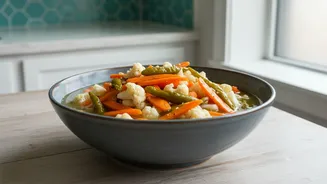
For beginners, starting with firm vegetables like carrots, cauliflower, or beans is a great idea. Using a good quality, non-iodized salt is crucial, as iodine can inhibit the beneficial bacteria. A general rule of thumb is to use a brine solution with about 2-3% salt concentration. Keep the jar at room temperature and away from direct sunlight. You'll know the fermentation is active when you see bubbles forming in the jar. Once the pickles reach a flavour you enjoy, simply move the jar to the refrigerator. This will significantly slow down the fermentation process and keep them preserved and delicious for weeks.