


From a Quick Fix to a Curated Experience
The shift away from instant coffee is more than just a change in taste; it's a change in mindset. While instant coffee offered speed and accessibility, today's younger consumers, particularly Millennials and Gen Z, are seeking an experience. This demographic
sees coffee not merely as a caffeine delivery system but as a lifestyle choice and a form of self-expression. The rapid growth of urban café culture has exposed a generation to the complexities of brewing methods, the nuances of flavour profiles, and the importance of a coffee's origin story. This curiosity, nurtured in coffee shops, is now influencing what people drink at home, moving from a habit-led purchase to a deliberate choice that reflects personal values.
What Makes a Coffee 'Specialty'?
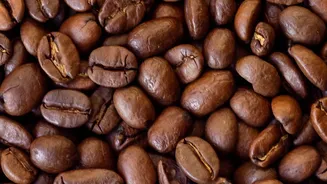
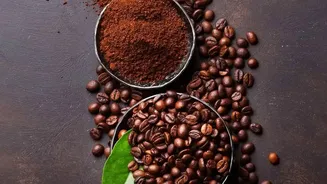
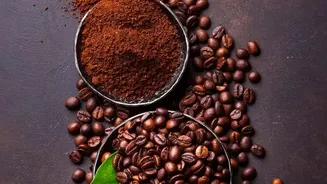
The term “specialty coffee” isn't just marketing jargon. It refers to a higher grade of coffee that is all about the bean's journey, from the farm to your cup. Unlike mass-produced coffee, specialty beans are often single-origin, meaning they come from a specific geographical location, sometimes a single farm or 'estate'. This focus on provenance allows drinkers to appreciate the unique 'terroir'—the combination of soil, climate, and altitude—that gives each coffee its distinct character. Connoisseurs now discuss the fruity or floral notes of an Arabica bean from a high-altitude estate with the same passion once reserved for fine wine. Factors like shade-growing, hand-picking ripe cherries, and innovative processing methods all contribute to a cup that is valued for its quality and unique flavour, not just its strength.
South India's Terroir Advantage
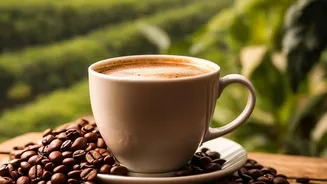
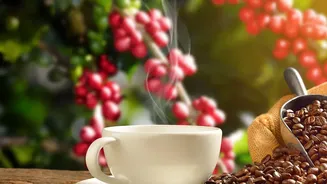
India's coffee legacy is deeply rooted in the South, with the Western Ghats providing a perfect environment for cultivation. Regions like Chikmagalur, Kodagu (Coorg), and the Nilgiris are the heartland of Indian specialty coffee. These estates produce some of the world's finest shade-grown Arabica and Robusta beans. The high altitude, volcanic soil, and abundant rainfall create beans with complex profiles, often described as chocolatey, nutty, and spicy. For years, much of this high-quality produce was destined for export markets in Europe. Now, a growing domestic appreciation means these exceptional beans are increasingly being roasted and sold within India, allowing local consumers to finally savour the best of their own backyard.
Why Now? The Generational and Digital Shift
Several factors are fuelling this trend. Rising disposable incomes and global exposure through travel and media have made premium experiences more accessible. But the biggest driver is the digital world. For a generation fluent in social media, coffee is a highly aesthetic product. The visual appeal of latte art, minimalist café interiors, and beautiful packaging makes for compelling content on platforms like Instagram, where coffee-related hashtags have seen explosive growth. Furthermore, there is a growing desire for authenticity and traceability. Young consumers want to know the story behind their products; they care about ethical sourcing and sustainability. Choosing a single-estate coffee over a large commercial brand is a statement about supporting local growers and valuing craftsmanship.