
The New Gold Rush: Why Water Matters
On Earth, water is everywhere. On the Moon, it’s the most valuable resource imaginable. The primary target is water ice, confirmed to be hidden in permanently shadowed craters at the lunar south pole. This ice is critical for two reasons. First, for life
support: astronauts at a future lunar base will need water for drinking, growing food, and producing breathable oxygen. Transporting these vast quantities from Earth is incredibly expensive, so sourcing it locally is a game-changer. Second, and perhaps even more significant, lunar water is a potential source of rocket fuel. Through a process called electrolysis, water (H2O) can be split into its component parts: hydrogen and oxygen. When cryogenically cooled to a liquid state, these are the two most powerful chemical rocket propellants known. This means the Moon could one day become a refueling station for spacecraft, a practice known as In-Situ Resource Utilization, or ISRU.
Prospecting for Ice on the Moon
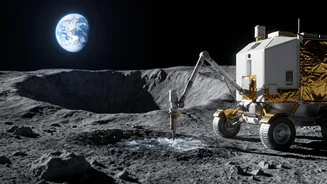
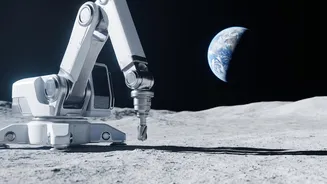
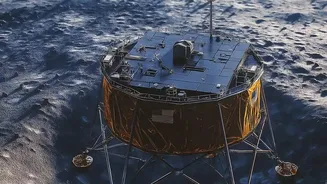
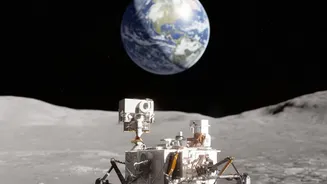
Before extraction can begin, NASA needs to know exactly where the ice is, how much is there, and in what concentration. This is the task of a new generation of robotic prospectors. A key mission is the Polar Resources Ice Mining Experiment-1 (PRIME-1). This experiment, delivered by a commercial lander, features a drill named TRIDENT (The Regolith and Ice Drill for Exploring New Terrain). TRIDENT is designed to dig up to a meter into the lunar soil, or regolith, and bring samples to the surface. An onboard mass spectrometer called MSolo then analyzes these samples to measure the composition of water and other volatile compounds. Data from missions like PRIME-1, and other technologies exploring seismic wave prospecting, will create a detailed map of lunar resources, guiding where future human missions will land and where the first base camp will be established.
The Artemis Base Camp Blueprint
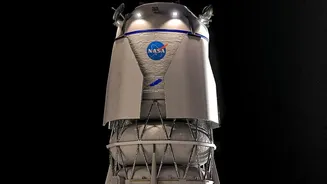
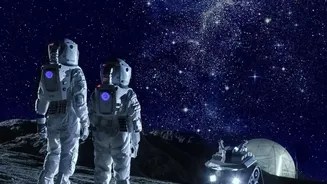
The headline's term "Moon Colony" points to what NASA officially calls the Artemis Base Camp. This isn't a city, but a strategic, sustainable scientific outpost. The initial concept includes a foundation surface habitat—a sort of lunar cabin—along with rovers for exploration and a mobile home to support longer expeditions. The goal is to evolve from short stays to missions lasting up to two months. Located near the resource-rich south pole, the base camp will serve as a hub for science and technology demonstration. Astronauts will study lunar geology, test new equipment in the harsh environment, and, most importantly, begin the work of building a self-sustaining infrastructure using local materials, a crucial step toward permanent settlement.
Fueling the Gateway to Deep Space
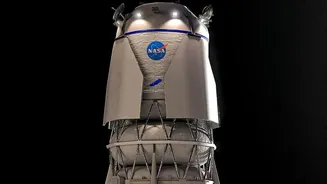
The ultimate vision extends beyond the Moon itself. NASA and its international partners are developing the Gateway, a small space station that will orbit the Moon. The Gateway will serve as a staging point for missions to the lunar surface and, eventually, to Mars. This is where lunar water becomes truly revolutionary. Imagine robotic missions mining ice on the Moon, converting it into rocket propellant, and launching it to the Gateway. The station would become a depot where deep-space vessels can refuel. This dramatically reduces the amount of propellant a Mars-bound spacecraft needs to carry from Earth, making the mission more feasible and affordable. The Gateway, supported by lunar resources, is the essential bridge connecting our presence on the Moon to the first human footsteps on another planet.