




A Banquet on the Pavement
The most immediate reason for the flurry of post-rain activity is simple: food. A good downpour softens the soil, forcing earthworms, grubs, and other insects to the surface to avoid drowning. For birds like mynas, robins, and crows, this is an all-you-can-eat
buffet served right on the pavement and lawns. During the heavy rain, most birds are forced to take shelter in dense trees and under ledges, conserving energy and waiting for the storm to pass. This period of hiding means they haven't been able to forage. The moment the rain subsides, they emerge hungry and eager to replenish their energy. This urgent need to feed creates the intense, focused activity we see in the first few minutes after a shower, as birds compete to make the most of the short-lived feast.
The Post-Rain Concert
Beyond the frantic search for food, the air is often filled with music. The chorus of birdsong that erupts after a storm can be even more intense than the familiar dawn chorus. Ornithologists have several theories as to why. Firstly, with the rain having cleared dust from the air and dampened other city sounds, the atmosphere is acoustically cleaner. Birdsong can travel up to 20 times further in these still, humid conditions, making it an efficient time to communicate. Just like at dawn, this post-storm singing is a way for male birds to re-establish their territory and signal their strength and fitness to rivals and potential mates. It's a powerful declaration: “I am healthy, I have survived the storm, and this is still my patch.” It is a vital and energetic performance broadcast through the quieted urban landscape.
A Puddle-Sized Spa Day
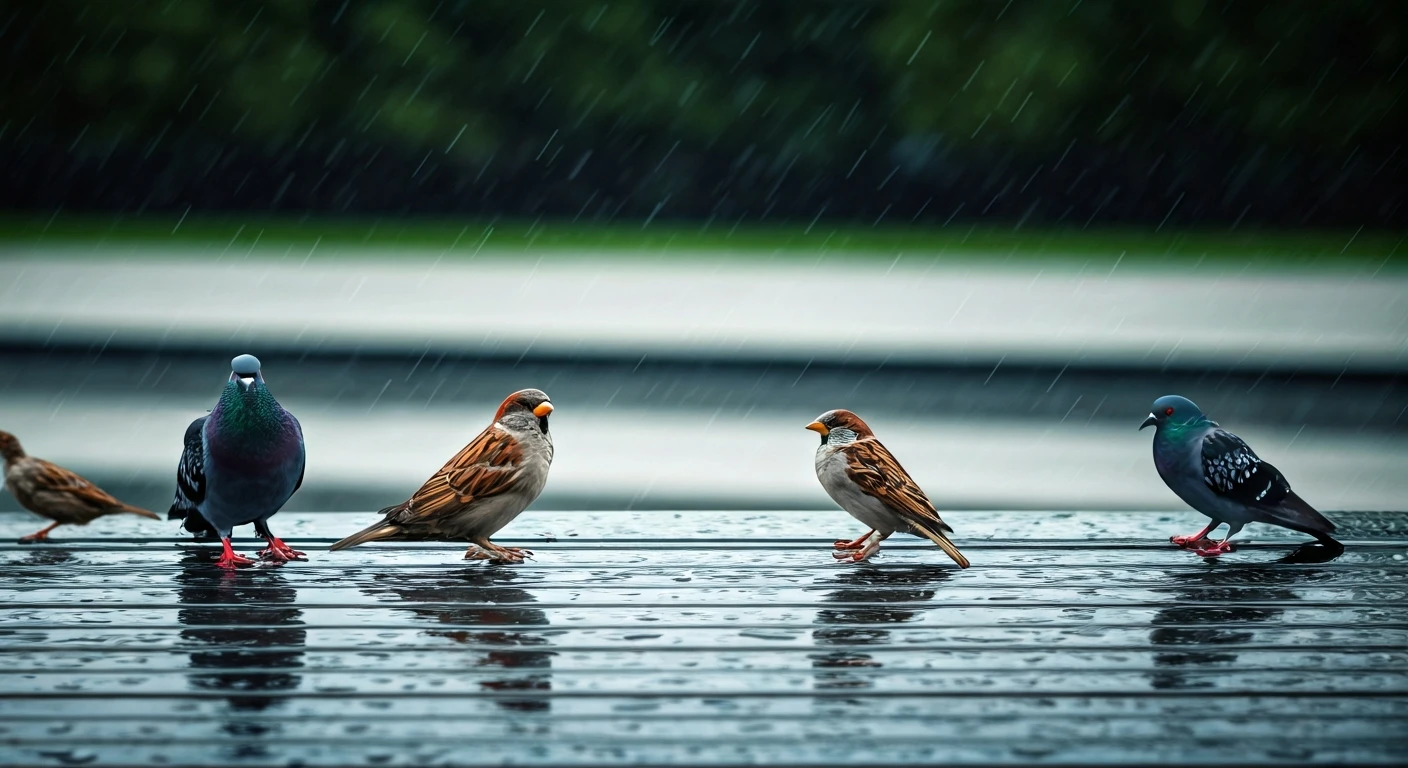
Fresh rainwater provides more than just a drink. You'll often see birds like sparrows and pigeons enthusiastically splashing in newly formed puddles. This isn't just play; it's essential maintenance. Bathing helps birds clean their feathers, removing dirt and parasites. Keeping feathers in pristine condition is crucial for insulation and flight. After a good splash, birds will find a perch to preen, carefully rearranging their feathers and spreading protective oils from a gland at the base of their tail. These temporary, glittering puddles offer a perfect, convenient spot for this important grooming ritual, turning a mundane patch of asphalt into a miniature avian spa.
A Moment of Urban Stillness
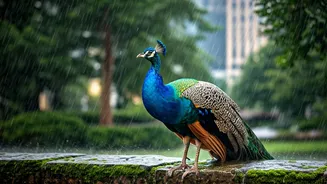
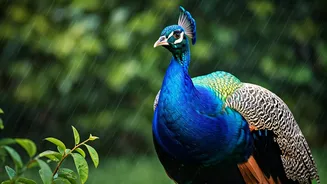
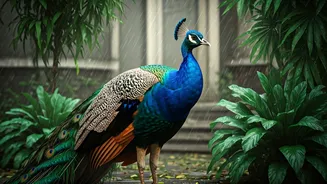
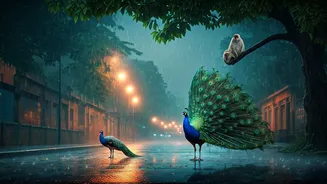
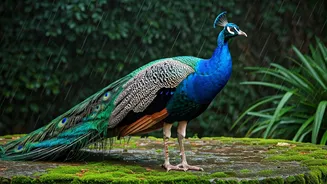
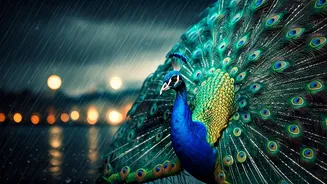
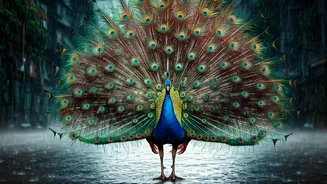
While the birds' behaviour is driven by ancient instincts, our growing attention to it is a more recent phenomenon. Why are we noticing it more? Part of the answer lies in the contrast the rain creates. The downpour forces a pause in the city's relentless rhythm, and in that quiet, our senses are heightened. We are simply more likely to hear the birdsong when it isn't competing with honking and construction. But it's also a cultural shift. Across India, there is a burgeoning interest in local wildlife and citizen science. Initiatives like BirdCount India and local bird-watching groups have seen a surge in participation, with thousands of people now documenting the birds in their own backyards and neighbourhoods. When peacocks recently appeared on a busy Mumbai road after monsoon rains, the videos went viral, showing a collective delight in these unexpected urban nature encounters. We are, it seems, learning to look up from our screens and appreciate the small, wild dramas unfolding around us.