


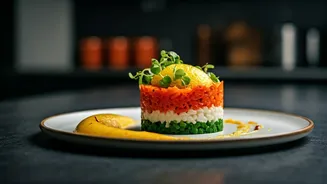


What Exactly Is A Jalebi Waffle?
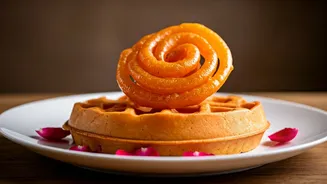
At its heart, the concept is beautifully simple yet endlessly creative. It’s not one single recipe but a burgeoning category of dessert-meets-breakfast. The most common iteration features a classic, crisp-on-the-outside, fluffy-on-the-inside Belgian waffle
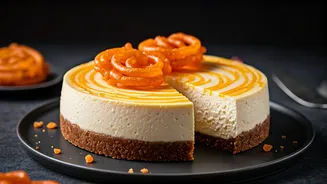
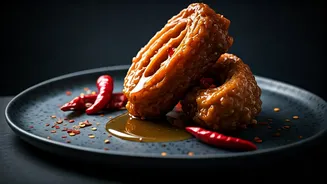
acting as a canvas. This neutral base is then topped with tiny, freshly fried jalebis, a generous drizzle of thickened rabri, and often a sprinkle of pistachios or almonds for texture and colour. Some inventive chefs infuse the waffle batter itself with saffron and cardamom to echo the flavours of the sweet, while others deconstruct the jalebi, turning its syrupy essence into a sauce. The result is a perfect symphony of textures and temperatures: the warm, soft waffle, the crispy-chewy jalebi, and the cool, creamy rabri.
A Perfect Marriage of Flavours
The magic of the Jalebi Waffle lies in its brilliant balancing act. The humble waffle, a staple of Western breakfast, is comforting but can be plain. The jalebi, a beloved Indian sweet, is an explosion of sugary, fermented tanginess that can sometimes be overwhelmingly sweet on its own. Together, they moderate each other. The waffle’s airy pockets eagerly soak up the rabri and stray syrup, while its savoury undertones cut through the intense sweetness of the jalebi. It’s a dish that plays with contrasts: crispy and soft, hot and cold, sweet and slightly savoury. This textural and flavourful complexity is what elevates it from a mere novelty to something genuinely crave-worthy, hitting all the right notes for a palate that appreciates both tradition and innovation.
More Than Just A Culinary Mash-Up
To dismiss the Jalebi Waffle as just another 'fusion' dish is to miss the point entirely. It represents a confident new wave in modern Indian cuisine. For years, 'fusion' was a term met with suspicion, often associated with confused, poorly executed dishes that respected neither culinary tradition. Today’s chefs, however, are approaching it with a deeper understanding and respect for ingredients. This isn't about forcing two things together; it's about asking, 'What if?' It’s about celebrating Indian flavours on a global stage, not by diluting them, but by presenting them in new, accessible forms. The Jalebi Waffle is a proud statement that Indian sweets aren’t just for festivals or street-side stalls; they can be the star of a trendy, cosmopolitan brunch.
From Street Food to Sunday Brunch
The journey of the jalebi from a beloved, ubiquitous street sweet to the headliner of an upscale café menu is significant. It reflects a larger shift in how urban Indians are engaging with their own culinary heritage. There's a growing appreciation for local ingredients and nostalgic flavours, but also a desire for new experiences. The brunch culture itself—a leisurely, social, and highly Instagrammable meal—provides the perfect setting for such an evolution. A plate of Jalebi Waffles is not just food; it's content. It’s photogenic, surprising, and tells a story, making it a natural fit for a generation that documents its life through what it eats. It transforms the familiar comfort of jalebi into a shared, weekend luxury.
The Trendsetters Behind the Dish
While it feels like a dish that has organically bubbled up on social media, its popularity has been fueled by pioneering chefs and restaurants across the country. Establishments like Farzi Café and The Bombay Canteen were early champions of reinterpreting Indian classics with modern techniques and presentations. They paved the way for smaller, independent cafes to experiment boldly. Now, you can find variations of the Jalebi Waffle in trendy brunch spots from Mumbai to Delhi and Bangalore. Each chef adds their own signature—some pair it with saffron-infused whipped cream, others add a hint of rosewater to the rabri. This collective creativity is what’s turning this dish from a one-off special into a bona fide menu staple and a symbol of India's dynamic food scene.