






The Allure and the Alarm
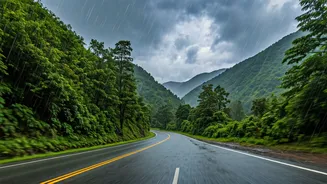
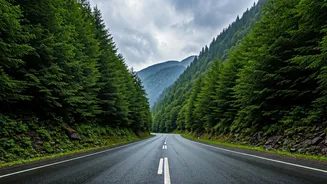
There’s nothing quite like a drive through the hills when the rain is washing everything clean and green. The air is fresh, the waterfalls are in full flow, and the clouds hang low over the valleys. It’s a magical experience. However, the same rains that
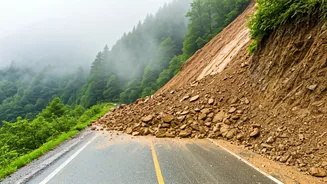
create this beauty also saturate the soil, leading to an increased risk of landslides, flash floods, and blocked roads. The promise of an ‘instantly’ safe road is unrealistic, as conditions in the mountains can change in minutes. The key isn't finding a mythical, permanently safe road, but learning how to make intelligent, informed decisions before and during your journey.
Your Pre-Trip Safety Checklist
A safe trip begins long before you turn the ignition key. The most critical step is diligent planning. Start by researching your destination's monsoon history. Some regions are notoriously prone to landslides (parts of Uttarakhand and Himachal Pradesh), while others might have better infrastructure. Look for routes that are designated as National Highways (NH), as they are generally wider, better maintained, and cleared more quickly by authorities like the Border Roads Organisation (BRO) and National Highways Authority of India (NHAI). Avoid planning trips on remote, unpaved, or lesser-known roads, no matter how tempting the shortcut seems. Finally, have a flexible itinerary. Be prepared to change your plans, delay your travel by a day, or even turn back if conditions are unsafe.
The Digital Toolkit for Real-Time Updates
Technology is your best friend for real-time information. While no app can guarantee safety, several can provide crucial, up-to-the-minute updates. 1. **Google Maps:** Beyond just navigation, use the 'Traffic' layer to spot massive jams, which often indicate a roadblock or accident ahead. The app is increasingly incorporating official road closure alerts. 2. **State Police Twitter/Facebook Pages:** Most state traffic police departments (like the Himachal, Uttarakhand, or Sikkim Police) are very active on social media during monsoons. They post regular updates on road blockages, diversions, and weather warnings. Following them is non-negotiable. 3. **Community-Based Forums:** Groups like the HVK Forum on Facebook have a massive network of travellers who post real-time updates and photos from the ground. You can ask for advice on a specific route and get replies from people who have just travelled it. 4. **Weather Apps:** Use reliable weather apps like AccuWeather or The Weather Channel to monitor forecasts, especially for warnings of 'heavy' or 'very heavy' rainfall in your planned area.
What Makes a Road 'Safer'?
Not all mountain roads are created equal. A 'safer' road in the monsoon typically has several key features. Firstly, good engineering is paramount. Look for roads with proper drainage systems, including culverts and side drains, that prevent water from accumulating and weakening the structure. Roads with retaining walls on the valley side and well-maintained slopes on the hill side are generally more stable. Wider roads are inherently safer as they provide more room to manoeuvre around small rockfalls or puddles. As a rule of thumb, major arteries connecting popular tourist towns (e.g., Chandigarh to Shimla, Mumbai to Lonavala) receive more attention and resources for maintenance and quick clearance compared to internal village-to-village roads.
On-the-Ground Intelligence
Once you are on your way, your eyes and ears are the most important safety tools. Always trust local knowledge. If a dhaba owner, a taxi driver, or a villager advises you against proceeding, listen to them. They have an innate understanding of the terrain and its dangers. Pay attention to the road itself. Are you seeing small pebbles or fresh mud on the tarmac? This can be a precursor to a larger landslide. Is the water in streams and rivers beside the road turning muddy and rising rapidly? This is a sign of a potential flash flood upstream. If you feel even slightly uncomfortable with the conditions, the safest decision is to stop at the nearest safe town or turn back. The mountains will always be there for your next trip.