


From Humble Staple to Superfood Star
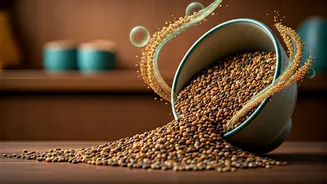
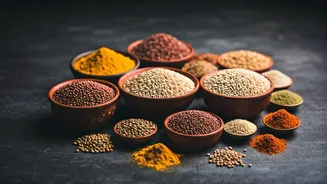
Not long ago, millets like bajra, ragi, and jowar were primarily seen as the diet of our grandparents or as a rural necessity. Today, they are the darlings of the wellness world and the centrepiece of innovative dishes in high-end restaurants and health-conscious
homes across India. The perception shift is dramatic. What was once ‘coarse grain’ is now a ‘superfood,’ and what was considered bland is now the base for exciting culinary creations. This revival isn’t just a fleeting fad; it’s a rediscovery of an ingredient that is deeply tied to our roots, now presented in a language that speaks to the modern palate. The UN’s declaration of 2023 as the International Year of Millets has only accelerated this trend, putting these ancient grains firmly in the global spotlight.
A Look Back: The Grains We Forgot
To appreciate the millet comeback, we must understand why they vanished in the first place. For centuries, millets were a staple across the Indian subcontinent, perfectly adapted to our climate. However, the Green Revolution in the 1960s changed everything. The focus shifted heavily towards high-yield crops like rice and wheat, which were supported by government policies, subsidies, and a public distribution system. Millets were gradually pushed to the sidelines, labelled ‘coarse grains’ or even ‘poor man’s food.’ As urban India’s prosperity grew, polished rice and refined wheat flour became aspirational, while nutrient-dense millets were left behind in the fields of marginal farmers. They never disappeared completely, but they lost their place at the mainstream dining table.
The Nutritional Powerhouse Returns
The resurgence of millets is strongly tied to the global wellness movement. As people become more aware of what they eat, the nutritional profile of millets is simply too good to ignore. They are naturally gluten-free, making them a fantastic alternative for those with celiac disease or gluten sensitivity. They are packed with fibre, which aids digestion and promotes a feeling of fullness, helping with weight management. Moreover, millets have a low glycemic index, meaning they release sugar into the bloodstream slowly, which is beneficial for managing blood sugar levels and is particularly important for a country with a high incidence of diabetes. They are also rich sources of essential minerals like iron, magnesium, and phosphorus. In a world searching for natural, unprocessed foods, millets tick all the right boxes.
The Flavour Revolution: Spices and Innovation
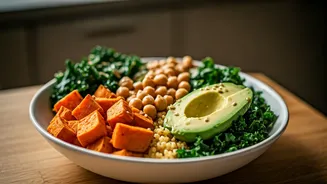
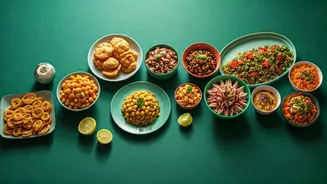
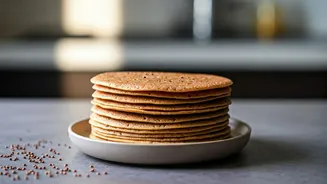
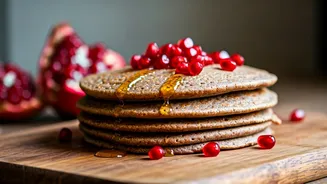
Health benefits alone are rarely enough to make a food trendy. The real game-changer for millets has been flavour. The bland, porridge-like preparations of the past are being replaced by vibrant, delicious, and exciting dishes. The key? Spices and modern cooking techniques. The neutral, slightly nutty taste of millets makes them a perfect canvas for India’s diverse masalas. Chefs and home cooks are experimenting with millet biryanis, using foxtail or little millet instead of rice, which soaks up the aromatic spices beautifully. Ragi (finger millet) is no longer just for rotis; it’s being used to make crispy tacos, savory pancakes, and even chocolate cakes. Jowar (sorghum) is being puffed like popcorn for a healthy snack or used as a base for gluten-free pizzas. By treating millets as a versatile ingredient rather than a boring substitute, we’ve unlocked their true culinary potential.
A Sustainable and Smart Choice
The appeal of millets extends beyond the plate. In an era of climate change and water scarcity, they are a profoundly sustainable choice. Known as ‘miracle grains,’ millets are hardy crops that can grow in arid conditions with minimal water, making them ideal for India's diverse agro-climatic zones. They require fewer pesticides and fertilisers than rice and wheat, which is better for the soil and the environment. Supporting millet cultivation also empowers small and marginal farmers who have traditionally grown these crops. By choosing millets, consumers are not only making a healthy choice for themselves but also a responsible one for the planet and for the agricultural community. It’s a rare win-win situation where tradition, health, and sustainability align perfectly.