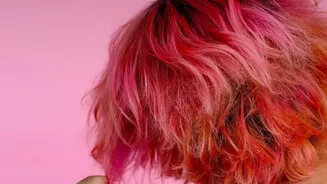







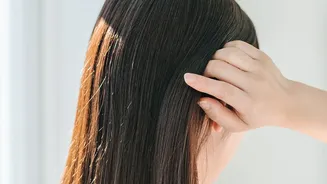
You’ve just left the salon with fresh, vibrant hair colour, feeling fantastic. But within weeks, you notice the shade has faded, turned brassy, or feels dry. The culprit might not be your shampoo, but the water from your tap and the pool.
Why Chlorine is Your Enemy
Chlorine is essential
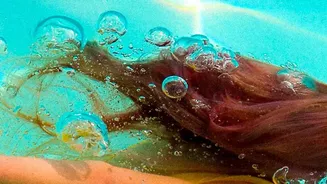
for keeping pools sanitary, but it's a major adversary for color-treated hair. The chemical is a powerful oxidizing agent that strips your hair of its natural protective oils, leaving it dry and brittle. For colored hair, which is already more porous from the dyeing process, this is a double blow. The chlorine lifts the hair's outer layer, or cuticle, allowing the artificial pigment molecules to leach out, leading to rapid fading. This effect is especially noticeable with red shades, which have larger molecules and fade faster. For those with blonde or lightened hair, chlorine can react with copper and other metals in the water, causing an unwelcome greenish tint. This isn't the chlorine itself staining the hair, but a chemical reaction that deposits oxidized metals onto the vulnerable strands.
The Hidden Damage of Hard Water
The water in your own home can also be a source of hair color woes if it's 'hard'. Hard water has a high concentration of dissolved minerals, primarily calcium and magnesium. With every wash, these minerals create a film on the hair shaft. This buildup prevents moisture from penetrating the hair, leading to dryness, dullness, and a rough texture. For color-treated hair, this mineral layer acts as a barrier that not only dulls shine but can also cause your color to fade more quickly or take on brassy tones from iron deposits. It can even interfere with how well your shampoos and conditioners work, leaving your hair feeling heavy or unclean even after a fresh wash.
Before You Get Wet: A Protective Barrier
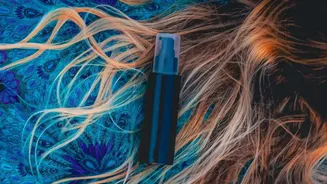
The best defense is a good offense. Before you even step into a pool or shower, you can take steps to shield your hair. A simple yet highly effective trick is to thoroughly wet your hair with clean, non-chlorinated water. Like a sponge that's already saturated, your hair will absorb less of the damaging pool or hard water. For an extra layer of protection before a swim, apply a leave-in conditioner or a hair oil. This creates a physical barrier that helps block chlorine and minerals. If you're a frequent swimmer, wearing a well-fitted silicone swim cap is the most effective way to minimize contact with chlorinated water.
The Post-Exposure Rescue Routine
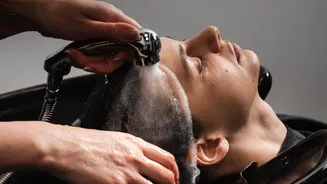
What you do immediately after exposure is just as important. As soon as you're out of the pool, rinse your hair thoroughly with fresh water to wash away as much chlorine residue as possible before it dries. For your regular washes, especially if you live in a hard-water area, incorporating a specialized shampoo is key. A clarifying shampoo is designed for a deep clean to remove product buildup, oil, and chlorine. For mineral buildup from hard water, a chelating shampoo is even better. These formulas contain ingredients that bind to mineral ions and strip them away. However, these are powerful cleansers and should only be used periodically—perhaps once a week or a couple of times a month—to avoid overly stripping the hair.
Long-Term Habits for Lasting Vibrancy
To protect your color long-term, consistency is key. At home, consider installing a showerhead filter, which can significantly reduce the amount of minerals and chlorine in your water. When you wash your hair, use lukewarm or cool water, as hot water opens the hair cuticle and allows color to escape more easily. Always use sulfate-free shampoos and conditioners specifically designed for color-treated hair; sulfates can strip both moisture and color. Finally, restore the moisture that both coloring and environmental exposure can deplete. Regular deep conditioning treatments or hair masks will help to smooth the cuticle, lock in moisture, and keep your hair looking shiny and your color vibrant.